
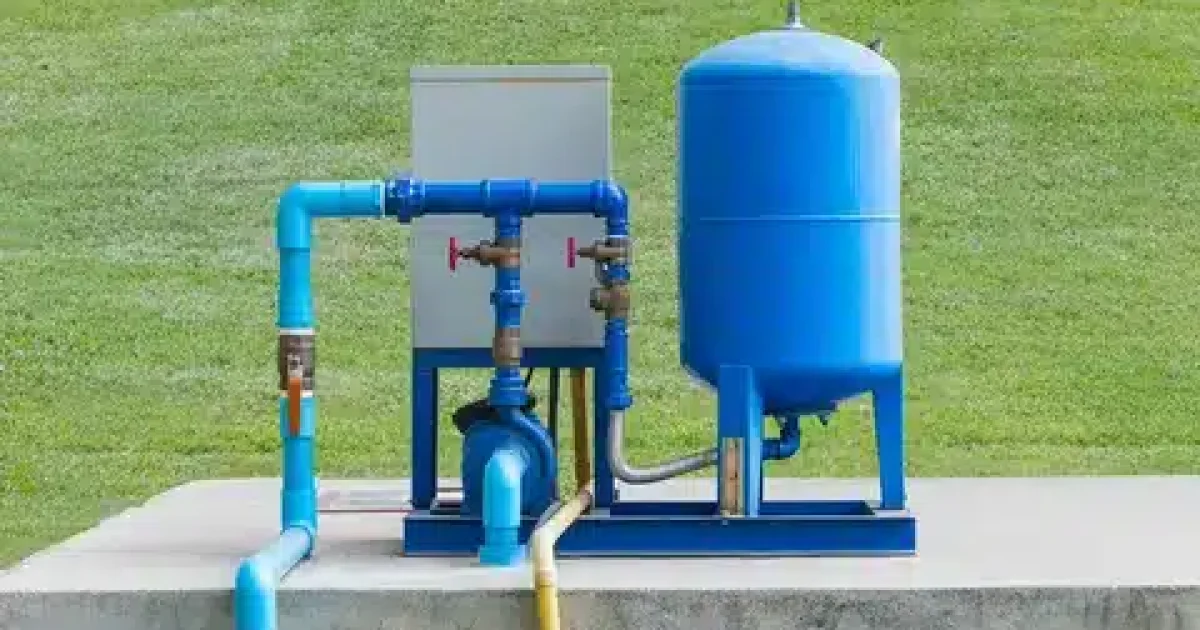
Installing a water tank can be a practical way to collect rainwater, increase water storage, or support the needs of a home, farm, business or development.
But choosing a tank is only one part of the process. The site needs to be suitable, the tank base needs to provide stable support, connections need to be planned correctly, and the installation needs to suit how the water will actually be used.
If you’re researching water tank installation NZ options, one of the first questions you’re likely to have is, ‘How much will it cost, and what does the installation involve?’
The answer depends on the tank size, site conditions, base requirements, plumbing, access, and the type of installation required.
This guide explains the main things to consider before installing a water tank, including costs, site preparation, tank bases and what to expect from a professional installation.
A water tank installation is more than simply delivering a tank and putting it on the ground.
A typical project can involve:
The exact process depends on whether the tank is being installed for household water supply, rainwater collection, irrigation, rural use, commercial storage or wastewater applications.
For this reason, getting the site assessed before ordering a tank can help avoid expensive changes later.
The water tank installation cost can vary significantly from one project to another.
There isn’t a single price that applies to every installation because the total cost can include several separate components.
Some of the main factors include:
A straightforward installation on an easily accessible, prepared site will generally involve fewer additional requirements than a project involving difficult access, excavation or extensive plumbing.
It’s useful to separate the cost of the tank itself from the cost of installing it.
A quote may include some or all of the following:
| Cost component | What it may cover |
|---|---|
| Water tank | The tank itself |
| Delivery | Transport to the property |
| Site preparation | Ground preparation or earthworks |
| Tank base | Preparing or constructing the support surface |
| Installation | Positioning and securing the tank |
| Plumbing | Inlet, outlet and overflow connections |
| Pump | Pump and associated installation where required |
| Electrical | Electrical work for pump systems where required |
When comparing quotes, check what is actually included rather than comparing the tank price alone.
The right tank depends on what you intend to use the stored water for.
A homeowner collecting rainwater may have different requirements from a rural property storing water for stock, irrigation or other purposes.
Common applications include:
Rainwater tanks can collect water from a roof and store it for later use.
Depending on the system and local requirements, collected rainwater may be used for purposes such as garden watering, toilet flushing, laundry or other suitable household applications.
If you’re considering using stored rainwater as potable water, the system needs to be designed and maintained appropriately for that purpose.
Rural properties may require larger storage capacity because water demand can be higher and properties can be further from mains infrastructure.
Tank size should be considered alongside rainfall patterns, roof catchment, expected usage and available backup water sources.
A smaller tank can provide useful storage for gardens and landscaping.
Collecting rainwater can also reduce reliance on mains water for suitable outdoor uses.
Businesses may need tanks for a range of purposes, including water storage, site operations, irrigation or other specific requirements.
Commercial installations can have additional site, access, plumbing and compliance considerations.
Some properties may require tanks for wastewater or other non-potable applications.
These systems should be designed for their specific purpose rather than treating a wastewater tank installation the same way as a rainwater collection system.
One of the most important parts of any installation is the tank base.
A water tank can hold thousands of litres of water, so the supporting surface needs to be stable and suitable for the tank.
A poorly prepared base can create problems such as:
The base should be appropriate for the tank and the ground conditions at the site.
Depending on the tank, site and manufacturer’s requirements, possible base options may include:
The correct choice depends on the tank specifications and site conditions.
Don’t assume that every tank can be installed on the same type of base.
Good site preparation can make the installation process smoother and help protect the tank over its service life.
Before installation, consider:
The ground should be stable and capable of supporting the loaded tank.
Remember that water is heavy. A tank that appears relatively small when empty can place a substantial load on the ground when full.
The area should be assessed for water movement and drainage.
Standing water around the tank base can contribute to ground instability and other problems.
The tank needs to be delivered to the property and positioned safely.
Think about:
Limited access can affect both delivery and installation requirements.
The best location depends on the property and how the tank will be connected.
Consider placing the tank where it can:
It’s also worth considering future access.
A tank that is easy to reach during installation but difficult to inspect or clean later can become inconvenient.
A typical rainwater tank installer will assess the site and determine how the tank should be positioned and connected.
The process may look something like this:
The installer reviews the proposed location, access, ground conditions and connection points.
The required capacity and tank type are considered based on the property’s needs.
The site is prepared, and a suitable tank base is installed or constructed.
The tank is delivered and positioned on the prepared base.
Inlet, outlet and overflow connections are installed according to the system design.
Where required, a pump and associated equipment are installed.
The system is checked to make sure connections and components are operating as intended.
DIY installation may be possible for some smaller and straightforward systems, particularly where the site is already properly prepared.
However, the difficulty increases with:
The tank manufacturer’s installation requirements should always be followed.
If you’re unsure about the base, plumbing or site conditions, getting professional advice before installation can prevent costly mistakes.
A little planning can prevent many avoidable problems.
A tank may look suitable on paper but prove difficult to deliver or install at the intended location.
The tank base needs to be designed around the tank and site, not treated as an afterthought.
Delivery and positioning can become difficult if access hasn’t been considered in advance.
Rainwater entering a full tank needs somewhere to go.
Overflow arrangements should be planned as part of the overall installation.
A low-cost tank may not provide enough storage for the property’s actual requirements.
Consider water demand, collection area and intended use before deciding on capacity.
The tank is only one part of the project.
Delivery, base preparation, plumbing, pumps and other installation requirements can all affect the final cost.
When comparing a rainwater tank installer, don’t look only at the cheapest quote.
Consider whether the installer can help with the complete project, including:
Ask for a clear breakdown of what is included in the quote.
This makes it easier to compare different proposals and reduces the risk of unexpected costs later.
Before committing to an installation, ask:
The answers will depend on your property and intended use, so a site-specific assessment is often more useful than relying on a generic installation estimate.
Different properties have different water-storage requirements.
Homeowners may install tanks to collect rainwater, supplement household water supplies or provide water for gardens and outdoor use.
Construction and development projects may require careful planning around water storage, drainage, access and existing services.
Farms and rural properties may require larger storage capacity and practical access for maintenance and future replacement.
Commercial properties may need water storage for operational, irrigation or site-specific requirements.
DIY customers may be able to handle parts of a smaller installation, but the tank manufacturer’s specifications, site conditions and any applicable requirements should be considered before starting work.
A water tank can be a long-term investment, so getting the planning right before installation is worthwhile.
A professional assessment can help identify issues with:
Fixing a poor installation after the tank is full can be considerably more difficult than solving the problem during the planning stage.
If you’re planning a new rainwater, water-storage or wastewater tank, the first step is to understand what your property actually needs.
The right tank size, suitable tank base, practical location and correctly planned connections can make the installation much easier and help avoid unnecessary costs.
Whether you’re a homeowner, builder, developer, rural property owner or business, a professional rainwater tank installer can help you plan the installation around your site and intended use.
[Request a Water Tank Installation Quote →]
Have questions about your site, tank base or installation requirements?
[Contact our team →]
A successful water tank installation NZ project starts well before the tank arrives.
Choosing the right capacity, preparing a suitable tank base, planning access and drainage, and making sure the plumbing and overflow arrangements are appropriate can all make a significant difference.
Whether you’re collecting rainwater at home, adding storage to a rural property, planning a development or installing a tank for a business, taking the time to plan the system properly can help avoid unnecessary costs and installation problems.
If you’re ready to discuss your requirements, contact our team for a water tank installation quote
The total cost depends on the tank, size, delivery, site preparation, tank base, plumbing, pumps and other installation requirements. A site-specific quote is the best way to determine the actual project cost.
The appropriate base depends on the tank manufacturer’s requirements, tank size and site conditions. Common options can include properly prepared aggregate or concrete, but the correct solution should be confirmed for the specific tank.
A tank generally needs a properly prepared and stable supporting surface rather than simply being placed on untreated soil. The manufacturer’s installation requirements should be followed.
Water tank installation time varies depending on the tank size, access, site preparation, base requirements and plumbing. A straightforward prepared site can be much quicker than a project requiring earthworks or additional infrastructure.