
Water storage tanks provide a practical way to collect, store and manage water for homes, farms, commercial buildings and lifestyle properties. They can support garden irrigation, livestock watering, outdoor cleaning, emergency preparedness and selected household uses when the system is designed correctly.
However, choosing a tank involves more than comparing prices and capacities. The available space, water source, intended use, tank material, installation area, pump requirements and maintenance plan can all affect the long-term performance of the system.
This Water Storage Tanks NZ guide explains the main tank options, how to select an appropriate size and what to consider before installation. It will help you compare products with greater confidence and avoid common problems that can increase costs later.
A Water Storage Tanks allows water to be stored when it is available and used when it is needed. Depending on the system, this water may come from roof runoff, a bore, a spring, a water delivery service or another approved source.
For many New Zealand properties, tanks are used to reduce reliance on mains water or provide storage where a reticulated supply is limited or unavailable.
One of the most common uses for a storage tank is collecting water from roofs. Gutters and downpipes direct rainfall into the tank, where it can be stored for later use.
A well-planned rainwater collection system may provide water for:
The treatment requirements depend on how the water will be used. Water intended for drinking requires appropriate filtration, treatment, testing and ongoing maintenance.
A storage tank can provide an additional water source during periods of high demand or reduced supply. This may be particularly useful for rural homes, farms and lifestyle properties.
The level of independence depends on tank capacity, rainfall, catchment area and daily consumption. A large tank will not provide reliable supply if the property uses more water than it collects.
Stored water can help property owners plan water use more effectively. Instead of using treated mains water for every task, harvested water may be used for suitable outdoor or non-potable purposes.
Modern water conservation systems can also include pumps, filters, level indicators and automated mains-water backup controls.
Water storage tanks are available in a wide range of shapes, materials and capacities. The best choice depends on the installation site and how the water will be used.
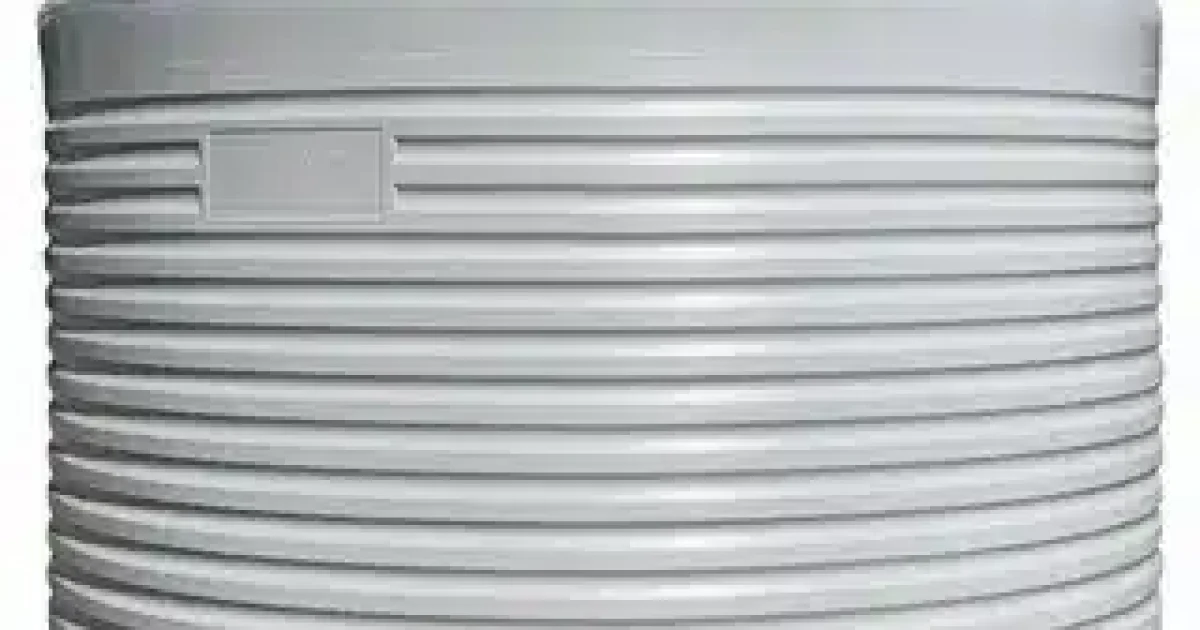
Round tanks are widely used because their shape provides strong structural support and efficient storage capacity. They are often suitable for rural properties, farms, commercial sites and larger residential sections.
Round Water Storage Tanks are available in small, medium and large capacities. However, they require more ground space than narrow or modular alternatives.
Before ordering a round tank, measure:
Delivery access is often overlooked. A tank may fit in the planned position but still be too large to move through the property.
Slimline tanks are designed for narrow spaces beside walls, fences, sheds and garages. They are popular on urban properties where outdoor space is limited.
Slimline water tanks NZ can provide useful storage without taking up a large portion of the garden. They may be positioned close to a downpipe, which can simplify rainwater connections.
A slimline tank may be a good option when:
Slimline tanks still require a level and stable base. Clearance should also be provided for inspection, plumbing and maintenance.
Underground tanks store water below ground level, allowing the area above or around the system to remain available for landscaping or other approved uses.
Underground water tanks are often considered during new builds, major renovations and large landscaping projects. They can provide substantial storage without changing the visible appearance of a property.
However, underground systems usually involve higher installation costs because they may require:
The water storage tanks must be specifically designed for underground use. Standard above-ground tanks should not be buried unless the manufacturer confirms they are suitable.
Modular systems use multiple tanks connected together. They may be useful where access is restricted or storage needs are likely to increase over time.
A modular water tank system can allow property owners to begin with a smaller capacity and add more storage later. The connecting pipework must be designed carefully so the tanks fill and empty correctly.
Above-ground tanks are generally easier to inspect and maintain than underground models. They can be installed beside homes, sheds, workshops and agricultural buildings.
Above-ground water tanks may also be less expensive to install because extensive excavation is not usually required.
Their main disadvantage is the amount of visible space they occupy. Choosing an appropriate size, shape and colour can help the tank fit more naturally into the property.
Selecting the correct capacity is one of the most important parts of buying a water tank.
A tank that is too small may overflow regularly during wet weather and empty quickly during dry conditions. A tank that is unnecessarily large may cost more without providing additional value.
Start by listing the planned uses for the stored water.
Smaller tanks may be suitable for watering vegetable gardens, small lawns, pots and landscaped areas. The required capacity will depend on garden size and how frequently watering is needed.
A larger system may be required when rainwater is used for toilet flushing, laundry or multiple outdoor outlets.
These systems may require a pump, filters, backflow protection and professional plumbing. Rainwater and mains-water pipework must be managed correctly.
Farms and lifestyle properties may need water for livestock, crop irrigation, sheds and general maintenance.
Agricultural demand can vary significantly throughout the year, so capacity should be based on expected peak use rather than average consumption alone.
For rainwater systems, collection potential depends largely on the roof area connected to the tank and the amount of rainfall received.
Other factors include:
A professional supplier or installer can help estimate the relationship between roof catchment, water use and storage volume.
Water demand may be highest when rainfall is lowest. Gardens need more water during dry weather, while the tank receives less frequent refilling.
When comparing large water storage tanks, consider how many days or weeks of supply may be required during reduced rainfall.
Tank material affects durability, weight, price and installation requirements.
Polyethylene tanks are widely used for residential, rural and agricultural applications. They are relatively lightweight, available in many shapes and sizes and resistant to corrosion.
A quality poly water tank should be designed for its intended use and installed according to the manufacturer’s instructions.
For drinking-water applications, confirm that the tank and its fittings are suitable for potable water storage.
Concrete tanks are often used where large storage capacity, underground installation or thermal stability is required.
They are heavy and generally require specialist delivery and installation. The site must be accessible to suitable equipment, and the foundation must be properly prepared.
Steel tanks may suit agricultural, commercial or large-scale applications. They can offer substantial capacity and may be available with protective liners or coatings.
The suitability of a steel water tank depends on the stored water, local environment and maintenance requirements.
Correct installation protects the tank and helps the complete system operate safely and efficiently.
Professional tank installation NZ services may include site assessment, foundation preparation, delivery planning, pipework, pump installation and final testing.
A Water Storage Tanks becomes extremely heavy when full. One litre of water weighs approximately one kilogram, so even a modest tank creates a significant load.
The base should be:
Possible base types include reinforced concrete or properly compacted material, depending on the tank design and site conditions.
An uneven or unstable foundation may cause the tank to lean, settle or place stress on its walls and fittings. Damage caused by an unsuitable base may also affect warranty coverage.
Before purchasing, confirm that the tank can be transported to its final position.
Look for possible obstacles such as:
Discuss access with the supplier before delivery day. In some cases, lifting equipment may be required.
The Water Storage Tanks should be close enough to the collection area to avoid unnecessary pipework, but it should not block access or create drainage problems.
Allow room for:
The installation should also direct overflow away from building foundations and areas where water could cause erosion or flooding.
A complete storage system normally includes more than the tank itself.
Gutters and downpipes move water from the roof to the tank. They should be clean, correctly sized and in good condition.
Leaf guards can reduce the amount of large debris entering the system, but regular gutter maintenance is still necessary.
A first-flush diverter redirects the initial roof runoff, which may contain dust, leaves, animal droppings and other contaminants.
The device should be cleaned and checked regularly to ensure it continues to work properly.
An inlet screen helps prevent leaves, insects and debris from entering the tank. The screen must fit securely and remain accessible for cleaning.
The overflow allows excess water to leave the tank once it is full. It should be adequately sized and directed towards a suitable discharge point.
Poor overflow design can cause:
Some tanks rely on gravity, while others require a pump.
Water tank pumps may be necessary for garden irrigation, household connections or outlets that require consistent pressure.
Pump selection should consider:
An incorrectly sized pump may provide poor pressure, use unnecessary power or cycle too frequently.
Regular maintenance can extend the life of the tank and improve water quality.
Clean gutters, leaf guards and inlet screens regularly. Properties surrounded by trees may require more frequent attention.
Look for leaks, loose connections, blocked pipes and signs of movement around the tank base.
Small leaks should be repaired early before they damage the foundation or reduce the stored water supply.
Over time, fine sediment may collect at the bottom of the tank. The amount will depend on the roof, surrounding environment and effectiveness of the screening system.
Professional water tank cleaning may be required when excessive sediment, unpleasant odours or contamination is present.
Follow the manufacturer’s instructions for servicing pumps, filters and treatment systems. Filters should be cleaned or replaced at recommended intervals.
Choosing a tank based only on price is a common mistake. The cheapest product may not offer the right capacity, shape, fittings, or warranty for the property.
Other mistakes include:
A complete system should be planned before the tank is ordered.
A reliable water tank supplier NZ should provide clear information about capacity, dimensions, materials, installation requirements and warranty conditions.
Ask the supplier about:
A knowledgeable supplier should recommend a tank based on the property and intended use rather than simply suggesting the largest available model.
The best water storage tank system is one that matches the property’s water demand, available space, catchment potential, and long-term plans.
Start by deciding how the water will be used. Then compare tank types, calculate a suitable capacity and inspect the installation area. Remember to account for the foundation, delivery access, overflow, pumps, filters and future maintenance.
Whether you choose a round, slimline, modular or underground system, careful planning is essential. A correctly selected and professionally installed tank can provide dependable water storage for a home, farm, business or lifestyle property for many years.