
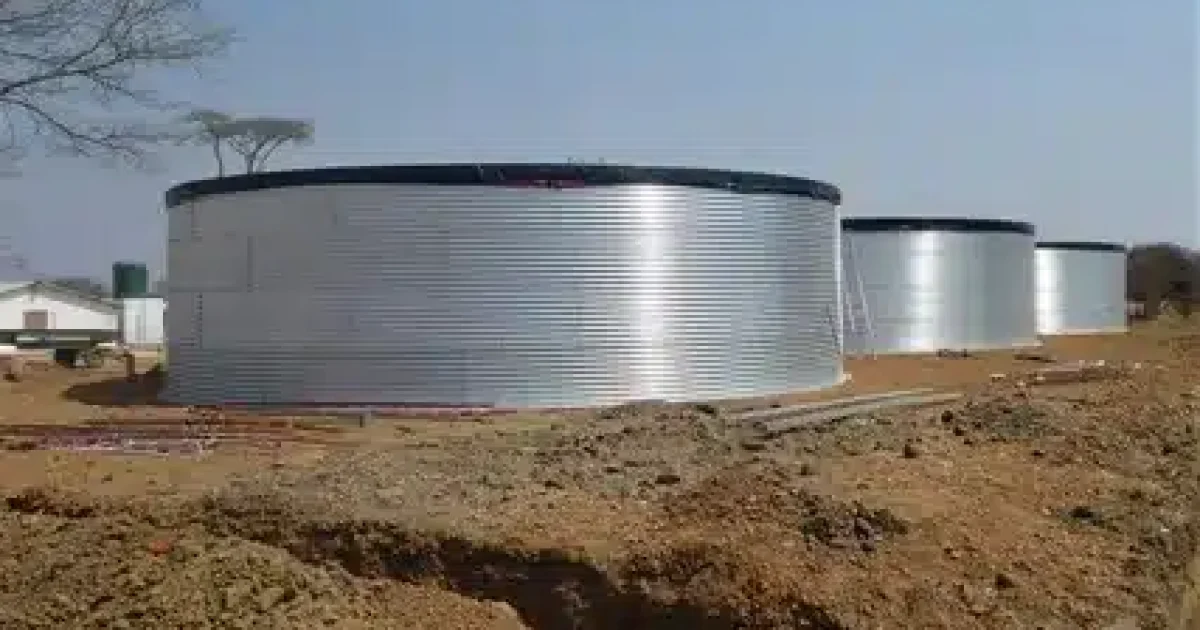
If you are looking for reliable water storage solutions NZ, the right choice depends on much more than simply buying the biggest tank you can fit on your property. Your water source, daily usage, location, available space and the way you plan to use the stored water all need to be considered before deciding on a system.
Across New Zealand, water storage is important for homes, lifestyle blocks, farms and commercial properties. Some households rely entirely on collected rainwater, while others use storage tanks as a backup supply or for gardens, irrigation and livestock. Rural properties may need large-capacity systems that can provide water through extended dry periods, whereas urban properties may need compact tanks that fit into limited spaces.
The best water storage system is one that matches the way your property actually uses water. This guide looks at the main options available in New Zealand and explains what to consider before investing in a water storage solution.
Having access to a reliable water supply is something many property owners do not think about until there is a shortage, a dry spell or an interruption to their normal supply. A properly planned Water Storage Solutions NZ system can provide greater flexibility and help reduce dependence on a single water source.
Water tanks are commonly used throughout New Zealand for household supply, rainwater harvesting, garden irrigation, farming operations and emergency water storage. On rural properties, they can form an essential part of everyday infrastructure, especially where there is no connection to a municipal water network. Water Storage Solutions NZ.
The requirements can vary significantly from one property to another. A small household may only need supplementary storage for outdoor use, while a family living on a rural property may depend on rainwater tanks for all of their domestic water. Farms and commercial sites can have even greater requirements because water demand may change depending on livestock numbers, production activities or seasonal conditions.
For this reason, choosing a water tank should be treated as part of a wider water management plan rather than a simple standalone purchase.
There are several types of water storage systems available, and each one suits different property layouts and requirements.
Above-ground tanks are one of the most common choices for residential and rural properties in New Zealand. They are generally positioned near a house, shed or other structure where rainwater can be collected from the roof and directed into the tank.
One of the main advantages of an above-ground system is accessibility. The tank and fittings are easier to inspect, and maintenance can usually be carried out without excavation. They are also available in a wide range of capacities, making them suitable for everything from small garden systems through to large rural water storage projects.
The installation site is still important. A water tank needs a properly prepared and level base that can support its full weight. Delivery access should also be considered before ordering, particularly when purchasing a large tank for a rural property.
Underground water tanks can be a practical option where above-ground space is limited or where property owners want to keep water storage out of sight.
They can work well for urban homes, commercial developments and landscaped properties where a large visible tank would not be practical. However, underground installations require more planning because excavation, drainage, groundwater conditions and structural requirements can all affect the project.
It is important to use a tank that has been designed specifically for underground installation. Standard above-ground tanks are not automatically suitable for burial, and choosing the wrong product can create significant problems later water storage solutions NZ.
Slimline tanks are designed for properties where space is restricted. Instead of using a large circular footprint, they have a narrow shape that allows them to fit alongside houses, garages and boundary areas.
They are particularly useful in urban environments where homeowners want to collect rainwater but do not have enough space for a large traditional tank water storage solutions NZ.
While their capacity may be lower than larger round tanks, slimline water tanks can still provide valuable storage for garden irrigation, washing, toilet supply or other non-potable applications, depending on the system design.
Rural and agricultural properties often require significantly more storage than a typical residential home.
Water may be needed for household use, livestock, irrigation, cleaning or other farm operations. Demand can also change throughout the year, which makes storage planning especially important.
Large tanks can be installed individually or connected together to create a larger overall storage capacity. Multiple-tank systems can be useful where a property may expand in the future or where access makes the installation of one very large tank difficult.
Choosing the right tank size is one of the most important parts of planning a water storage system water storage solutions NZ.
A tank that is too small may leave you short of water during dry periods, while an unnecessarily oversized system can increase installation costs and take up valuable space.
The first step is to understand how much water your property uses water storage solutions NZ.
For a household, this may include water used for showers, toilets, laundry, cooking, cleaning and outdoor activities. A rural property may also need water for gardens, animals or additional accommodation.
When planning farm water storage, the calculation can become more complex because water demand may depend on livestock numbers, irrigation requirements and operational activities.
Rather than looking only at average daily use, it is also worth considering peak demand and how long you want your stored water to last if there is little or no incoming supply.
For example, a property that relies entirely on rainwater needs enough storage to manage periods when rainfall is low. A property with access to another reliable supply may only require a smaller backup tank.
The right capacity depends on the individual property, which is why a simple one-size-fits-all answer is rarely useful water storage solutions NZ.
Rainwater harvesting is one of the main reasons people invest in water storage solutions in NZ.
A typical system collects rainwater from a roof and directs it through gutters and downpipes into a storage tank. Depending on how the water will be used, the system may also include screens, filters, pumps and treatment equipment.
The amount of water that can be collected depends on the size of the roof, the amount and timing of rainfall, the design of the collection system and the capacity of the tank water storage solutions NZ.
One important point is that annual rainfall alone does not determine whether a system will provide enough water. The timing of rainfall matters just as much.
A property may receive a reasonable amount of rainfall over the course of a year but still experience extended periods where little water enters the tank. This is why storage capacity and water usage need to be considered together.
A large roof can collect substantial amounts of water during heavy rainfall, but if the tank is already full, excess water will simply overflow. On the other hand, a large storage tank may provide valuable reserves during dry periods.
The aim is to create a balanced system where collection capacity, storage volume and water demand work together.
Water storage tanks are available in several materials, and the best choice depends on the intended use, location and scale of the project.
Polyethylene tanks are commonly used for residential and rural water storage. They are available in many sizes and are often chosen because they are practical for a wide range of applications.
They can be used for rainwater collection and general water storage, provided they are installed correctly and used according to the manufacturer’s recommendations.
The base preparation is particularly important. A full tank places considerable weight on the ground, so the supporting surface must be level and stable.
Steel tanks can be suitable for larger storage requirements and may be used in agricultural or commercial applications.
Depending on the system, the tank may require a protective lining or other corrosion management measures. Installation and maintenance requirements should be considered carefully, especially when selecting a large-capacity system.
Steel water tanks can offer substantial storage capacity, but the best option will depend on site conditions and the type of water being stored.
Concrete tanks are sometimes used for permanent or underground water storage applications.
They can provide significant capacity and durability, although installation can be more involved than with many above-ground tank systems. Transport, excavation and site preparation may all need to be considered.
For many rural homes and lifestyle blocks, water storage is an essential part of daily life.
Properties without access to a municipal supply may rely on rainwater collected from roofs, private water sources or delivered water. This makes reliable storage particularly important.
A rural water system should ideally be planned around both normal usage and unexpected situations. It is useful to consider what would happen if rainfall was lower than expected, a pump failed or another water source became temporarily unavailable water storage solutions NZ.
Some properties benefit from using more than one water source, particularly when household water requirements are different from irrigation or livestock needs.
For example, a property may use high-quality treated water for household purposes while maintaining separate storage for stock or irrigation.
Keeping different water uses clearly managed can make the overall system easier to operate and maintain.
Farm water storage often requires a broader approach because demand can vary significantly throughout the year.
Livestock water requirements, irrigation and operational needs may all place pressure on the system, particularly during periods of dry weather.
Before choosing a farm water tank, it is worth considering the highest expected demand rather than only looking at average usage.
Questions that can help with planning include water storage solutions NZ:
A large tank alone does not guarantee a reliable water system. Pumps, pipes, pressure management and distribution infrastructure also need to be capable of handling the required volume.
For larger agricultural properties, professional planning can help ensure that all parts of the system work effectively together.
The location of a water tank can affect installation costs, maintenance and overall system performance.
Ideally, the tank should be placed on stable ground with appropriate access for installation and future servicing. The location should also make sense in relation to roof catchments, pumps and plumbing routes.
Other factors to think about include overflow drainage, nearby structures and future development plans for the property.
A common mistake is choosing a location based only on where the tank will be least visible. While appearance can matter, the practical requirements of the system should come first.
A water tanks should be supported by a properly prepared base that meets the manufacturer’s installation requirements for water storage solutions NZ.
The base needs to be level and stable because uneven support can place unnecessary stress on the tank when it is full.
This is one of the areas where cutting corners can create problems later. The tank itself may be a significant investment, but its long-term performance can depend heavily on the quality of the preparation underneath it.
Many water storage systems require a pump to move water from the tank into the home, farm buildings or irrigation network.
Choosing the right pump involves more than selecting the most powerful option available.
The system should take into account the required water pressure, flow rate, pipe length, elevation and number of outlets that may be used at the same time.
A pump that is too small may struggle during periods of high demand, while an incorrectly matched system can operate inefficiently or cycle more often than necessary water storage solutions NZ.
For a household that relies entirely on stored rainwater, pump reliability is particularly important because the water may be available in the tank but inaccessible through normal plumbing if the pump fails.
Backup power or alternative access arrangements may also be worth considering for properties where water supply resilience is important.
Water Storage Solutions NZ is not just about having enough water. Maintaining water quality is equally important, especially when stored water is intended for household use.
Regular maintenance can help reduce the risk of debris and contamination entering the system.
This may involve checking gutters, cleaning leaf guards, inspecting inlet screens and monitoring filters and pumps.
Keeping the roof and collection system clean can be particularly important because contaminants are easier to manage before they enter the tank.
Tank openings and access points should also be properly protected.
Where stored water is intended for drinking, appropriate treatment and water quality management should be considered based on the specific water source and system.
One of the most common mistakes is choosing a tank based entirely on purchase price.
The cost of the tank is only one part of the overall project. Installation, base preparation, plumbing, pumps, filters and future maintenance can all contribute to the total cost.
Another common issue is underestimating water demand. A household may initially calculate only basic indoor usage and forget about gardens, visitors, livestock or future changes to the property.
Planning based only on average rainfall can also create problems. Water availability depends on when rainfall occurs, not simply how much falls over an entire year.
Poor overflow planning is another issue that can be overlooked. When a tank is full, excess water needs somewhere safe to go. Poor drainage can cause erosion or waterlogging around the installation area.
Finally, inadequate site preparation can affect the performance of even the highest-quality tank. The foundation, drainage and installation process should receive the same level of attention as the tank itself.
Both options can work well, and the right decision depends on the property.
A single large tank can provide substantial storage in one location and may simplify the plumbing arrangement.
Multiple tanks can offer greater flexibility. They can be installed in stages, positioned around the property where needed, and expanded as water demand grows.
For a property that may be developed further in the future, a connected multi-tank system can provide room for expansion without requiring the entire water storage setup to be redesigned.
Access is another important consideration. In some locations, delivering one very large tank may be more difficult than installing several smaller units.
New Zealand has a wide variety of climates, landscapes and property types, so water storage requirements can vary considerably between locations.
A compact urban property may need a slimline tank to make the best use of available space. A rural home may need substantial storage capacity to provide a reliable household supply. Agricultural properties may require larger systems that can meet changing seasonal demand.
Before installing a major water storage system, it is sensible to check any relevant local requirements that may apply to the property or project.
Depending on the installation, this could include considerations relating to plumbing, drainage, building work, water quality or fire protection. Water Storage Solutions nz.
Because requirements can vary depending on the location and purpose of the system, it is important to seek project-specific advice where necessary rather than assuming that every installation follows the same rules.
The right Water Storage Solutions NZ solution should be based on how your property actually uses water, rather than simply choosing the largest or cheapest tank available.
A well-planned system considers the water source, daily demand, seasonal changes, storage capacity, available space and the infrastructure needed to move and maintain the water.
For some properties, a single rainwater tank may be enough. Others may need a larger system with multiple tanks, pumps, filtration and separate storage for different purposes.
Taking the time to plan the complete system before purchasing can help avoid common problems such as insufficient capacity, poor water pressure or unnecessary installation costs.
The best option depends on the property’s water demand, available space, collection area and supply reliability. Many rural properties use large above-ground tanks for rainwater collection, sometimes connecting multiple tanks to increase overall storage capacity.
Start by understanding how much water the property uses each day and then consider how long the stored supply may need to last during dry periods or supply interruptions. Seasonal demand, livestock and future expansion should also be included in the planning process.
Underground tanks can be useful when above-ground space is limited or when a property owner wants to reduce the visual impact of water storage. However, they require careful installation planning and should only be used where site conditions are suitable.
Rainwater can be used for household purposes when the collection, storage and treatment system is designed appropriately. If the water will be used for drinking, particular attention should be given to water quality and treatment requirements.