
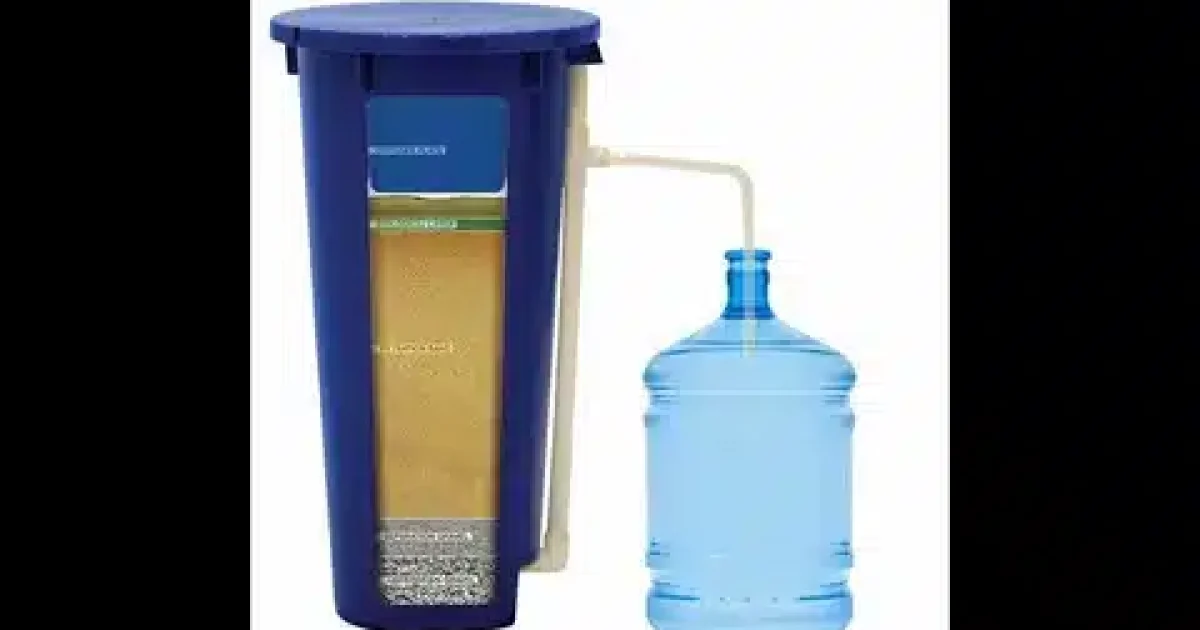
Access to clean and safe drinking water is essential for maintaining good health and protecting your family from harmful contaminants. As concerns about water quality continue to grow, more homeowners and businesses are investing in water filtration systems to improve water safety, taste, and overall quality.
In this guide, you’ll learn how water filtration works, its benefits, different filtration methods, and how to choose the best water filtration system for your needs.
Filtration is the process of removing impurities, contaminants, and unwanted particles from water. A water filtration system helps eliminate substances such as:
Sediment
Chlorine
Heavy metals
Bacteria
Viruses
Chemicals
Unpleasant odors and tastes
Modern water filtration technologies provide cleaner, healthier water for drinking, cooking, and everyday use.
Many water sources contain contaminants that can affect both health and water quality. Even treated municipal water may contain residual chemicals or impurities.
Benefits of water filtration include:
A reliable water filtration system helps ensure that the water you use every day is safe and clean.
Activated carbon filters are among the most popular water filtration solutions.
They help remove:
These filters are commonly used in countertop, under-sink, and whole-house systems.
Reverse osmosis (RO) systems use a semi-permeable membrane to remove a wide range of contaminants.
Benefits include:
RO systems are often considered one of the most effective water filtration methods available.
Ultraviolet (UV) purification systems use UV light to destroy bacteria, viruses, and microorganisms.
Advantages include:
UV systems are frequently used alongside other filtration methods for maximum protection.
Whole-house water filtration system treat water as it enters the property.
Benefits include:
These systems are ideal for households seeking comprehensive water treatment.
Water softeners address hard water problems by reducing minerals such as calcium and magnesium.
Benefits include:
Although not technically a filtration system, water softeners are often combined with filtration solutions.
One of the primary benefits of water filtration is reducing contaminants that may impact health.
Filtered water can help reduce exposure to:
Many people choose water systems because they improve water taste and eliminate unpleasant odors.
Filtered water is often fresher and more enjoyable to drink.
Installing a water filtration system can reduce reliance on bottled water.
Long-term benefits include:
Using a water filtration system supports sustainability by reducing single-use plastic bottle consumption.
This helps:
Start with a water quality test to identify contaminants in your water supply.
Common concerns include:
Factors to evaluate include:
Different systems are designed to address different water quality issues. Choosing the right technology ensures optimal performance.
Modern filtration systems now include smart monitoring features that track filter performance and maintenance schedules.
Manufacturers are focusing on sustainable designs that reduce water waste and improve efficiency.
Many systems now combine multiple filtration technologies for enhanced water purification and protection.
Water filtration plays a critical role in providing clean, safe, and great-tasting water for homes and businesses. Whether you’re concerned about contaminants, taste, or environmental impact, investing in the right water filtration system can deliver long-term benefits.
By understanding the available filtration technologies and choosing a solution that meets your needs, you can enjoy healthier water, improved convenience, and greater peace of mind in 2026 and beyond.
Yes. Even treated municipal water can contain chlorine, sediment, and other impurities that affect water quality and taste.
The best system depends on your water quality and household needs. Reverse osmosis and whole-house filtration systems are popular choices.
Most filters require replacement every few months, depending on usage and manufacturer recommendations.
Certain filtration methods, such as reverse osmosis and UV purification systems, can effectively reduce or eliminate bacteria and microorganisms.
In many cases, yes. Filtered water can provide excellent quality while reducing costs and plastic waste.