
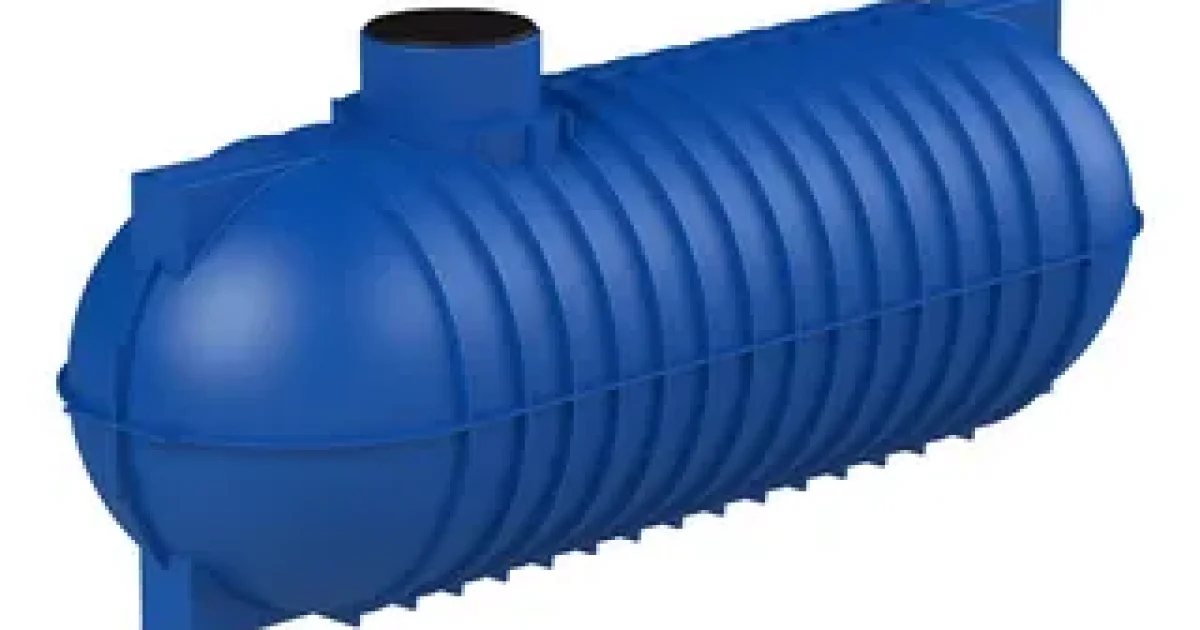
If you’re considering underground water tanks NZ, the right system can provide substantial water storage without taking up valuable outdoor space. Underground tanks are commonly used for rainwater harvesting, household water supply, irrigation, stormwater management and backup water storage.
The key to a successful installation is not simply choosing the largest tank you can afford. New Zealand conditions can vary significantly between sites, so factors such as soil type, groundwater, vehicle loading, excavation access, drainage and intended water use should all be considered before installation.
This guide explains what New Zealand property owners should know about selecting and installing an underground water tank.
An underground water tank stores water below ground level rather than above ground. This makes it particularly useful where outdoor space, appearance or site layout makes an above-ground tank impractical.
For many NZ homes and properties, underground water storage offers several advantages.
Above-ground water tanks can occupy a significant part of a backyard, driveway area or rural property layout. Installing the tank underground allows the surface area above it to remain available, subject to the tank’s engineering and installation requirements.
Depending on the system design, the area may be landscaped or used for other purposes.
For new builds and architecturally designed homes, an underground tank can provide substantial water storage without changing the visual appearance of the property.
This can be particularly appealing on smaller urban sections where visible tanks may dominate the outdoor area.
Underground tanks can collect and store rainwater from roof catchments. The stored water may be used for purposes such as:
Rainwater can be used for a range of purposes in New Zealand, but potable use requires appropriate attention to water quality, treatment and system design. The New Zealand Building Code requires water intended for human consumption and food-related uses to be potable.
Because the tank is underground, stored water is protected from direct sunlight. This can help avoid some of the issues associated with exposed storage, although water quality still depends on the entire collection and storage system.
A properly designed system should consider roof cleanliness, leaf management, sediment, inlet protection, filtration and maintenance.
Underground water tanks are used across New Zealand for both residential and commercial applications.
A common application is collecting rainwater from the roof and storing it underground for later use.
For a household, this may supplement mains water or provide a primary supply in areas without a convenient reticulated connection.
Underground tanks can store water for:
A pump may be used where pressure is required.
Lifestyle blocks and rural properties may use underground tanks where a protected, space-efficient water storage solution is needed.
However, rural installations should be carefully planned around catchment area, household demand, dry periods and the reliability of the water source.
Larger underground water storage systems may also be used for:
Commercial projects often involve more complex engineering, drainage and regulatory considerations.
The best underground tank size depends on your actual water demand and how the system will be used.
There is no single “best size” for every New Zealand property.
Before choosing a tank, consider:
Underground tanks are available in a wide range of capacities, from relatively compact residential systems to large commercial installations.
The right approach is to size the tank around water balance, rather than choosing capacity based only on available space.
A practical assessment should compare:
Water demand + expected dry period + intended use
against
roof catchment + rainfall patterns + available storage capacity
Imagine a household wants to use collected rainwater for toilets, laundry and garden irrigation.
The system design would need to consider:
A larger tank may provide greater resilience during dry periods, but excavation and installation costs also increase with tank size.
The goal is to balance storage capacity with realistic demand.
Several tank materials are used for underground water storage. The best choice depends on capacity, installation conditions and project requirements.
Polyethylene, often called poly tanks, can be a popular option because they are relatively lightweight and corrosion-resistant.
Potential advantages include:
However, underground installation requirements are critical. The tank must be designed specifically for underground use and installed according to the manufacturer’s instructions.
An above-ground tank should not simply be buried unless it has been specifically engineered and approved for that application.
Concrete tanks can be suitable for large-capacity storage and demanding installations.
Potential benefits include:
However, transport, site access and installation logistics may be more complex.
Fibreglass or composite tanks may also be used for underground storage.
The suitability of these systems depends on Underground Water Tanks NZ:
Always confirm that the specific product is designed for underground installation.
The ground around an underground water tank matters just as much as the tank itself.
A well-designed tank can still perform poorly if it is installed incorrectly.
Different New Zealand sites can have very different ground conditions.
The installation may need to account for:
The excavation and backfill specification should match the tank manufacturer’s requirements.
High groundwater can create significant challenges for underground tanks.
Depending on the tank design and site conditions, groundwater can create buoyancy forces when the tank is empty or partially empty.
This is why groundwater assessment should not be overlooked.
Potential solutions may include:
A professional assessment may be appropriate where groundwater is known or suspected.
One of the most common planning mistakes is assuming that any underground tank can be installed beneath a driveway.
If cars, trucks or other vehicles will travel above the tank, the system must be designed for the expected loads.
This may require:
Never assume that a standard underground water tank can safely support vehicle traffic.
Installing an underground water tank usually involves several stages.
Before excavation begins, assess:
Locating underground utilities before excavation is essential.
The excavation must be large enough to accommodate:
Excavation depth should follow the tank manufacturer’s installation requirements.
The tank requires a stable and level base.
Depending on the tank and site, this may involve:
The base specification should not be improvised.
The tank is carefully lowered into position.
For larger tanks, this may require specialist lifting equipment.
The tank should be checked for:
A rainwater harvesting system may include:
The overflow route is particularly important. The system should safely manage excess water during heavy rainfall.
Backfill should be placed in accordance with the manufacturer’s specifications.
Poor backfilling can create uneven pressure on the tank and may contribute to structural problems.
Before the system is fully operational, check:
The answer depends on the specific tank and installation.
New Zealand’s building consent exemptions include certain tanks, subject to capacity and support conditions. Official guidance notes that storage tanks may not require a building consent where they meet the relevant exemption requirements, including limits related to capacity and how the tank is supported. However, exemptions do not remove the need to comply with other applicable requirements.
There are also situations where additional work associated with a water tank system can trigger further requirements.
For example, official building performance guidance states that connecting a rainwater system to household plumbing where a property also has a mains supply may require a building consent and appropriate backflow prevention. Local council requirements may also apply.
Requirements can vary depending on:
Before installation, check with your local council and relevant qualified professionals.
This is particularly important for large underground tanks, tanks integrated with building services or installations involving potable water.
An underground tank is only one part of a rainwater harvesting system.
A complete system typically includes the following components.
The roof acts as the collection surface.
The available water depends on factors including:
Gutters direct rainwater toward the storage system.
They should be maintained to reduce:
A filter or screening system can remove larger debris before water enters the tank.
Depending on the application, additional filtration may be installed before the water reaches the pump or household plumbing.
A first-flush system can divert the initial runoff from a rainfall event.
This may help reduce contaminants collected from the roof before cleaner water enters the storage tank.
Because an underground tank sits below ground level, most household applications require a pump.
Pump selection should consider:
If stored rainwater will be used for drinking or food preparation, appropriate treatment and water quality management are essential.
New Zealand Building Code requirements include potable water requirements for water intended for human consumption and certain other uses.
The appropriate treatment system depends on the source and system design and may include filtration and disinfection.
Both options can work well. The right choice depends on the property.
Underground tanks generally require more site preparation and installation planning.
Above-ground tanks are often simpler to install but take up visible land area.
The best solution should be based on the total installed system cost, not simply the purchase price of the tank.
A small tank may fill quickly but run out during dry periods.
Before selecting capacity, consider realistic household demand and seasonal water availability.
Bigger is not always better.
A very large tank can increase:
The tank should be sized for the actual application Underground Water Tanks NZ.
Groundwater can create installation challenges that are not obvious until excavation begins.
Check site conditions before committing to a tank design.
This can create serious structural problems.
Only install tanks specifically designed and approved for underground installation.
If the tank will sit beneath a driveway or accessway, structural loading must be considered from the start.
Every water tank needs a safe overflow strategy.
During intense rainfall, excess water must have somewhere appropriate to go.
Filters, pumps and access points need to remain accessible.
A system that cannot be easily inspected is more difficult to maintain properly.
Underground tanks are largely hidden, which makes regular maintenance even more important. Underground Water Tanks NZ.
Clean or replace filters according to the manufacturer’s recommendations.
Blocked filters can reduce water flow and place unnecessary strain on pumps.
Inspect inlet screens and debris management systems.
Leaves and organic material should be prevented from accumulating in the tank.
Tank access covers should remain secure and in good condition.
They should not allow contaminated surface water to enter the system.
If the water is used for household or potable purposes, maintain the treatment system and follow appropriate water quality guidance.
Listen for unusual pump cycling or pressure changes.
These can indicate:
The cost of an underground water tank system can vary significantly.
Instead of focusing only on the tank purchase price, budget for the complete project.
Potential costs include:
The site itself can have a major impact on the final price.
For example, a straightforward installation with easy machinery access may be considerably simpler than a project involving rock excavation, high groundwater or a tight urban site.
When comparing quotes, ask what is included.
A useful comparison checklist is:
Tank + delivery + excavation + installation + backfill + plumbing + pump + electrical + filtration + reinstatement
This provides a more realistic view of the total project cost.
Before choosing a supplier or installer, ask: Underground Water Tanks NZ
These questions can prevent expensive changes later.
The best underground water tank is not necessarily the biggest or most expensive model.
The right system should match :
For a typical homeowner, the best first step is to define exactly what the stored water will be used for.
For example:
A smaller system may be sufficient if the goal is simply to reduce mains water use during dry weather. Underground Water Tanks NZ.
A larger system may be required, along with pumping, filtration and treatment.
An underground tank can provide substantial storage while preserving the visual appearance and usable space of the section. Underground Water Tanks NZ.
Storage capacity should account for household demand, roof catchment and periods when rainfall may be limited.
They can be worthwhile where space-saving, aesthetics or large-volume water storage are priorities. Their value depends on the site, installation cost and intended use Underground Water Tanks NZ.
Yes. Underground tanks can be used as part of a rainwater harvesting system. The system should include suitable collection, filtration, overflow and pumping arrangements.
Potentially, but water intended for human consumption must meet applicable potable water requirements. Appropriate treatment, system design and maintenance are important. Check relevant local and professional requirements before using stored rainwater as drinking water.
For many household applications, yes. Because the water level is below ground, a pump is commonly needed to provide pressure to taps, appliances or irrigation systems.
Only if the tank and installation system are specifically designed for the expected vehicle loads. Do not assume that every underground tank is traffic-rated.
Service life depends on the tank material, product quality, site conditions, installation quality and maintenance. Follow the manufacturer’s installation and maintenance requirements.
It depends on the specific tank and installation. Some tank work may fall within New Zealand’s building consent exemptions, subject to conditions, while associated plumbing, structural work or site requirements may introduce additional obligations. Underground Water Tanks NZ Always confirm your situation with your local council and qualified professionals.
Underground water tanks in NZ can be an excellent solution for homeowners, rural properties and developments that need reliable water storage without sacrificing valuable surface space.
The most successful projects begin with site planning.
Before choosing a tank, understand:
How much water do you need
What the water will be used for
Your site’s soil and groundwater conditions
How the tank will be installed
Whether vehicles will pass above it
What plumbing and treatment systems are required
What local regulatory requirements may apply to Underground Water Tanks NZ
By treating the tank as part of a complete water storage system rather than a standalone product, you can make a more informed decision and reduce the risk of costly installation mistakes.