
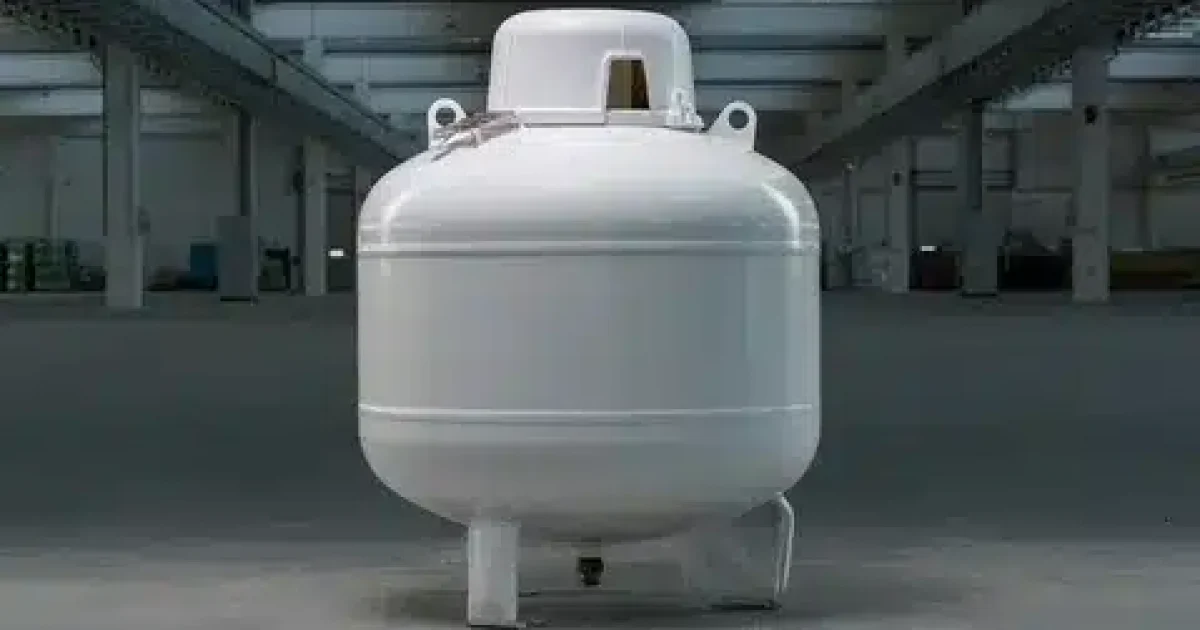
Storage plays a crucial role across residential, agricultural, and industrial settings Above Ground Tank . Whether it’s water, fuel, or chemicals, choosing the right storage system can make a significant difference in efficiency, safety, and cost. One increasingly popular option is the above-ground tank, known for its versatility and ease of use.
In this guide, we’ll explore the top benefits of using above-ground storage systems, along with practical insights to help you decide if they’re the right fit for your needs.
An above-ground tank is a storage container installed on or above the surface of the ground, rather than buried underground. These tanks are commonly used for storing liquids such as water, oil, fuel, and chemicals.
Because of their accessibility and flexibility, they are widely used across multiple industries.
One of the biggest advantages of using an above ground tank is how simple it is to install.
Unlike underground systems, there is no need for excavation, which can be time-consuming and expensive.
This makes them ideal for both temporary and permanent storage solutions.
Budget is often a deciding factor when choosing storage systems, and above-ground options are generally more affordable.
Over time, the total cost of ownership remains lower compared to underground tanks, making them a smart investment.
Accessibility is a major benefit that shouldn’t be overlooked.
Since the tank is visible and reachable, inspections can be carried out quickly and safely.
This helps extend the lifespan of the storage system while ensuring safety.
Safety is critical when storing liquids, especially hazardous materials.
Above-ground tanks are easier to monitor, reducing the risk of undetected leaks or contamination.
Because problems can be spotted early, corrective actions can be taken quickly.
An above ground tank is highly adaptable and can be used in a variety of industries.
Tanks come in various shapes, sizes, and materials, making it easy to find a solution tailored to your needs.
Environmental concerns are becoming increasingly important, and above-ground storage systems offer several eco-friendly advantages.
Because they don’t require excavation, they preserve the natural structure of the land.
Unlike underground systems, above-ground tanks can often be moved if needed.
This is especially useful for temporary projects or changing operational needs.
This flexibility makes them a practical choice for dynamic environments.
Choosing the right material is essential for durability and performance.
Each material offers unique advantages in terms of strength, corrosion resistance, and cost.
For example, plastic tanks are lightweight and resistant to rust, while steel tanks offer superior strength for heavy-duty applications.
Meeting local and industry regulations is essential for safe storage.
Above-ground tanks are generally easier to inspect and certify.
This reduces the risk of penalties and ensures smooth operations.
Durability is a key factor when investing in storage solutions.
Modern above-ground tanks are designed to withstand harsh weather conditions and long-term use.
With proper maintenance, these tanks can last for decades.
Selecting the right tank depends on several factors.
Determine what you plan to store—water, fuel, or chemicals.
Choose a size that meets your current and future needs.
Consider durability, cost, and compatibility with the stored substance.
Ensure there is enough space for installation and maintenance access.
Proper care can significantly extend the life of your tank.
Early detection of issues helps avoid costly repairs and ensures safe operation.
Even with the benefits, there are pitfalls to watch out for.
These mistakes can reduce efficiency and increase long-term costs.
Storage technology continues to evolve, and above-ground systems are no exception.
These innovations will make storage solutions even more efficient and reliable in the coming years.
An above ground tank offers a practical, cost-effective, and versatile solution for a wide range of storage needs. From easy installation to enhanced safety and long-term durability, the benefits are clear.
Whether you’re managing water for your home, fuel for your business, or chemicals for industrial use, choosing the right storage system can make all the difference. By understanding the advantages and following best practices, you can maximize efficiency and ensure a reliable storage solution for years to come.
An above ground tank is used to store liquids such as water, fuel, oil, or chemicals. It is commonly used in residential, agricultural, and industrial settings because it is easy to install and maintain.
It depends on your needs, but in many cases, above-ground options are preferred because they are:
Underground tanks may be better for space-saving or aesthetic purposes, but they usually involve higher installation and maintenance costs.
The lifespan of an above ground tank depends on the material and maintenance. On average:
Regular maintenance can significantly extend the life of the tank.
The best material depends on what you’re storing:
Each material has its own advantages, so choosing the right one is important.
Yes, above ground tanks are generally very safe when installed and maintained properly. Their visibility allows for quick detection of leaks or damage, reducing risks and improving overall safety.
Yes, regular maintenance is essential. This includes:
Proper maintenance ensures long-term performance and safety.