
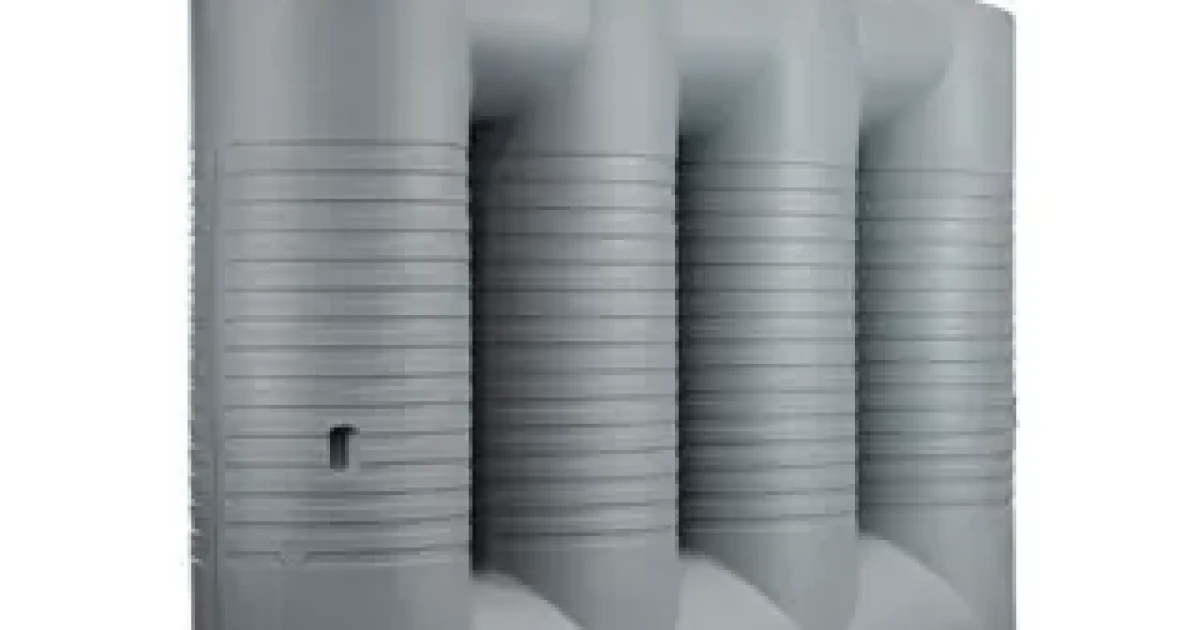
Water has always been one of New Zealand’s most valuable natural resources. While the country is known for its stunning landscapes and abundant rainfall, many regions still experience seasonal dry spells, water restrictions, and increasing demand on local water supplies. As homeowners, businesses, and rural property owners look for practical ways to manage water efficiently, slimline water tanks have become one of the most popular storage solutions across New Zealand.
Unlike traditional round tanks that require a large amount of space, slimline water tanks NZ are specifically designed to fit into narrow areas without compromising storage capacity. Whether installed beside a house, along a fence line, behind a garage, or in a compact urban backyard, these tanks offer an ideal combination of functionality, durability, and modern design.
If you’re considering installing a slimline water tank in New Zealand, understanding their benefits, available materials, installation requirements, maintenance needs, and ideal applications can help you make the best investment for your property.
Slimline water tanks are narrow-profile water storage tanks designed to maximize water capacity while occupying minimal ground space. Their rectangular or elongated shape allows them to fit into locations where standard round tanks simply cannot.
These tanks are commonly used for collecting rainwater from roof gutters, storing emergency water supplies, supporting garden irrigation, and providing water for household or commercial use. Their sleek appearance also makes them an attractive option for modern homes where aesthetics matter just as much as practicality.
Because many New Zealand homes have limited outdoor space, especially in urban areas, slimline tanks provide an efficient alternative to bulky water storage systems.
More New Zealand property owners are recognising the long-term value of rainwater harvesting. Climate variability, increasing utility costs, and greater awareness of sustainable living have encouraged households to become more self-sufficient.
Slimline water tanks support these goals by making rainwater collection possible even on smaller sections. Instead of allowing valuable rainwater to flow into stormwater drains, homeowners can capture and reuse it for numerous everyday purposes.
The growing trend toward environmentally responsible construction has also contributed to their popularity. Many newly built homes include rainwater collection systems as part of their sustainability initiatives, making slimline tanks an excellent addition to contemporary residential designs.
One of the biggest advantages of slimline water tanks is their ability to save space. Their narrow footprint allows installation in areas that would otherwise remain unused, making them ideal for townhouses, suburban homes, schools, commercial buildings, and lifestyle properties.
Another significant benefit is water conservation. Harvesting rainwater helps reduce dependence on municipal water supplies while lowering water bills over time. During periods of water restrictions, stored rainwater becomes an invaluable resource for maintaining gardens, washing vehicles, cleaning outdoor areas, and even supplying toilets or laundry systems when properly connected.
Modern slimline tanks are also built to withstand New Zealand’s changing weather conditions. Manufactured using high-quality materials, they resist corrosion, UV exposure, and cracking, ensuring many years of reliable performance with minimal maintenance.
Their contemporary appearance is another attractive feature. Available in various colours and finishes, they blend naturally with different architectural styles rather than standing out as bulky utility structures.
Rainwater collected in slimline tanks can serve many purposes around residential, commercial, and rural properties.
Many homeowners use stored rainwater for garden irrigation, reducing reliance on treated drinking water while keeping lawns and plants healthy during dry months.
Outdoor cleaning tasks such as washing decks, patios, windows, driveways, and vehicles can also be completed using harvested rainwater.
Some households connect their tanks to toilet flushing systems or laundry facilities, significantly reducing overall household water consumption. When installed with appropriate filtration and treatment systems, rainwater may even be suitable for potable household use where local regulations permit.
Businesses often install slimline tanks to support landscaping, reduce operating costs, and demonstrate environmental responsibility.
Schools, community centres, farms, workshops, and industrial properties also benefit from dependable water storage during peak demand periods or emergency situations.
Selecting the appropriate tank size depends on several factors rather than simply purchasing the largest available option.
Roof size plays an important role because larger roofs capture greater volumes of rainwater. Local rainfall patterns across New Zealand also influence how much water can realistically be collected throughout the year.
Household water consumption should be carefully evaluated. Families using rainwater only for garden irrigation require considerably less storage than homes relying on harvested water for toilets, washing machines, or household supply.
Available installation space is another important consideration. Even though slimline tanks require less room than traditional tanks, accurate measurements ensure the selected model fits comfortably while allowing access for maintenance.
Future water needs should also be considered. Purchasing a slightly larger tank today may prevent the need for costly upgrades later.
Most slimline water tanks available in New Zealand are manufactured from either polyethylene or steel.
Polyethylene tanks are lightweight, highly durable, and resistant to rust. They require very little maintenance and are available in a wide variety of colours. UV stabilisation protects the tank from harsh sunlight, helping maintain structural integrity for many years.
Steel slimline tanks offer exceptional strength and often feature modern finishes that complement premium residential architecture. Many include food-grade internal liners that protect water quality while preventing corrosion.
Both materials perform well when manufactured to high standards. The best choice depends on budget, intended application, preferred appearance, and installation requirements.
Proper installation directly affects the performance and lifespan of any water tank.
A stable, level foundation is essential. Concrete pads, compacted gravel bases, or engineered foundations are commonly used depending on the tank size and site conditions.
Correct guttering and downpipe connections ensure efficient rainwater collection while preventing overflow during heavy rainfall.
Overflow systems should direct excess water safely away from buildings to minimise erosion and protect property foundations.
Many homeowners also install first-flush diverters, which remove leaves, dust, bird droppings, and other contaminants before clean rainwater enters the tank.
Leaf guards and inlet screens provide additional protection by reducing debris accumulation and helping maintain better water quality.
Professional installation ensures plumbing connections, overflow systems, pumps, and filtration equipment comply with relevant New Zealand building standards.
Routine maintenance keeps water clean and extends the life of your investment.
Inspect gutters regularly to remove leaves, moss, and debris that could enter the tank.
Check inlet screens and first-flush diverters to ensure they continue operating efficiently.
Monitor the tank for signs of damage, leaks, or unusual movement, especially after severe weather events.
Periodically inspect pumps, filters, valves, and connecting pipes to confirm they remain in good working condition.
Sediment naturally accumulates over time, so occasional cleaning helps maintain water quality and storage efficiency.
With basic maintenance, many quality slimline water tanks continue providing reliable service for decades.
Installing a slimline water tank contributes to sustainable water management while reducing pressure on public infrastructure.
Every litre of rainwater collected is one less litre drawn from treated municipal supplies. This helps conserve valuable drinking water resources while lowering demand on treatment facilities.
Rainwater harvesting also reduces stormwater runoff, decreasing the risk of local flooding, soil erosion, and pollution entering rivers, lakes, and coastal environments.
Using naturally collected rainwater for irrigation supports healthier gardens because rainwater contains fewer chemicals than treated tap water.
As sustainability becomes increasingly important throughout New Zealand, rainwater collection offers a practical way for households and businesses to reduce their environmental footprint.
The overall cost of installing a slimline water tank depends on several factors, including tank capacity, material, plumbing requirements, filtration systems, pumps, and site preparation.
Although the initial investment may appear significant, the long-term savings often justify the expense. Reduced water bills, improved drought resilience, lower dependence on municipal supplies, and increased property value all contribute to excellent long-term returns.
Quality tanks also require relatively little maintenance, making them an economical solution over many years of operation.
Rather than viewing a slimline tank as simply another household expense, many property owners consider it a valuable investment in water security and environmental responsibility.
With many products available on the market, selecting the right tank involves more than comparing prices.
Look for tanks manufactured using premium materials that are specifically designed to withstand New Zealand’s weather conditions.
Choose products that include UV protection, durable construction, reliable warranties, and food-grade materials where drinking water storage is intended.
Evaluate the reputation of the supplier, customer reviews, installation support, and after-sales service before making your decision.
Ensure the chosen capacity aligns with your expected water usage while fitting comfortably within your available installation space.
Investing in quality from the beginning often reduces maintenance costs and provides greater peace of mind for years to come.
As land sizes become smaller and sustainable living becomes more important, slimline water tanks offer an ideal balance between efficiency, appearance, and performance. They provide an effective solution for capturing valuable rainwater without sacrificing outdoor space, making them suitable for urban homes, rural properties, schools, commercial buildings, and lifestyle blocks alike.
Whether your goal is lowering water bills, preparing for seasonal water shortages, maintaining a healthy garden, or supporting environmentally responsible living, a slimline water tank delivers practical benefits throughout the year. With proper installation and routine maintenance, these durable storage systems can provide reliable water security for decades while enhancing the overall value and sustainability of your property.
For New Zealand homeowners seeking a modern, space-saving, and environmentally friendly water storage solution, slimline water tanks remain one of the smartest investments available today.
Yes, slimline water tanks nz are specifically designed for properties with limited outdoor space. Their narrow profile allows them to fit neatly beside homes, garages, fences, or pathways while still providing excellent water storage capacity.
The right size depends on your roof area, average rainfall, available installation space, and intended water usage. If you plan to use rainwater for gardening, a smaller tank may be sufficient, while households using rainwater for toilets, laundry, or other daily needs may benefit from a larger capacity tank.
Yes. Even compact tanks can collect a significant amount of rainwater when connected to an efficient guttering system. New Zealand’s regular rainfall makes rainwater harvesting a practical and cost-effective solution for many homes and businesses.