
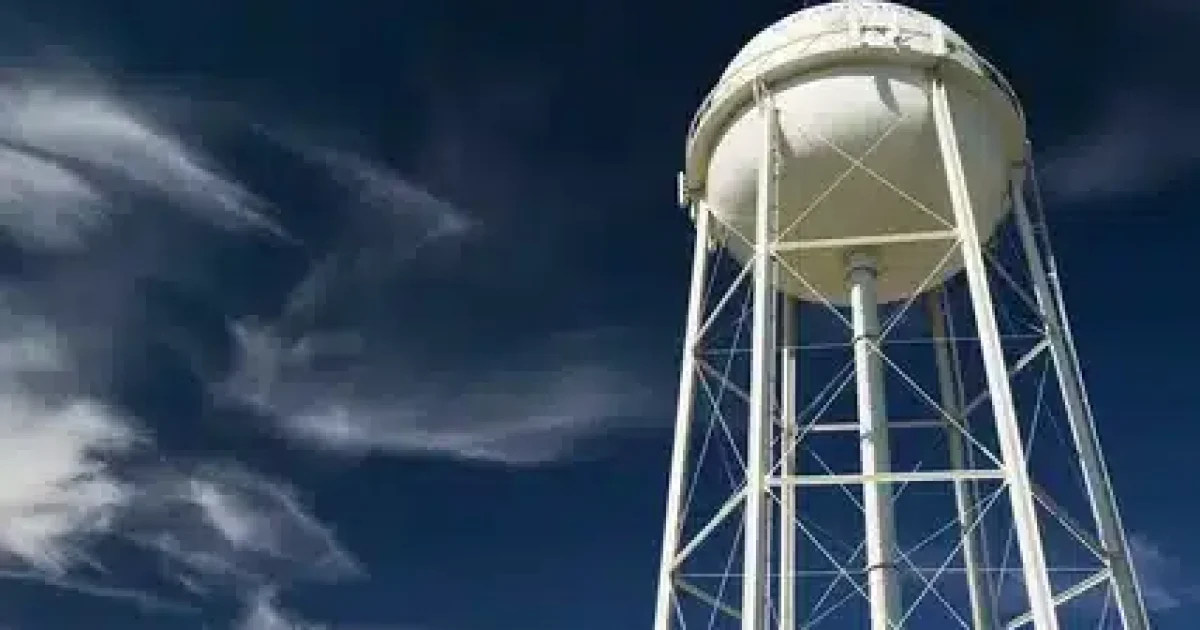
An overflowing water tank is more than just an inconvenience—it can waste thousands of litres of water, increase utility costs, damage your property, and even create health risks if left unresolved. Whether you have a rainwater collection system or a household storage tank, understanding why your water tank is overflowing is the first step toward preventing expensive repairs.
In this guide, you’ll learn the most common causes, practical DIY solutions, maintenance tips, and when it’s time to call a professional plumber in New Zealand.
Several issues can cause an overflowing water tank problem. Identifying the source early can save both water and money.
The float valve controls the water level inside the tank. If it becomes damaged or worn out, it may fail to shut off the water supply, causing continuous filling.
Water constantly running
Overflow pipe dripping
The tank never stops filling
Leaves, dirt, insects, or debris can block the overflow outlet, preventing excess water from draining properly.
Slow drainage
Water pooling around the tank
Overflow only during heavy rain
Excessive water pressure can force more water into the tank than the valve is designed to handle.
Older water tanks often use a ball-cock mechanism. Over time, it can become worn, bent, or stuck.
Poor plumbing installation or incorrectly positioned overflow outlets may contribute to recurring overflow issues.
Watch for these warning signs:
Overflow pipe constantly dripping
Water stains around the tank
Rising water bills
Damp ground near the tank
Mould or mildew growth
Strange plumbing noises
Ignoring these symptoms can lead to structural damage and costly repairs
Depending on the cause, many issues can be resolved quickly.
Lift the tank lid safely and check whether the float moves freely. Replace damaged components if necessary.
Remove leaves, dirt, and debris to restore proper drainage.
A worn-out float or ball valve is one of the most common reasons for continuous overflow.
Install a pressure-reducing valve if household water pressure exceeds recommended levels.
Loose or damaged fittings should be tightened or replaced immediately.
Suitable for:
Cleaning overflow pipes
Removing debris
Adjusting the float
Basic visual inspections
Professional plumbers can diagnose hidden plumbing faults and ensure long-term reliability.
Regular maintenance significantly reduces the risk of overflow.
Inspect the float valve.
Clean overflow outlet
Check water level.
Look for leaks.
Remove debris.
Test shut-off mechanism
Routine maintenance extends the life of your water tank while reducing water waste.
Many homeowners ignore minor overflow until serious damage occurs.
Potential consequences include:
Higher water bills
Foundation damage
Soil erosion
Mould growth
Damaged landscaping
Mosquito breeding
Reduced tank lifespan
Early repairs are almost always less expensive than replacing damaged plumbing systems.
New Zealand’s varying weather conditions can affect rainwater harvesting systems and household storage tanks.
Best practices include:
Inspect tanks every season.
Clean gutters regularly.
Flush sediment annually.
Replace worn valves promptly.
Check overflow pipes before winter.
Schedule professional inspections every few years.
These simple habits help keep your water storage system operating efficiently throughout the year.
An overflowing water tank should never be ignored. Whether the issue is a faulty float valve, blocked overflow pipe, or excessive water pressure, addressing the problem early helps protect your property, conserve water, and avoid costly repairs. Regular inspections and routine maintenance are the best ways to keep your water tank working efficiently, especially in New Zealand’s changing climate.
If you’re unable to identify the cause or the overflow continues after basic troubleshooting, contact a qualified local plumber to inspect and repair your system before the damage becomes more serious.
The most common causes include a faulty float valve, a damaged ball cock, a blocked overflow pipe, or excessive water pressure.
Yes, minor issues like cleaning the overflow pipe or adjusting the float can often be handled by homeowners. More complex plumbing problems should be repaired by a qualified plumber.
It can be. Continuous overflow may cause water damage, mould, slippery surfaces, erosion, and unnecessary water waste.
A visual inspection every month and a more thorough maintenance check at least once a year is recommended.
Yes. If your tank is connected to the mains supply, a continuously overflowing water tank can waste a significant amount of treated water and increase your utility costs.