
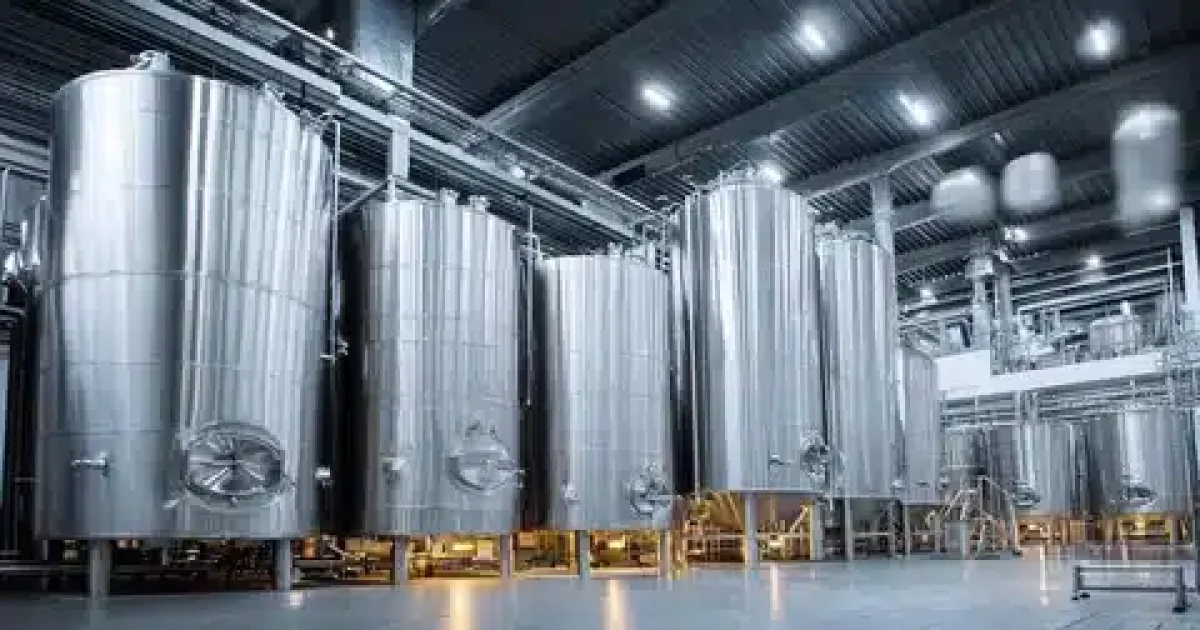
Industrial tanks are one of the most important investments for businesses that need safe, efficient, and long-lasting storage solutions. Whether you’re storing water, chemicals, fuel, wastewater, food-grade liquids, or agricultural products, choosing the right industrial tank directly impacts operational efficiency, safety, and compliance.
Across New Zealand, industries rely on high-quality industrial storage tanks to meet strict environmental regulations while ensuring reliable storage for daily operations. From manufacturing plants and farms to food processing facilities and commercial sites, industrial tanks play a critical role in keeping businesses running smoothly.
In this guide, you’ll learn everything about industrial tanks in New Zealand, including tank types, materials, applications, installation, maintenance, and how to choose the right solution for your business.
Industrial tanks are specially designed storage systems used to safely contain liquids, chemicals, gases, wastewater, fuels, and other industrial materials. These tanks are engineered for durability, corrosion resistance, and long-term performance under demanding operating conditions.
Industrial tanks are available in various sizes, shapes, and materials depending on industry requirements.
Stainless steel tanks are widely used in food processing, dairy, pharmaceutical, and beverage industries because they offer:
Poly tanks are lightweight and cost-effective for storing:
Benefits include:
FRP tanks are ideal for corrosive environments and chemical storage.
Advantages:
Steel tanks are commonly used for:
These tanks offer excellent structural strength for large-capacity storage.
Industrial tanks are used across numerous industries in New Zealand, including:
Selecting the right wastewater storage depends on several factors:
Consider whether you’re storing:
Different materials require different tank specifications.
Industrial tanks range from a few hundred litres to hundreds of thousands of litres.
Businesses should choose capacity based on:
Popular materials include:
Each material offers unique advantages depending on the application.
New Zealand’s varying climate means tanks should withstand:
Choosing weather-resistant materials helps maximize service life.
Investing in premium industrial tank provides several long-term advantages.
Modern storage tanks are designed to minimize leaks, contamination, and environmental risks.
Durable construction reduces repair frequency and operational downtime.
Professionally designed tanks help businesses comply with New Zealand environmental and workplace safety standards.
Reliable storage systems improve workflow and reduce production interruptions.
High-quality industrial tanks can provide decades of dependable performance with proper maintenance.
Professional installation ensures maximum performance and safety.
Typical installation includes:
Proper installation significantly extends the lifespan of industrial storage systems.
Routine maintenance helps prevent costly repairs.
Recommended maintenance includes:
Preventive maintenance improves efficiency while reducing unexpected downtime.
Industrial tanks NZ support essential operations in:
Agriculture
Dairy farms
Food manufacturing
Chemical processing
Water treatment
Mining
Construction
Energy
Commercial facilities
Industrial manufacturing
Businesses throughout Auckland, Wellington, Christchurch, Hamilton, Tauranga, Dunedin, Palmerston North, Napier, Rotorua, Nelson, Invercargill, and surrounding regions are investing in modern industrial storage systems because they offer:
Improved durability
Reduced maintenance
Better environmental protection
Increased storage efficiency
Greater operational reliability
Long-term cost savings
Modern industrial tanks are engineered to meet the evolving needs of New Zealand industries while supporting sustainability and compliance.
The best material depends on your application. Stainless steel is ideal for hygienic environments, polyethylene suits water storage, FRP excels in chemical applications, and steel is commonly used for fuel storage.
With proper installation and regular maintenance, industrial tanks can last 20–40 years or more, depending on the material and operating conditions.
Yes. Many industrial tanks are specifically designed for storing hazardous and corrosive chemicals using compatible materials such as FRP, polyethylene, or specially coated steel.
Most businesses should perform routine visual inspections monthly and schedule professional inspections annually or according to industry regulations.
Yes. Industrial tanks are available in custom sizes, capacities, materials, fittings, and configurations to suit specific operational requirements.
Industrial tanks are a vital component of modern industrial infrastructure. Choosing the right storage solution ensures operational efficiency, workplace safety, regulatory compliance, and long-term cost savings.
Whether your business requires water storage, fuel containment, chemical processing, wastewater management, or food-grade storage, investing in high-quality industrial tanks provides dependable performance for years to come.
If you’re looking for reliable industrial tank solutions in New Zealand, working with experienced professionals ensures your storage system is designed, installed, and maintained to the highest industry standards.