
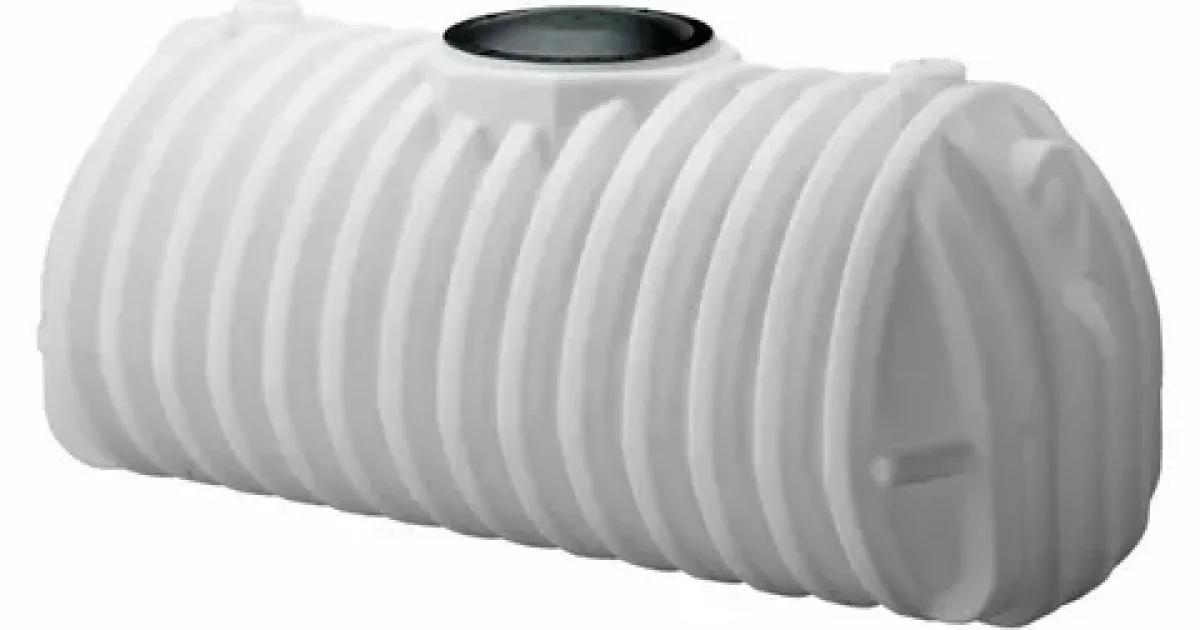
Water conservation has become increasingly important across New Zealand. Whether you own a rural property, lifestyle block, commercial site, or urban home, investing in below ground water tanks is one of the smartest long-term solutions for reliable water storage.
Underground water tanks help homeowners collect rainwater efficiently while saving valuable outdoor space. They also protect stored water from sunlight, temperature fluctuations, and algae growth, making them an ideal option for New Zealand’s changing climate.
In this guide, we’ll explore everything you need to know about below ground water tanks in NZ, including benefits, installation, sizes, maintenance, and choosing the right tank for your property.
Below ground water tanks, also known as underground water tanks, are storage tanks installed beneath the surface of the ground. They collect and store rainwater or other water supplies while remaining completely hidden from view.
Unlike above-ground tanks, underground systems preserve your property’s appearance while offering excellent protection against weather conditions.
One of the biggest advantages is that underground tanks don’t occupy outdoor living space. This makes them ideal for:
Residential homes
Small urban sections
Commercial buildings
Schools
Public facilities
Since sunlight cannot enter underground tanks, algae growth is greatly reduced. The cooler underground environment also helps maintain better water quality throughout the year.
Many homeowners prefer underground tanks because they remain completely hidden. Your garden, driveway, or landscaping maintains a clean and modern appearance.
Quality underground polyethylene or concrete tanks are designed to withstand New Zealand’s environmental conditions for decades with minimal maintenance.
Underground tanks work perfectly with roof rainwater collection systems, helping reduce reliance on mains water while lowering utility costs.
Below ground tanks are commonly used for:
water storage
Irrigation systems
Fire protection water supply
Commercial buildings
Schools and sports facilities
Emergency water reserves
Selecting the correct tank depends on:
3,000L–5,000L
Suitable for:
Garden irrigation
Toilet flushing
Laundry
10,000L–20,000L
Ideal for:
Family homes
Rainwater collection
Household water supply
25,000L+
Best for:
Livestock
Irrigation
Whole-property water supply
Installing a below ground water tank involves several important steps.
A professional installer evaluates:
Soil conditions
Groundwater level
Drainage
Access
The installation area is excavated according to the tank dimensions.
A stable sand or concrete base is prepared to ensure the tank sits level.
The tank is carefully lowered into position using lifting equipment.
Installers connect:
Inlet pipes
Overflow systems
Pumps
Filters
Household plumbing (if required)
Suitable material is placed around the tank while maintaining structural support.
Proper maintenance helps maximise the lifespan of your underground tank.
Clean filters regularly
Inspect overflow systems
Check pumps annually
Remove sediment every few years
Inspect access covers for damage
Routine servicing helps maintain water quality and system efficiency.
| Feature | Polyethylene | Concrete |
|---|---|---|
| Lightweight | ✔ | ✖ |
| Easy Installation | ✔ | ✖ |
| Corrosion Resistant | ✔ | ✔ |
| Long Lifespan | ✔ | ✔ |
| Heavy Vehicle Loading | Limited | Excellent |
| Cost | Lower | Higher |
Both options perform well in New Zealand when installed correctly.
New Zealand experiences varying rainfall patterns across different regions. Underground rainwater tanks help homeowners prepare for dry periods while supporting sustainable water management.
Benefits include:
Reduced mains water usage
Lower water bills
Reliable emergency supply
Sustainable rainwater harvesting
Increased property value
Cleaner outdoor appearance
Below ground water tanks are an excellent investment for New Zealand homeowners, farmers, and businesses seeking a reliable, space-saving, and sustainable water storage solution. By harvesting rainwater efficiently and protecting it underground, these systems offer long-term savings while helping preserve one of New Zealand’s most valuable natural resources.
Whether you’re building a new home or upgrading an existing water storage system, choosing the right underground water tank can provide dependable water security for years to come.
High-quality underground tanks can last over 30 years with proper installation and maintenance.
Yes. When installed with appropriate filtration and treatment systems, underground rainwater tanks can supply potable water.
Yes, but maintenance is generally minimal and includes checking filters, pumps, and cleaning sediment periodically.
Some underground tanks are specifically engineered for trafficable installations beneath driveways. Always select a tank rated for vehicle loads if required.
The ideal size depends on your roof catchment area, household water usage, rainfall patterns, and intended use.