
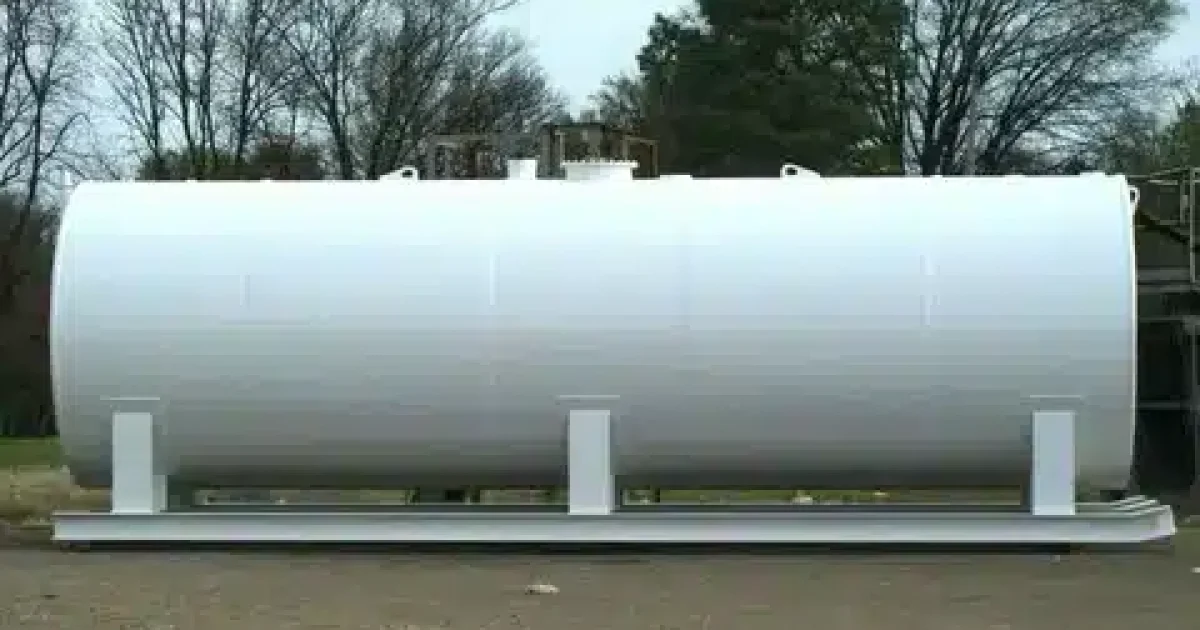
Reliable water storage plays a vital role in residential, commercial, agricultural, and industrial settings. Whether you need a dependable backup water supply, irrigation storage, or a solution for rainwater harvesting, choosing the right storage tank is an important decision. Among the many available options, above ground tanks remain one of the most practical and cost-effective choices.
Unlike underground storage systems, above ground tanks are installed on the surface, making them easier to access, inspect, maintain, and replace when necessary. They are available in various sizes, materials, and designs to meet different water storage requirements while offering excellent durability and long-term performance.
This comprehensive guide explores everything you need to know about above ground tanks, including their types, advantages, installation process, maintenance tips, and factors to consider before purchasing one.
An above ground tank is a storage container installed entirely above the surface of the ground to hold water or other approved liquids. These tanks are commonly used for domestic water storage, rainwater collection, agricultural irrigation, industrial operations, and emergency reserves.
Modern tanks are manufactured using durable materials that resist weather exposure, corrosion, and UV damage. Their accessible design allows users to inspect and maintain them with minimal effort, making them a popular solution for both small and large-scale projects.
Selecting the right tank depends on your storage requirements, available space, budget, and intended application.
Polyethylene tanks are among the most widely used storage solutions because they are lightweight, affordable, and resistant to corrosion.
Steel tanks provide outstanding structural strength and are suitable for storing large volumes of water.
Fibreglass tanks combine strength with corrosion resistance, making them suitable for demanding environments.
Concrete tanks are built for maximum durability and long-term use where large storage capacity is required.
Above ground tanks offer numerous advantages that make them a practical investment for many property owners.
One of the biggest advantages is the simple installation process. Since excavation is not required, installation is generally faster, less expensive, and causes minimal disruption to the surrounding property.
Routine inspections, cleaning, and repairs are much easier because the tank remains fully accessible above the ground.
Without excavation or extensive site preparation, installation costs are typically lower than underground alternatives.
Above ground tanks can often be relocated if property layouts change or storage needs increase.
Manufacturers produce tanks in various capacities, allowing homeowners and businesses to select a solution that fits their specific requirements.
Above ground tanks provide dependable storage while keeping both installation and maintenance costs manageable.
Above ground tanks serve numerous industries and everyday water storage needs.
Homeowners frequently install above ground tanks to store municipal water, harvested rainwater, or emergency reserves.
Rainwater collected from rooftops can be stored and reused for gardening, washing vehicles, irrigation, and other non-potable purposes.
Farmers depend on above ground tanks to store irrigation water, livestock supplies, and crop management resources.
Hotels, offices, schools, shopping centres, and warehouses use above ground tanks to maintain a consistent water supply.
Manufacturing plants require reliable storage for production processes, cooling systems, and operational water reserves.
Many facilities install dedicated above ground tanks as part of their fire suppression systems.
Several important factors should be considered before making a purchase.
Estimate your current and future water requirements. Selecting the correct capacity prevents unnecessary upgrades later.
Each material offers different advantages in terms of durability, maintenance, and cost.
Ensure sufficient space exists for installation while allowing room for maintenance access.
Areas with intense sunlight, freezing temperatures, or strong winds may require tanks specifically designed for local weather conditions.
If storing drinking water, choose tanks manufactured using food-grade materials approved for potable water storage.
Balance the initial purchase cost with long-term maintenance expenses and expected lifespan.
Although installation is simpler than underground systems, careful planning remains essential.
Choose a level, accessible location that provides adequate support and easy connection to plumbing systems.
A solid concrete slab or compacted gravel foundation helps distribute the tank’s weight evenly.
Carefully place the tank on the prepared base using appropriate lifting equipment if necessary.
Install inlet, outlet, overflow, drainage, and vent connections according to manufacturer recommendations.
Fill the tank gradually while checking for leaks, proper flow, and structural stability.
Routine maintenance helps maximise performance and extend the life of your storage tank.
Check for cracks, leaks, corrosion, or structural damage throughout the year.
Sediment naturally accumulates over time. Cleaning the tank periodically helps preserve water quality.
Inspect fittings, valves, and plumbing for leaks or wear.
Ensure the access cover remains securely closed to prevent contamination.
Many modern plastic tanks include UV protection, but periodic inspection for surface deterioration remains important.
If storing potable water, regular testing helps ensure continued safety.
Like any storage system, above ground tanks can experience occasional issues.
Direct sunlight may encourage algae development. Using opaque or UV-resistant tanks helps reduce this risk.
Routine inspections allow small leaks to be repaired before they become significant.
A properly prepared base prevents uneven weight distribution and structural stress.
Selecting corrosion-resistant materials significantly extends service life.
Both storage systems offer valuable benefits, but the right choice depends on your needs.
| Feature | Above Ground Tank | Below Ground Tank |
|---|---|---|
| Installation | Faster | More complex |
| Maintenance | Easy access | More difficult |
| Cost | Lower installation cost | Higher installation cost |
| Appearance | Visible | Hidden underground |
| Repairs | Easier | More challenging |
If easy maintenance, lower installation costs, and flexible placement are priorities, an above ground tank is often the preferred option.
Most quality tanks last between 20 and 40 years, depending on the material, environmental conditions, and maintenance practices.
Yes, provided they are manufactured from food-grade materials specifically designed for potable water storage.
Absolutely. They are widely used in residential and commercial rainwater harvesting systems.
No. Basic inspections, occasional cleaning, and checking fittings are usually sufficient to maintain reliable performance.
The best material depends on your budget, storage capacity, climate, and intended application. Polyethylene is popular for residential use, while steel, fiberglass, and concrete are often chosen for larger commercial or industrial projects.
An above ground tank offers a practical, reliable, and cost-effective solution for water storage across a wide range of applications. Its straightforward installation, easy maintenance, flexible placement, and availability in multiple materials make it an excellent choice for homeowners, businesses, farms, and industrial facilities.
Before selecting a tank, carefully evaluate your storage needs, available space, environmental conditions, and long-term maintenance requirements. Investing in a high-quality tank and following proper installation practices will help ensure dependable performance for many years.
Whether you need a water storage solution for everyday use, emergency backup, rainwater harvesting, or agricultural irrigation, an above ground tank provides lasting value, convenience, and peace of mind.