
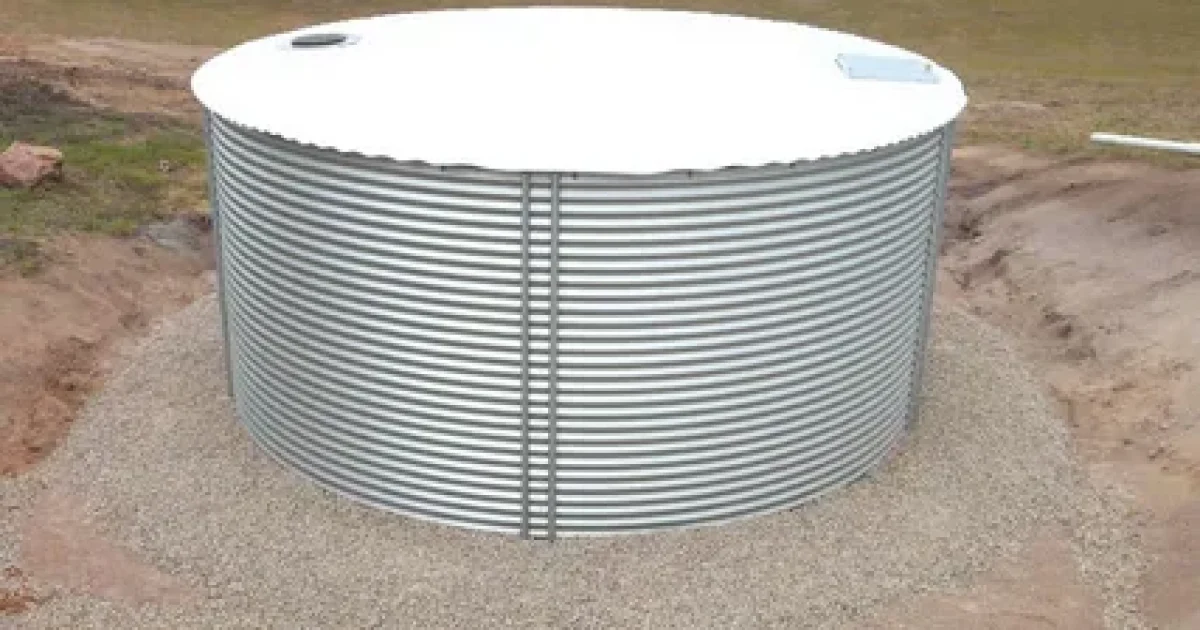
Stormwater Tanks NZ management has become an essential part of modern property design in New Zealand. With changing weather patterns, growing urban development, and increasing pressure on public drainage systems, homeowners, developers, and businesses are looking for smarter ways to manage excess rainwater. One of the most effective solutions is installing a Stormwater Tanks NZ.
Stormwater tanks help collect, store, and gradually release rainwater, reducing flooding risks while promoting sustainable water management. Whether you’re building a new home, upgrading an existing property, or managing a commercial site, choosing the right stormwater tank can improve drainage, protect your investment, and even help meet local council requirements.
In this guide, we’ll explain everything you need to know about stormwater tanks NZ, including how they work, their benefits, available types, installation considerations, and tips for selecting the right system.
Stormwater tanks are specially designed storage systems that collect rainwater runoff from roofs, driveways, and other hard surfaces. Instead of allowing large volumes of water to flow directly into public stormwater drains, these tanks temporarily store water and release it at a controlled rate.
Unlike standard rainwater harvesting tanks that primarily store water for reuse, Stormwater Tanks NZ focus on reducing peak water flow during heavy rainfall. Many modern systems also combine stormwater detention and rainwater harvesting, allowing property owners to use stored water for irrigation, toilet flushing, or outdoor cleaning.
Stormwater tanks are increasingly common across residential, commercial, and industrial developments throughout New Zealand.
New Zealand experiences diverse weather conditions, from heavy rainfall in the North Island to seasonal downpours in many coastal regions. As cities continue to expand, natural ground surfaces are replaced with concrete, roads, and buildings, leaving fewer areas for rainwater to soak into the soil.
Without proper stormwater management, this can lead to:
Localised flooding
Erosion around properties
Increased pressure on council drainage infrastructure
Water pollution entering rivers and streams
Damage to landscaping and foundations
Installing a stormwater tank helps manage runoff responsibly while supporting environmental sustainability and reducing the risk of flooding.
Stormwater tanks NZ temporarily store excess rainwater during heavy storms, helping reduce sudden surges entering local drainage systems. This significantly lowers the likelihood of flooding around homes and commercial properties.
Capturing and controlling rainwater contributes to more sustainable urban development by reducing runoff and protecting nearby waterways from pollution.
Uncontrolled Stormwater Tanks NZ drives, gardens, retaining walls, and landscaping. A properly designed stormwater system helps minimise these risks.
Many councils across New Zealand require stormwater management systems for new developments and significant renovations. Installing an approved stormwater tank can help satisfy consent requirements during construction.
Some systems allow stored rainwater to be reused for:
Garden irrigation
Washing vehicles
Toilet flushing
Outdoor cleaning
This reduces dependence on mains water while lowering water bills.
Choosing the right stormwater tank depends on your property’s size, drainage requirements, available space, and intended use.
Above-ground tanks are installed on the surface and are often easier to access for maintenance.
Advantages include:
Lower installation costs
Easier inspection
Faster installation
Wide range of capacities
These tanks work well for residential properties with sufficient outdoor space.
Underground systems are installed beneath gardens, lawns, or driveways, making them ideal where outdoor space is limited.
Benefits include:
Space-saving design
Hidden from view
Suitable for urban properties
Large storage capacity
Although installation costs are typically higher, underground tanks offer an excellent long-term solution for modern developments.
Detention tanks temporarily store stormwater before gradually releasing it into the drainage network.
Their primary purpose is flood prevention rather than water storage for future use.
These tanks are commonly required for:
New subdivisions
Commercial buildings
Large residential developments
Retention tanks permanently store collected rainwater for later use.
They are ideal for homeowners interested in reducing mains water consumption while maintaining an emergency water supply.
Modern systems often combine detention and rainwater harvesting into one integrated solution.
These dual-purpose systems allow property owners to:
Reduce flooding
Reuse rainwater
Improve water efficiency
Maximise available storage space
Selecting the right tank involves more than simply choosing the largest capacity.
Consider the following factors.
Larger roofs and paved areas generate more stormwater runoff.
A drainage specialist can calculate the required storage volume based on:
Roof area
Driveway size
Rainfall intensity
Stormwater tanks are available in various sizes, from small residential units to large commercial systems.
The ideal capacity depends on:
Household size
Roof catchment area
Intended water use
Council design requirements
Oversized tanks increase costs unnecessarily, while undersized tanks may not perform effectively.
Before purchasing a tank, evaluate available space.
Questions to consider include:
Is there enough room above ground?
Would an underground tank be more practical?
Will excavation affect nearby structures?
Is maintenance access available?
Professional site assessments help avoid installation problems later.
Stormwater tanks are manufactured using various materials, including:
Polyethylene
Lightweight
Corrosion-resistant
Easy installation
Popular for residential properties
Concrete
Extremely durable
High structural strength Suitable for underground applications
Long service life
Steel
Strong construction
Suitable for larger installations
Often used in commercial applications
Each material offers different advantages depending on project requirements.
Although installation varies by property, most projects follow these general steps.
Professionals inspect the site to determine the following:
Drainage layout
Soil conditions
Available space
Council compliance requirements
The appropriate size and tank type are chosen based on engineering calculations.
For underground tanks, excavation prepares the installation area.
The tank is positioned, levelled, and connected to:
Downpipes
Stormwater pipes
Overflow systems
Pumps (if applicable)
The completed system is inspected to ensure proper operation before final approval.
Regular maintenance keeps your stormwater system operating efficiently.
Simple maintenance tasks include:
Leaves and debris can block downpipes, reducing water flow into the tank.
Clean inlet filters several times each year to prevent sediment buildup.
Overflow outlets should remain clear to allow excess water to exit safely during heavy rainfall.
Over time, dirt and organic material may accumulate inside the tank.
Periodic cleaning improves storage capacity and water quality.
Large or commercial systems should be professionally inspected every few years to ensure ongoing performance.
Many New Zealand councils require stormwater management plans for new developments.
Requirements may vary depending on:
Property location
Land size
Impervious surface area
Flood risk
Local drainage infrastructure
Working with experienced installers helps ensure your stormwater tank complies with local building and environmental regulations before construction begins.
Many property owners encounter problems because of poor planning.
Avoid these common mistakes:
Choosing the wrong tank size
Ignoring council requirements
Installing without proper drainage calculations
Neglecting routine maintenance
Using unsuitable installation locations
Blocking overflow outlets
Planning your stormwater system correctly from the beginning helps avoid expensive repairs later.
While some small rainwater tanks can be installed independently, stormwater systems often require engineering expertise.
Professional installers understand:
Hydraulic calculations
Council consent requirements
Drainage design
Soil conditions
Pipe sizing
Overflow management
Correct installation ensures the system performs efficiently during heavy rainfall while protecting your property.
Most high-quality stormwater tanks can last between 20 and 50 years, depending on the material, installation quality, and ongoing maintenance.
Some systems combine stormwater detention with rainwater harvesting, allowing stored water to be used for irrigation, toilet flushing, and other non-drinking purposes.
Not every property requires one, but many councils include stormwater management requirements for new developments, subdivisions, and major renovations.
Polyethylene is popular for residential properties because it’s lightweight and durable, while concrete is often preferred for underground installations due to its strength.
A visual inspection every few months and a thorough clean every one to three years is generally recommended, depending on local conditions and debris levels.
Stormwater tanks NZ are becoming an increasingly valuable investment for New Zealand properties. They help reduce flooding, protect homes and businesses from water damage, support sustainable water management, and can assist with meeting local council drainage requirements.
Whether you need a compact residential solution or a large commercial stormwater management system, selecting the right tank involves careful consideration of your property’s size, drainage needs, available space, and future water usage.