
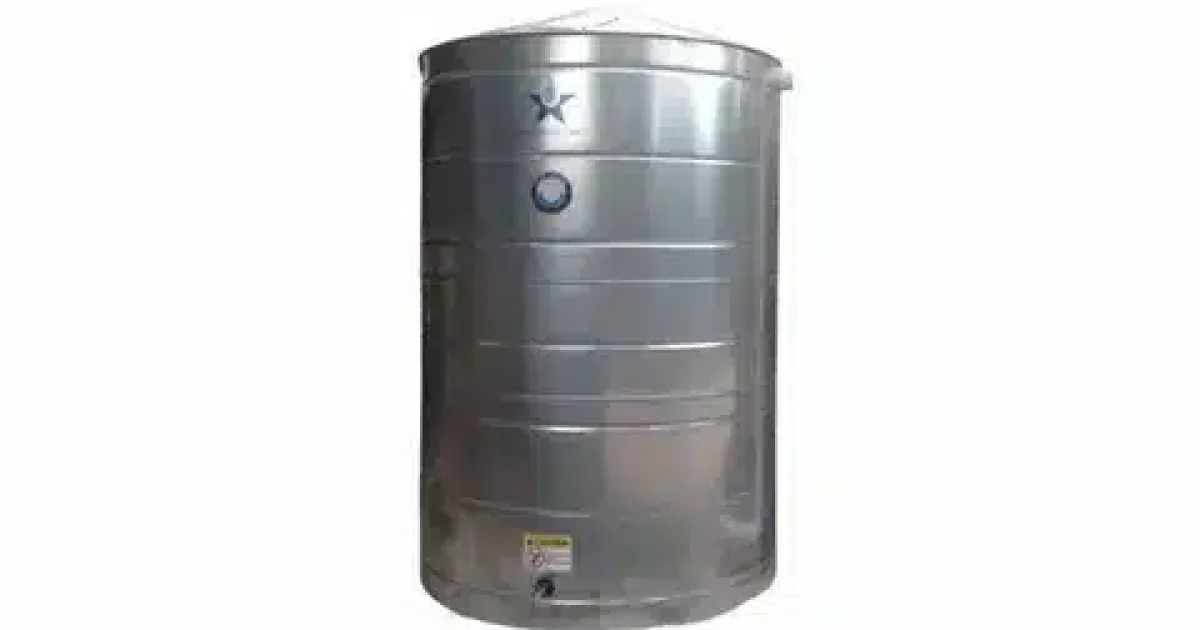
Choosing the right water tank is an important decision for homeowners, farmers, and businesses across New Zealand. Whether you’re collecting rainwater, storing emergency water, or ensuring a reliable supply for agricultural operations, investing in the right tank can save money, improve water security, and support sustainable water management.
New Zealand’s changing weather patterns, seasonal rainfall, and increasing demand for water have made reliable storage more important than ever. From rural farms to urban homes, water tanks are becoming a practical long-term solution.
In this comprehensive guide, you’ll learn everything you need to know before buying a water tank NZ, including the different types, materials, sizes, installation considerations, maintenance tips, and how to choose the best option for your specific needs.
Water storage plays a significant role throughout New Zealand. Many rural properties depend entirely on rainwater collection, while urban homeowners increasingly install tanks to reduce water bills and prepare for water restrictions.
Some of the biggest benefits include:
Whether you’re living in the countryside or in the suburbs, having a quality water storage system offers peace of mind throughout the year.
Selecting the correct tank starts with understanding the available options.
Plastic water tanks are among the most popular choices throughout New Zealand.
These tanks are available in numerous colours and capacities, making them suitable for residential, agricultural, and commercial applications.
Concrete tanks are ideal when maximum durability is required.
These tanks are often selected for large rural properties and commercial facilities.
Steel tanks combine strength with large storage capacity.
Modern steel tanks usually include protective liners to prevent corrosion and maintain water quality.
Underground installations help maximize available space while protecting stored water from sunlight.
Ideal for:
They also maintain cooler water temperatures throughout the year.
Tank capacity depends on several important factors Water Tanks NZ.
A family home generally requires storage based on:
Small households may only require modest storage, while larger homes relying entirely on rainwater need significantly greater capacity.
Agricultural properties often require much larger tanks to support:
Planning for seasonal demand is essential to avoid shortages during dry months.
Commercial water requirements vary depending on the industry.
Businesses commonly use water tanks for:
Choosing sufficient storage helps maintain uninterrupted operations.
Purchasing a water tank involves much more than choosing the largest size available.
Estimate your daily water consumption first.
Consider:
Accurate estimates prevent under-sizing or unnecessary overspending.
Different regions of New Zealand receive varying annual rainfall.
Properties in high-rainfall areas may need smaller storage, while drier regions benefit from larger reserve capacity.
Studying historical rainfall helps determine the ideal tank size.
Measure the installation location carefully.
Remember to allow room for:
Proper planning makes installation much easier.
Each material offers different advantages.
Plastic works well for most residential properties, while steel and concrete may be better suited for demanding commercial or agricultural environments.
Consider both initial purchase costs and long-term maintenance expenses.
Higher-quality tanks generally last longer and require fewer repairs over their lifetime.
Rainwater harvesting continues to grow in popularity throughout NZ.
The basic system includes:
This setup allows households and businesses to collect clean rainwater for multiple uses.
Rainwater harvesting offers numerous advantages.
Professional installation ensures maximum performance and longevity.
Every tank requires a stable, level base.
Common options include:
An uneven foundation can lead to structural problems over time.
Preventing debris from entering the tank significantly improves water quality.
Recommended components include:
These accessories reduce maintenance requirements.
Overflow pipes should safely direct excess water away from buildings and foundations.
Proper drainage protects both the property and the Water Tanks NZ
If stored water will supply household plumbing or irrigation systems, selecting the correct pump is essential.
Pump size depends on:
Routine maintenance extends tank life and protects water quality.
Inspect the tank annually.
Remove:
Professional cleaning may be recommended for drinking water systems.
Blocked gutters reduce water collection efficiency.
Clean them regularly, especially after storms or autumn leaf fall.
Look for:
Repairing small problems early prevents larger issues later.
If using stored water for drinking, regular testing ensures safety.
Quality filtration systems further improve water quality.
Many buyers make avoidable errors during the purchasing process.
Insufficient storage often leads to water shortages during dry periods.
Future water demand should always be considered.
Climate, rainfall, and site conditions greatly affect performance.
Choose a tank suited to your property’s environment.
The cheapest option isn’t always the most economical.
High-quality tanks often deliver decades of reliable service with minimal maintenance.
Incorrect installation may result in:
Professional installation protects your investment.
Homeowners install water tanks for many different reasons.
Popular household uses include:
Modern slimline tanks also fit neatly into smaller urban properties where space is limited.
Reliable water storage is critical for agricultural productivity.
Farm water tanks support:
Large-capacity tanks help maintain consistent water availability throughout changing seasons.
Commercial properties increasingly invest in water storage for operational efficiency.
Applications include:
Stored water can reduce operating costs while supporting business continuity during supply interruptions.
Water conservation has become a priority throughout New Zealand.
Installing water tanks contributes to sustainable resource management by:
Combining water storage with efficient irrigation and smart water usage creates lasting environmental benefits.
Not all suppliers offer the same level of quality or service.
Look for companies that provide:
Choose tanks manufactured using durable, food-grade materials where potable water storage is required.
A reputable supplier should offer tanks suitable for homes, farms, and commercial properties.
Professional advice helps ensure correct sizing, positioning, and installation.
Reliable warranties demonstrate confidence in product quality.
Positive customer feedback often reflects dependable products and excellent after-sales support.
Quality polyethylene tanks typically last over 20 years, while concrete and steel tanks can last considerably longer with proper maintenance.
Yes. With appropriate filtration, treatment, and maintenance, rainwater can be suitable for drinking depending on local regulations and water quality standards.
The ideal size depends on household size, annual rainfall, roof collection area, and daily water usage. Larger rural properties generally require greater storage capacity.
Yes. Regular inspections, gutter cleaning, sediment removal, and checking filters help maintain water quality and extend the life of the system.
Investing in the right water tank in NZ is a smart decision for homeowners, farmers, and businesses seeking a dependable and sustainable water supply. By considering factors such as storage capacity, material, installation requirements, local rainfall, and future water needs, you can choose a system that delivers reliable performance for many years.
Whether you’re installing a rainwater harvesting system for your home, expanding farm water storage, or improving water security for a commercial property, selecting a high-quality tank and maintaining it properly will provide lasting value. A well-planned water storage solution not only reduces reliance on mains water but also supports resilience during dry periods and contributes to more sustainable water management across New Zealand.