
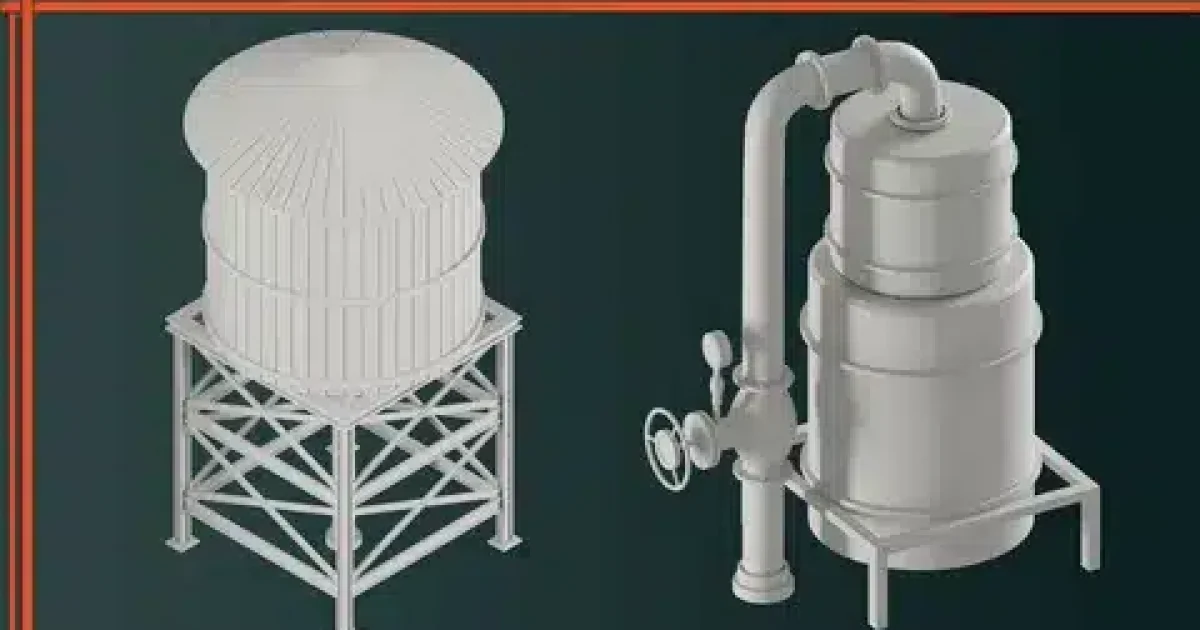
Industrial tanks play a critical role in manufacturing, water treatment, chemical processing, food production, agriculture, and many other industries. Selecting the right tank can improve operational efficiency, reduce maintenance costs, and ensure compliance with industry regulations.
This guide explains the key factors to consider when choosing an industrial tanks for your facility.
An improperly selected storage tank can lead to:
Choosing the correct tank design and material helps maximise service life and operational reliability.
The first step is identifying what the tank will store.
Common applications include:
Different materials require different tank construction methods and protective coatings.
The tank material significantly impacts durability and performance.
Benefits include:
Common industries:
Benefits include:
Common industries:
Benefits include:
Common industries:
Capacity planning prevents both underutilisation and future expansion challenges.
Consider:
Many facilities choose tanks with additional capacity to accommodate future expansion.
Installation conditions affect tank selection.
Factors include:
Outdoor tanks require:
Vertical tanks:
Horizontal tanks:
Different industries must comply with specific regulations and standards.
Examples include:
Working with experienced industrial tank manufacturers helps ensure compliance with applicable standards.
A well-designed industrial storage tank should allow:
Preventive maintenance extends tank lifespan and reduces downtime.
High-quality tanks offer several advantages:
Although premium tanks may require a higher initial investment, they often provide lower total ownership costs over time.
Industrial storage tanks are widely used in:
Each application requires specific engineering considerations and material selections.
Choosing the right industrial storage tank involves evaluating stored materials, capacity requirements, installation conditions, maintenance needs, and regulatory standards. A carefully selected tank can improve operational efficiency, reduce long-term costs, and support future business growth.
Before making a purchase decision, consult with experienced tank manufacturers and engineers to identify the most suitable solution for your facility’s specific requirements.
An industrial tanks is a large container designed to safely store liquids, chemicals, water, fuels, food-grade products, or other industrial materials. These tanks are used across manufacturing, chemical processing, agriculture, oil and gas, and water treatment industries.
Choosing the right tank depends on several factors, including:
The most common materials include:
Each material offers different benefits depending on the application and storage conditions.
Stainless steel tanks offer superior corrosion resistance and are ideal for food, beverage, and pharmaceutical industries. Carbon steel tanks are more cost-effective and commonly used for petroleum products, industrial liquids, and large-scale storage applications.
The lifespan of an industrial tank depends on the material, operating environment, maintenance practices, and stored product. Well-maintained tanks can often last 20 to 40 years or more.