
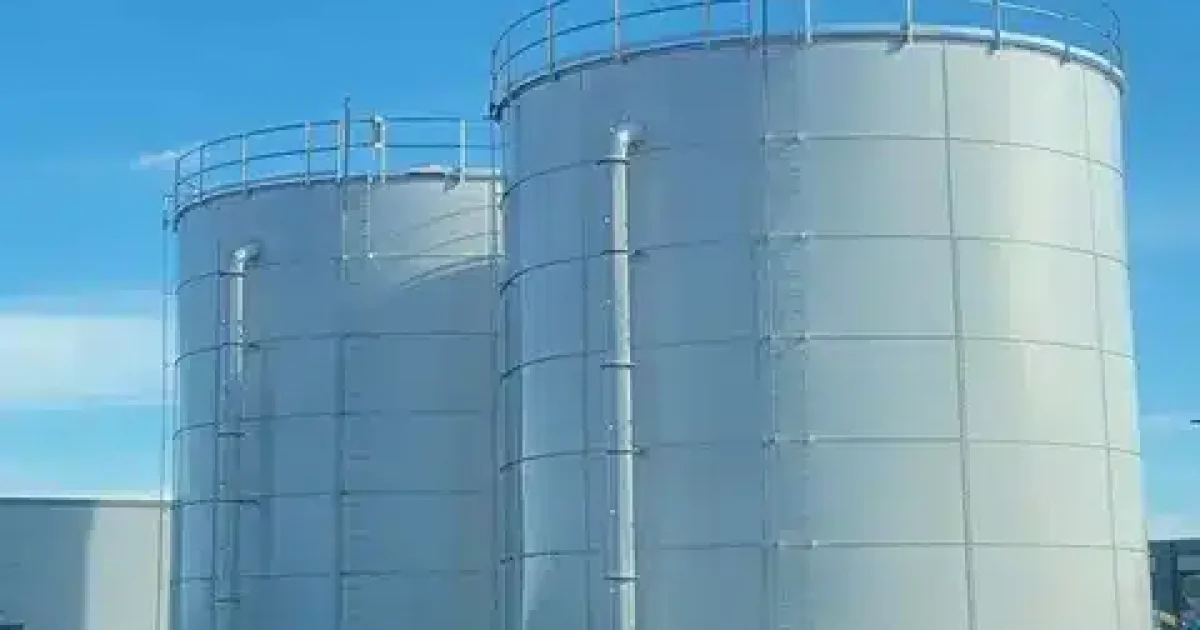
Collecting rainwater is a practical way for Auckland households and businesses to make better use of a naturally available resource. A well-designed water tank can provide water for gardens, outdoor cleaning, toilet flushing, laundry and other non-drinking purposes, depending on the system setup.
However, choosing the right tank involves more than selecting the largest model that fits your budget. Capacity, available space, roof catchment area, water usage, tank material, installation requirements, and ongoing maintenance all influence the performance of the system.
This Water Tanks NZ guide explains the main options available, including standard round tanks, slimline models, and underground systems. It also covers tank sizing, installation, and maintenance so you can choose a solution suited to your Auckland property.
Rainwater tanks allow property owners to collect water that would otherwise flow from the roof into gutters, drains, or stormwater systems. The stored water can then be used when required.
Interest in rainwater tanks NZ continues to grow because they can support more efficient household water use while providing an additional supply for suitable everyday tasks.
Using stored Water Tanks NZ for garden irrigation, washing vehicles, and cleaning outdoor areas can reduce the amount of treated mains water used around a property.
For households with larger gardens or frequent outdoor water needs, a properly sized tank can become a valuable part of everyday water management.
A rainwater tank makes it easier to store water during wet periods and use it during drier conditions. This can be especially useful for vegetable gardens, lawns, trees, and landscaped areas.
Connecting the tank to a suitable hose, gravity outlet, or pump can make garden watering more convenient.
Modern rainwater harvesting NZ systems can be incorporated into new builds, renovations, and existing properties. Tanks are available in different shapes, colors, and capacities, making it possible to design a system that works with the property rather than against it.
Stored rainwater can provide an additional source of water for appropriate non-potable uses. The usefulness of this backup depends on the tank capacity, recent rainfall, and the amount of water being consumed.
Rainwater should not automatically be treated as drinking Water Tanks NZ r. Systems intended to supply potable water require appropriate filtration, treatment, testing, and professional advice.
There is no single tank style that suits every home. The right option depends on the available space, required storage volume, property layout, and planned water uses.
Traditional round tanks are commonly chosen when there is enough open space beside a house, garage, shed or rural building.
Round tanks are available in a wide range of capacities and can be an economical choice when appearance and limited side access are not major concerns.
They may suit:
Lifestyle properties
Larger suburban sections
Commercial buildings
Sheds and workshops
Properties with open yard space
Before purchasing, measure both the installation area and the access route. A tank may fit in the final location but still be too large to move through a gate, driveway, or narrow side passage.
Slimline tanks are designed for properties where space is restricted. They are usually long and narrow, allowing them to sit beside a wall, fence, garage, or narrow side yard.
For many urban properties, slimline water tanks NZ provide a balance between useful storage capacity and efficient use of space.
A slimline tank may be suitable when you want to:
The tank still requires a stable and level foundation. Enough clearance should also be left for pipework, inspections, and maintenance.
Underground water tanks can provide substantial storage without occupying visible outdoor space. They may be considered during a new build, major renovation, or landscaping project.
An underground system normally requires excavation, appropriate structural support, access points, and a pump. Drainage conditions and vehicle loading must also be considered if the tank is installed near a driveway.
Because underground installation is more complex, professional planning is particularly important.
Above-ground water tanks are often easier to inspect, maintain, and install than underground systems. They can be connected directly to nearby downpipes and are available in round, slimline, and modular designs.
Their main limitation is the amount of visible space they occupy. Choosing a suitable shape and color can help the tank blend with the building or landscaping.
Tank capacity is one of the most important decisions when comparing water tanks Auckland property owners can install.
A tank that is too small may overflow frequently during heavy rain and empty quickly during dry periods. A tank that is unnecessarily large may cost more, occupy additional space and provide little extra value if the roof catchment is limited.
Start by deciding how the stored water will be used.
A smaller tank may be sufficient when the main purpose is watering pots, garden beds or a compact lawn.
A medium-sized tank may be more appropriate for garden irrigation, vehicle washing, outdoor cleaning and general property maintenance.
Using rainwater for toilets or laundry usually requires more detailed plumbing, reliable pumping, filtration and backflow protection. Professional installation is recommended to ensure the rainwater and mains water systems remain correctly separated.
The amount of water a property can collect depends on:
A larger roof can usually collect more water, but the system must be designed to direct that water efficiently into the tank.
Measure the proposed area carefully, including:
Do not rely only on the tank’s advertised dimensions. Allow room for inlet pipes, overflow fittings, valves and other components.
Water Tanks NZ demand often increases during dry weather, particularly when gardens need more frequent watering. At the same time, less rainfall may be available to refill the tank.
Choosing a capacity should therefore be based on both expected collection and expected use, rather than rainfall alone.
A tank is only one part of an effective rainwater collection system. The quality and reliability of the complete setup depend on how each component works together.
Gutters should direct roof water efficiently towards the tank. Blocked, damaged or incorrectly sloped gutters may reduce collection and introduce unwanted debris.
Leaf guards can help prevent larger material from entering the system, although they do not remove the need for regular gutter cleaning.
A first-flush diverter is designed to redirect the initial flow of water from the roof. This first runoff may contain dust, leaves, bird droppings and other contaminants collected between rainfall events.
The diverter must be sized, installed and maintained correctly to remain effective.
An inlet screen helps stop leaves, insects and larger debris from entering the tank. Screens should fit securely and be easy to inspect and clean.
Every tank needs a properly designed overflow. Once the tank reaches capacity, excess water must be directed to an appropriate discharge point.
Poorly planned overflow can cause erosion, pooling, dampness or damage around the tank base.
Gravity may be enough for some basic garden applications, particularly when the outlet is positioned above the area being watered. Other systems require water tank pumps to provide suitable pressure.
Pump selection depends on the required flow rate, pressure, pipe length, height difference and number of connected outlets.
The level of filtration required depends on how the water will be used. Basic outdoor use may need screening and debris control, while indoor or potable applications require more advanced treatment.
A qualified professional should design any system intended to supply drinking water.
Correct installation helps protect the tank, surrounding property and connected equipment.
A full water tank is extremely heavy. The base must be level, smooth, stable and capable of supporting the tank’s full operating weight.
The exact foundation requirements depend on the tank design and manufacturer’s instructions. Common options may include a properly prepared compacted base or reinforced concrete pad.
Check that the delivery vehicle can reach the property and that the tank can be moved safely to its final location.
Overhead cables, narrow gates, steep driveways, fences and neighbouring structures may affect delivery.
Pipework should be supported so that it does not place unnecessary stress on the tank fittings. The overflow must also be large enough and directed away from foundations or areas where water could cause damage.
Professional water tank installation Auckland services can help with site preparation, plumbing, pump setup and system testing.
Installation requirements may vary depending on tank size, location, plumbing connections and intended use. Before beginning work, check current Auckland Council requirements and speak with a qualified installer where necessary Water Tanks NZ .
This is especially important for underground tanks, systems connected to indoor plumbing and tanks positioned near property boundaries or buildings.
Regular water tank maintenance supports water quality and helps the system operate efficiently.
Remove leaves, dirt and other debris from gutters, downpipes, inlet screens and leaf guards. The required cleaning frequency will depend on nearby trees, roof conditions and seasonal weather.
Look for:
Small issues are generally easier to address before they affect the rest of the system.
First-flush diverters need regular emptying and cleaning. A blocked or neglected diverter may stop working effectively.
Follow the manufacturer’s maintenance instructions for pumps, filters and treatment equipment. Filters should be cleaned or replaced at the recommended intervals.
One common mistake is selecting a Water Tanks NZ based only on price. A low-cost tank may not be the most suitable option if it has the wrong capacity, shape or fittings for the property.
Other mistakes include:
Taking time to design the complete system can prevent expensive changes later.
A Water Tanks NZ reliable supplier should help you compare tank styles, capacities, and accessories based on the property rather than recommending the same solution for every customer.
Ask potential suppliers about:
For complex systems, look for experience with residential water tanks, pumps, filtration and Auckland installation conditions.
A slimline tank is often suitable for a small urban section because it can fit beside a house, garage or fence. The best model still depends on available space, required capacity and delivery access.
Rainwater may be used for selected indoor non-potable purposes when the system is designed and installed correctly. Suitable plumbing, filtration, pumping, backflow protection and mains-water separation may be required.
Potable use requires more advanced treatment, testing and professional advice.
There is no single cleaning schedule that suits every system. Inspection frequency depends on roof condition, surrounding trees, water use, filtration and sediment accumulation.
Gutters, screens and first-flush devices should be checked regularly, while professional water tank NZ cleaning may be required when significant sediment or contamination is present.
Slimline and round Water Tanks NZ can both provide effective rainwater storage. The key differences are usually capacity, shape, available space, installation requirements and cost.
A slimline tank is often more practical for narrow urban spaces, while a round tank may offer greater capacity where more land is available.
The best rainwater tank NZ is one that matches your available space, roof catchment, water demand and long-term plans.
Begin by identifying how you want to use the collected water. Then measure the site, estimate an appropriate storage capacity and compare round, slimline and underground options. Do not overlook the importance of the tank base, overflow, inlet screening, pump selection and maintenance access.
With thoughtful planning and professional Water Tanks NZ installation where required, a rainwater tank can become a practical and valuable addition to an Auckland home, business or lifestyle property.