
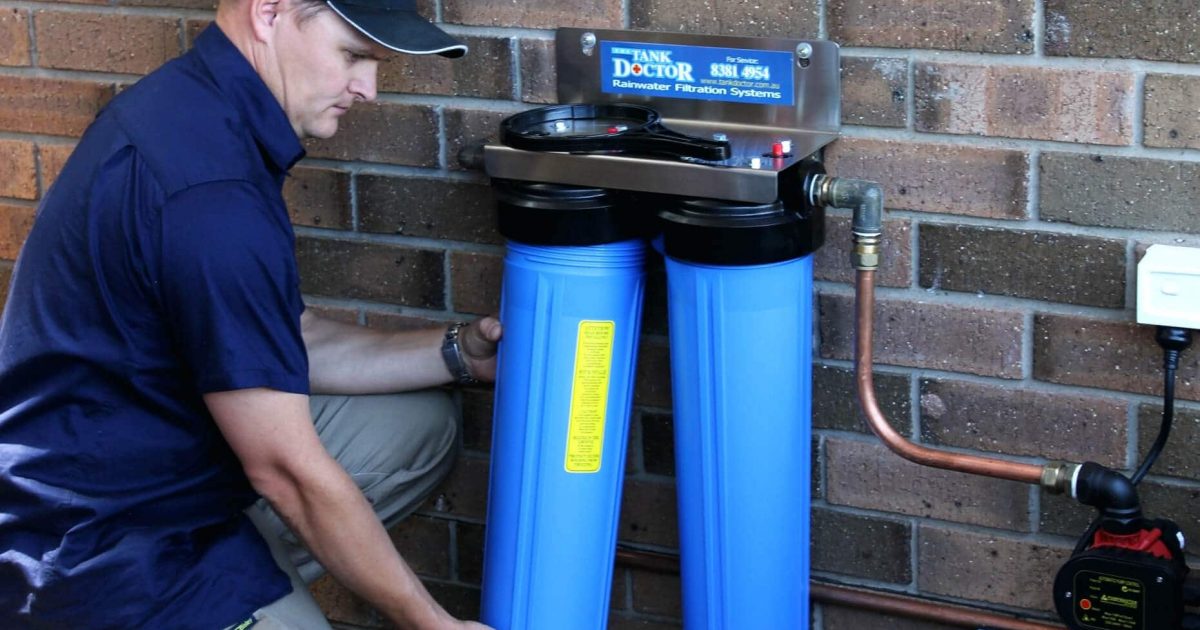
Clean water is something most of us take for granted. We turn on the tap expecting it to be safe, clear, and ready to drink. While municipal treatment facilities do an excellent job of meeting regulatory standards, that doesn’t always guarantee the water arriving at your faucet is free from unwanted contaminants, unpleasant tastes, or aging infrastructure issues. Residential water filtration systems offer an added layer of protection and peace of mind. Beyond improving taste, they can positively impact your health, your home, and even your budget. In this guide, we’ll explore the real, practical benefits of installing a water filtration system and why so many homeowners see it as an investment in healthier living.
Before exploring the benefits, it’s helpful to understand what these systems actually do.
A residential water filtration system is designed to remove impurities, contaminants, and unwanted substances from your home’s water supply. These systems can be installed:
At a single point of use (like under the kitchen sink)
At the point of entry (treating all water entering your home)
As countertop or pitcher-style filters
Each option serves a different purpose depending on your water quality and household needs.
Even treated water may contain: Chlorine and chloramine (used for disinfection), sediment and rust from aging pipes. Heavy metals, such as pesticides or agricultural runoff (in certain regions). Hard minerals like calcium and magnesium. Microplastics or trace pharmaceutical residues. While many of these are within legal safety limits, long-term exposure or poor taste can still raise concerns for homeowners.
One of the most immediate and noticeable benefits of water filtration is improved water quality.
Chlorine is often added to municipal water supplies to kill bacteria. Although effective, it can leave behind an unpleasant taste or smell. Filtration systems reduce these chemicals, resulting in water that tastes cleaner and fresher. This small improvement often encourages families to drink more water throughout the day—supporting better hydration and overall wellness.
Filtered water is typically clearer, with fewer visible particles or sediment. Removing rust and debris improves not only the appearance but also the confidence you feel when filling a glass or cooking a meal.
Clean water plays a central role in daily health. From cooking to bathing, the quality of water influences more than we might realize.
Certain filtration systems are designed to reduce: For households with children, pregnant women, or elderly family members, minimising exposure to these substances adds an important layer of precaution.
When water tastes good, people naturally drink more of it. Staying well-hydrated supports digestive health, cognitive function, energy levels, and Skin clarity. A filtration system can indirectly improve overall well-being simply by making water more enjoyable to consume.
Water is a key ingredient in many meals—from boiling pasta to washing fresh produce.
Filtered water ensures you’re not introducing unwanted chemicals or sediment into soups, sauces, or beverages like coffee and tea.
The flavor of coffee, tea, and even rice can be noticeably affected by the minerals and chemicals present in tap water. Many homeowners find that once they install a filtration system, their meals and drinks taste better and more balanced.
Water quality affects more than just what you drink—it impacts your entire home.
Hard water contains high levels of calcium and magnesium. Over time, these minerals can cause scale buildup inside: Filtration systems designed to reduce hardness help extend the lifespan of these appliances.
Sediment and chemical imbalances may contribute to pipe corrosion over time. By improving overall water quality, filtration systems help protect your plumbing infrastructure and reduce the likelihood of costly repairs.
Many homeowners report noticeable improvements in their skin and hair after installing filtration systems.
Chlorine and hard minerals can strip natural oils from the skin, leading to dryness and irritation. Filtered water is often gentler, making showers and baths more comfortable—especially for individuals with sensitive skin.
Improved Hair Texture
Hard water can leave hair feeling brittle or dull. Reducing mineral content may result in softer, shinier hair and better performance from shampoos and conditioners.
Environmental Benefits
Switching to a residential water filtration system can also reduce your environmental footprint.
Fewer Plastic Bottles
When you trust your tap water, there’s less need to purchase bottled water. This reduces:
Plastic waste, transportation emissions, and manufacturing demand. Over time, this small shift contributes to meaningful environmental impact.
Sustainable Household Practices
Filtered tap water supports eco-friendly habits, such as using reusable water bottles and cooking more meals at home instead of relying on packaged beverages.
While there is an upfront cost associated with installing a filtration system, many homeowners find it financially beneficial in the long run.
A family that regularly purchases bottled water can spend hundreds—or even thousands—of dollars per year. A filtration system often pays for itself by eliminating that recurring expense.
By minimising scale buildup and sediment damage, you may: Extend appliance lifespan. Reduce maintenance needs, avoid premature replacements. Over several years, these savings add up significantly.
Perhaps one of the most overlooked benefits is the sense of security a filtration system provides.
Confidence in Daily Use
From brushing your teeth to filling your child’s water bottle, knowing your water is filtered adds reassurance to everyday routines.
Water quality varies by region. A properly selected filtration system can be customised to address specific local concerns, ensuring your home receives appropriate treatment.
Choosing the right system depends on your goals and water conditions.
Installed at the point where water enters the home, these systems treat all water used for drinking, bathing, and cleaning. They are ideal for households looking for comprehensive coverage.
Installed beneath a kitchen sink, these provide filtered water for drinking and cooking without treating the entire house supply.
These systems use a semi-permeable membrane to remove a wide range of contaminants. They are known for delivering highly purified drinking water.
Carbon filters are effective at reducing chlorine, odors, and certain organic compounds, making them a popular and affordable option.
Water is fundamental to life. It touches nearly every aspect of your daily routine—from the meals you prepare to the showers you take. While public systems provide treated water, residential water filtration systems offer an additional safeguard tailored to your home’s needs. The benefits extend far beyond taste. Cleaner water supports long-term health, protects your plumbing, enhances comfort, reduces environmental impact, and offers lasting peace of mind.
A residential water filtration system is a device or setup installed in your home to improve water quality by reducing contaminants, sediment, chemicals, and unwanted odors. Depending on the type, it can filter water at a single tap or treat the entire home’s water supply.
Municipal water treatment facilities follow safety regulations, but treated water can still contain chlorine, trace contaminants, or sediment from aging pipes. A home filtration system adds an extra layer of protection and can improve taste, clarity, and overall quality.