
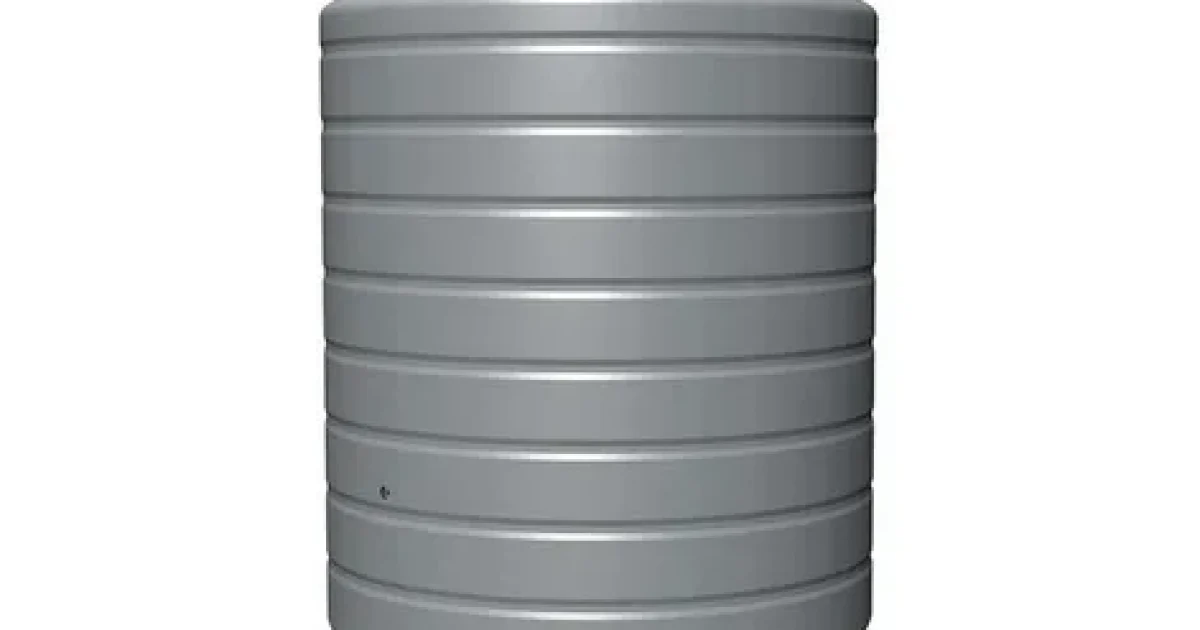
Choosing the right water tank size NZ homeowners often face can be confusing, especially when you are comparing 1,000L, 2,000L and 5,000L options.
The short answer is simple: 1,000L is generally suitable for smaller outdoor uses, 2,000L gives you a larger reserve for gardens and general outdoor use, while 5,000L is a better option when you need substantial rainwater storage for a home, rural property or larger garden.
However, the right tank depends on more than capacity. Your roof area, rainfall, water usage, available space and whether the tank will supply indoor or outdoor water all need to be considered.
| Tank Size | Best For | Ideal Use |
|---|---|---|
| 1,000L water tank | Smaller properties and gardens | Garden watering, outdoor cleaning and supplementary storage |
| 2,000L water tank | Larger gardens and outdoor use | Irrigation, gardening and additional water storage |
| 5,000L water tank | Homes, rural properties and larger water requirements | Rainwater harvesting, household applications and larger gardens |
There is no one-size-fits-all answer when choosing water tank sizes NZ. The best option is the tank that gives you enough storage for your needs without taking up unnecessary space or costing more than required.
Before choosing between a 1,000L water tank NZ, 2,000L or 5,000L NZ water tank model, think about how you intend to use the water.
A tank used only for watering a small garden has very different requirements from a tank supplying toilets, laundry or an entire rural property.
A 1,000L water tank NZ option can be a practical choice when you need a relatively small amount of stored water.
It is commonly suitable for:
One of the biggest advantages of a 1,000L tank is its relatively compact size. It can be easier to install where outdoor space is limited, making it worth considering for urban homes and smaller sections.
If you already have mains Water Tank Size NZ and simply want to collect rainwater for the garden, 1,000L may be enough.
A 2,000L water tank NZ provides twice the storage capacity of a 1,000L tank, making it a useful middle option.
It can be suitable for:
The main benefit is having a larger reserve between rainfall events Water Tank Size NZ.
For example, if you use rainwater regularly for garden irrigation during summer, 2,000L gives you more flexibility than a 1,000L tank without requiring the space of a 5,000L model.
For many homeowners, this makes a 2,000L tank a good compromise between storage capacity, installation space and cost.
A 5,000L water tank NZ is worth considering when water storage is more important to your property.
It can be suitable for:
A 5,000L tank provides a significantly larger reserve than 1,000L or 2,000L.
However, bigger does not automatically mean better.
If your roof catchment is small or your water demand is low, a 5,000L tank may not provide enough additional benefit to justify the extra space and installation requirements.
Choosing the right rainwater tank size involves looking at several factors together.
Your roof is what collects rainwater.
The larger the roof area connected to the tank, the more water you can potentially collect.
As a simple guide, 1mm of rainfall over 1 square metre of roof represents approximately 1 litre of water before allowing for collection losses.
This means roof size is an important consideration when planning rainwater storage NZ.
A 5,000L tank may make sense on a property with a large roof catchment but may be excessive for a small shed or garage roof.
Rainfall varies significantly across New Zealand.
A property in a wetter area may be able to replenish its tank regularly, while a property that experiences long dry periods may need substantially more storage.
This is particularly important when comparing rainwater tanks NZ for rural and lifestyle properties.
Don’t just look at total annual rainfall. Consider when the rain falls and whether your area regularly experiences extended dry periods.
Think about what the stored water will actually supply.
For outdoor use, consider:
For household use, consider:
The more applications connected to your tank, the more storage you are likely to need.
Some homeowners want rainwater mainly to reduce mains-water use.
Others want a reserve that can last through periods of low rainfall.
If having stored water available during a dry spell is important to you, a larger tank can provide a useful buffer.
This is one reason a 5,000L water tank can be more appropriate than a 1,000L tank for some properties.
For a small garden, a 1,000L water tank can provide useful supplementary storage.
For a medium-sized garden, 2,000L may offer a better balance.
For larger gardens, extensive vegetable gardens or regular irrigation, 5,000L can provide a much greater reserve.
There is no fixed rule because water demand varies between properties.
If you use automatic irrigation, for example, your summer water consumption may be considerably higher than someone who only waters plants occasionally.
Rural properties often have greater water requirements than typical urban homes.
You may have a larger roof, garden, workshop, irrigation system or other outdoor water needs.
In these situations, rural water tanks NZ suppliers may offer much larger options than 5,000L.
If rainwater is your property’s primary or sole domestic water supply, a 5,000L tank should not automatically be considered sufficient.
The required capacity should be calculated using your household water consumption, roof catchment, local rainfall and expected dry periods.
Yes, but the tank capacity alone does not determine whether it is suitable.
A 5,000L tank can be used as part of a household rainwater system, but the system also needs appropriate plumbing, pumps, filtration and, where required, water treatment.
If rainwater is intended for drinking or food preparation, additional requirements apply because the water needs to be suitable for potable use.
For homes connected to both mains water and rainwater, the system also needs appropriate backflow protection and plumbing design.
Rainwater storage and wastewater storage are two different applications.
If you are searching for wastewater tanks NZ, the tank should be sized according to the wastewater system rather than using the same calculations as a rainwater tank.
Wastewater storage can depend on:
If your project involves wastewater, septic or effluent storage, get the system assessed before choosing the tank capacity.
Selecting the correct water storage tanks NZ capacity is only the first step.
You also need to consider where and how the tank will be installed.
A full tank can be extremely heavy.
For example, 5,000 litres of water weighs approximately 5,000kg, before adding the weight of the tank itself.
The tank therefore needs a suitable and stable base that meets the manufacturer’s installation requirements.
Measure the installation area before ordering.
Don’t forget to allow room for:
A tank may fit on paper but still be difficult to install or maintain if the surrounding area is too tight.
If stored rainwater is being supplied to indoor fixtures, you may require a pump to provide suitable water pressure.
The pump should be selected according to the system requirements rather than simply choosing the largest available model.
Your tank can only collect the water that reaches it.
Make sure the relevant roof area is connected correctly and that gutters and downpipes are maintained.
Blocked gutters can reduce collection efficiency and introduce unwanted debris into the tank.
Not every water tank installation requires building consent, but the requirements depend on factors such as tank capacity, installation height and how the tank is supported.
Additional requirements can also apply if the tank is connected to a building’s plumbing.
For example, a rainwater system connected to a property that also has mains water needs to be designed to prevent contamination of the mains supply.
Because requirements can vary depending on the project, check the current rules with your local council and relevant professionals before installation.
Price should not be your only consideration.
A smaller tank may cost less initially but could leave you without enough stored water when you need it.
The biggest tank is not always the best choice either.
You need enough roof catchment and water demand to make effective use of the additional capacity.
A tank that works well during wet months may not provide enough reserve during a prolonged dry period.
Think about your seasonal water demand before choosing your tank.
Every tank needs a suitable overflow arrangement.
Plan where excess water will go when the tank reaches capacity.
Tanks, gutters, filters, pumps and associated components require maintenance.
Make sure your installation allows reasonable access for inspection and cleaning.
If you are still unsure about your water tank size NZ, this quick guide can help:
Choose 1,000L if you mainly need water for a small garden, outdoor use or supplementary storage.
Choose 2,000L if you have a larger garden or want a bigger reserve without moving to a large tank.
Choose 5,000L if you need substantial rainwater storage for a home, rural property, larger garden or selected household applications.
Consider a larger tank if rainwater is going to be your primary or sole water supply.
The most important thing is to size the tank around your property rather than choosing a capacity simply because it is popular.
The right water tank size NZ homeowners need will depend on how much water they collect, how much they use, and how long they need their stored water to last.
For basic outdoor use, 1,000L water tanks can be a practical choice.
For more garden and outdoor storage, 2,000L water tanks provide additional capacity.
For larger properties and more significant rainwater storage, 5,000L water tanks can be a better starting point.
If you’re unsure, consider your roof catchment, local rainfall, water usage, available space and whether the water will be used indoors or outdoors before making your decision.
Whether you’re a homeowner, builder, developer, rural property owner, business or DIY customer, choosing the right tank can make a significant difference to how useful your stored water will be.
If you’re comparing Water Tank Size NZ options and aren’t sure whether 1,000L, 2,000L or 5,000L is right for your property, speak with a reputable local tank supplier or installer. They can help you assess your site, intended use, available space and installation requirements before you buy.
Contact [Your Company Name] today to discuss your water storage requirements and find the right tank size for your NZ property.
A 1,000L tank is generally better suited to supplementary or outdoor use than supplying an entire household. Household demand and local rainfall should be considered before selecting a tank.
It depends on how the water is being used. A 2,000L tank can work well for garden watering and supplementary storage, but a larger tank may be required if rainwater supplies multiple household uses.
It can provide useful household storage in some circumstances, but it is not automatically enough for every property. Areas with dry periods and households with high water consumption may require more storage.
A 1,000L tank can suit smaller gardens, while 2,000L or 5,000L may be better for larger gardens and more regular irrigation.
There is no universal best size. The right water tank size NZ depends on your roof catchment, rainfall, water demand, intended use and available installation space.
Rainwater can be used as potable water when the collection, storage, filtration and treatment system is appropriately designed and maintained. Additional requirements apply to potable water systems.
Not necessarily. Consent requirements depend on the tank and how it is installed. Always check current requirements with the relevant local council before starting work.
No. A larger tank provides more storage, but it also requires more space and a suitable installation area. If your roof catchment or water demand is small, a very large Water Tank Size NZ may not provide much additional benefit.