
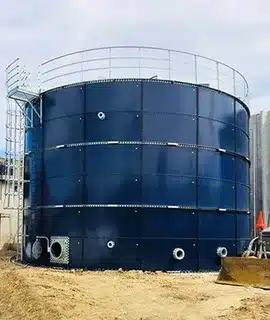
Fire safety is one of the most critical considerations in modern building design, whether for residential complexes, commercial spaces, or industrial facilities. Among the core components of any fire protection system, fire tanks play a vital role in ensuring a reliable and immediate water supply during emergencies.
Without a dedicated firefighting water storage system, even the most advanced fire suppression technologies—such as sprinklers and hydrants—may fail when they are needed most. This guide provides a comprehensive overview of fire water tanks, including their types, working principles, materials, capacity requirements, installation guidelines, and maintenance practices.
A fire tank is a specially designed storage unit that holds water exclusively for firefighting purposes. Unlike domestic or potable water tanks, these systems are reserved solely for emergency use and must always maintain a minimum water level to ensure readiness.
Firewater tanks are typically integrated with:
Fire sprinkler systems
Fire hydrant systems
Fire hose reels
Fire pump system
Their primary purpose is to guarantee instant access to water, especially in situations where the municipal water supply is insufficient or unavailable.
Understanding the different types of fire water tanks is essential for selecting the right system based on building requirements, space availability, and fire risk levels.
Underground tanks are installed below ground level and are commonly used in urban environments where space is limited. These tanks offer temperature stability and protection from environmental damage.
Key advantages:
Space-saving design
Reduced exposure to external conditions
Ideal for large buildings and complexes
Above-ground tanks are installed on the surface and are easier to access for inspection and maintenance.
Benefits include:
Lower installation costs
Faster setup
Easy maintenance and repair
They are widely used in industrial facilities and warehouses.
Elevated fire tanks are positioned at a height, allowing water to flow through the system using gravity. This ensures immediate water pressure without relying entirely on pumps.
Advantages:
Instant water pressure
Reliable during power outages
Efficient for smaller buildings
Steel fire protection tanks are known for their durability and strength, making them ideal for industrial and large-scale applications.
Features:
Long lifespan
Corrosion-resistant coatings
Suitable for high-capacity storage
Concrete fire tanks are robust and highly durable, often used in permanent installations.
Benefits:
Excellent fire resistance
Long-term durability
Low maintenance requirements
Firewater tanks function as part of an integrated fire protection system. Their operation involves several coordinated components:
Water Storage: The tank stores a dedicated volume of water reserved for firefighting.
Detection System Activation: When a fire is detected, the system triggers alarms and activates pumps.
Pump Operation: Fire pumps draw water from the tank and increase pressure.
Distribution: Water is delivered through pipes to sprinklers, hydrants, or hose reels.
Fire Suppression: The system releases water to control or extinguish the fire.
This setup ensures a continuous and uninterrupted water supply, even if the main water source fails.
Determining the correct tank capacity is crucial for effective fire protection. The required size depends on multiple factors:
Building type and size
Fire hazard classification
Local fire safety regulations
Duration of water supply needed
International standards such as NFPA (National Fire Protection Association) provide detailed guidelines for fire water storage requirements. Always consult local codes and fire safety engineers for accurate calculations.
The choice of material significantly affects the tank’s durability, cost, and maintenance needs.
Steel: Strong, durable, and suitable for large tanks
Concrete: Long-lasting and fire-resistant
Fiberglass (FRP): Lightweight and corrosion-resistant
Plastic (HDPE): Affordable and suitable for smaller systems
Each material offers unique benefits, and the selection should be based on environmental conditions, budget, and intended use.
Investing in a properly designed fire water tank system offers numerous advantages:
These benefits make fire tanks a critical component of modern safety infrastructure.
Regular maintenance is necessary to keep fire water tanks in optimal condition.
Inspect for leaks, cracks, or corrosion
Clean the tank periodically
Test fire pumps and valves
Monitor water levels consistently
Ensure all connections are functioning properly
Routine inspections help prevent system failures during emergencies.
Selecting the appropriate fire tanks requires careful evaluation of several factors:
Capacity requirements based on building size
Available installation space
Material durability and lifespan
Budget constraints
Compliance with fire safety standards
Working with a qualified fire protection engineer ensures that your system meets all regulatory and operational requirements.
Choosing insufficient tank capacity
Ignoring local fire safety regulations
Poor maintenance practices
Incorrect installation location
Using non-durable materials
Avoiding these mistakes can significantly improve system reliability and safety.
Fire tanks are an essential element of any comprehensive fire protection system. They provide a dependable and immediate water source, ensuring that firefighting systems function effectively during emergencies.
Whether you are designing a new building or upgrading an existing fire safety system, investing in the right fire water tank is crucial for protecting lives, property, and infrastructure. By understanding the different types, materials, and requirements, you can make informed decisions that enhance safety and ensure compliance with regulations.
A fire water tank is used to store water specifically for firefighting systems such as sprinklers, hydrants, and hose reels, ensuring immediate response during fire emergencies.
The required size depends on building type, fire risk, and local regulations. Residential buildings may need 5,000–50,000 liters, while industrial facilities may require over 200,000 liters
Yes, in many regions, fire tanks are mandatory for commercial, industrial, and large residential buildings to meet fire safety regulations.
A fire tank is reserved exclusively for firefighting and must always remain full, while a domestic tank is used for daily water needs.
Fire tanks should be inspected at least every 6 to 12 months, along with regular checks of pumps and system components.