
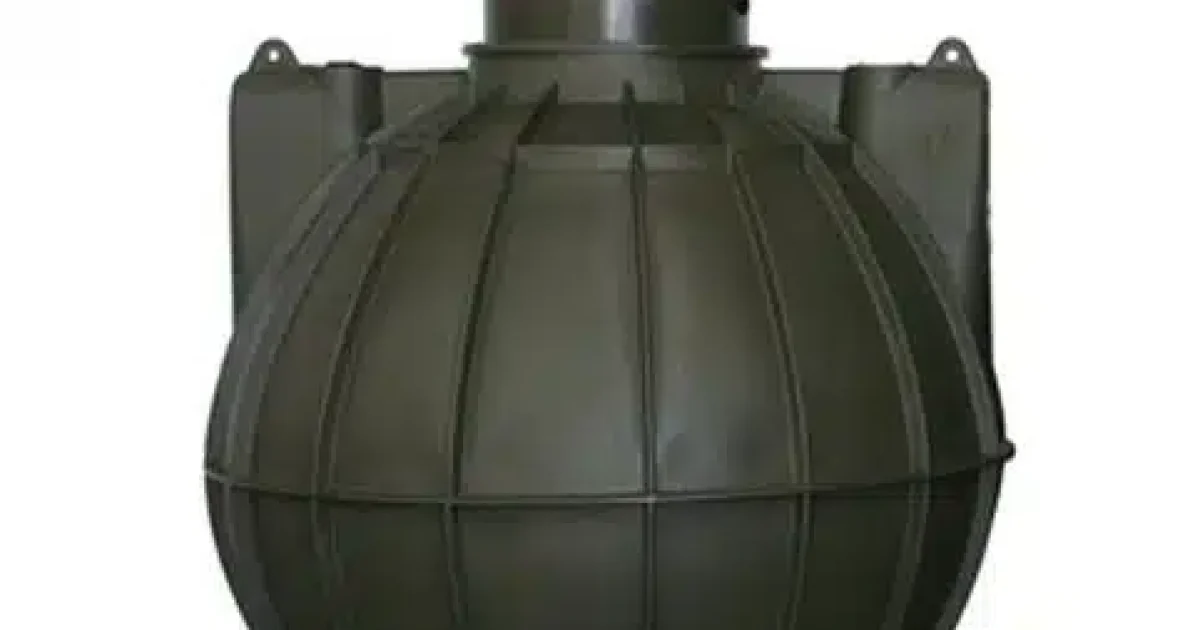
For homes and businesses across New Zealand, a duly maintained Wastewater and Septic Tank system is essential for guarding property value, public health, and the terrain. Whether you live in a pastoral life block, manage a marketable kitchen, or enjoy a domestic property outside the main seamster network, regular conservation ensures your system operates efficiently time- round. New Zealand’s soil conditions, downfall patterns, and council regulations make correct system care indeed more important. This companion explains how to maintain your Wastewater and Septic Tank system duly for long- term trustability and compliance.
Numerous parcels across pastoral andsemi-rural New Zealand calculate on on- point Wastewater and Septic Tank treatment systems rather than council seamster connections.
A typical setup may include
Septic tank( primary treatment)
Pump chamber( for leaned or delicate spots)
Drainage field or disposal system
Grease trap( for marketable kitchens)
New Zealand conditions similar as heavy rain, complexion soils, and high water tables can place fresh pressure on wastewater systems. That’s why correct installation and regular servicing are critical. A well- designed Wastewater and Septic Tank system separates solids from liquids, allows natural bacterial treatment, and safely disperses treated effluent into the ground.
Routine conservation prevents expensive system failures. Common Problem. Blocked pipes and drainage fields. Sewage backups into homes
Environmental impurity. Council compliance issues. Ignoring conservation can lead to major repairs that bring significantly further than routine servicing. In New Zealand’s pastoral areas especially, a neglected Wastewater and Septic Tank can damage girding soil and aqueducts, creating environmental and legal problems.
Solid waste builds up over time and must be professionally removed. General NZ Guidelines
Standard menage( 2 – 4 people) Every 3 – 5 times
Larger homes Every 2 – 3 times
High-operation pastoral parcels may bear further frequent servicing. Factors that impact pump- eschew frequency include water operation, menage size, and system capacity. Regular pump-outs keep your Wastewater and Septic Tank performing properly and extend the life of your drainage field. Examining Your Septic System
Check for Secure and sealed tank lids. No cracks or visible structural damage. No sewage odours near the tank. Sot, stable ground above the system
No pooling water. Still, test the pump and alarm system periodically if your property uses a pump chamber. hear for unusual sounds and ensure electrical factors remain dry. Professional examinations every many times give added peace of mind.
Still, eatery, takeaway shop, If you operate a café. Fats, canvases, and grease( FOG) can block plumbing and damage wastewater systems.
Drawing grease traps based on operational volume. Noway is pouring cooking oil painting into cesspools. Scraping plates before washing. Proper grease disposal. Original councils in New Zealand have marketable kitchens to maintain grease traps to avoid wastewater blockages and environmental detriment.
One of the biggest causes of septic failure is improper waste disposal. Noway flush or drain
“ Flushable ” wipes, Aseptic products, Nappies, Paper apkins
cuisine fats and canvases
Harsh chemicals. Septic systems calculate on natural bacteria to break down waste. Chemicals andnon-biodegradable accoutrements disrupt this process and reduce effectiveness. Guarding your Wastewater and Septic Tank starts with simple everyday habits.
Your system’s performance depends on guarding the land above it. Avoid Parking buses or heavy ministry over tanks, structures, shanties, balconies, or driveways on top. Planting deep-embedded trees near. New Zealand’s soil movement and seasonal downfall formerly produce pressure resistance. Adding redundant weight can damage pipes and tanks over time. Keep the area accessible for conservation and examinations.
Too much water entering the system too quickly can overload it. Helpful practices. Spread laundry loads throughout the week. from oohing gates or toilets incontinent
Install water-efficient appliances. Avoid draining gym pools into the system. Balanced water inflow allows solids to settle duly and prevents gratuitous strain on pumps and drainage fields. Water conservation benefits both your property and the terrain.
Recognising early warning signs can help prevent major damage. Watch for Slow rain spouts guggling sounds, and sewage smells
Lush green lawn over the drainage area. Pooling water near the tank still, arrange a professional examination instantly, If you notice any of these issues. Delaying repairs can lead to drainage field failure, which is far more costly to fix.
Each council in New Zealand has its own wastewater operation conditions. Proper conservation ensures Safe effluent disposal. Environmental protection Compliance with original council norms. Reduced threat of forfeitures. When dealing with property, proven servicing records also add value and buyer confidence. A biddable Wastewater and Septic Tank system protects both your investment and the surrounding terrain.
Long- term trust ability begins with quality products designed for NZ conditions. When opting for septic tanks or pump chambers, consider. Durable polyethylene construction, Resistance to erosion. Felicity for original soil types. Ease of conservation access Compliance with NZ norms. Investing in high-quality wastewater products reduces long- term conservation costs and improves system lifetime.
Maintaining your Wastewater and Septic Tank system doesn’t have to be complicated. With regular examinations, listed pump-outs, responsible operation habits, and quality outfit, your system can operate efficiently for decades. water responsibly
How frequently should a septic tank be pumped in New Zealand?
utmost domestic septic tanks should be pumped every 3 – 5 times, depending on ménage size and water usage.
What are the warning signs of septic system problems?
Slow rainspouts, sewage odours, guggling pipes, or pooling water near the tank are common signs your system needs examination.
Can I put wipes or cooking oil painting into my septic system?
No. Wipes, aseptic products, fats, and harsh chemicals can block or damage your wastewater and septic tank system