
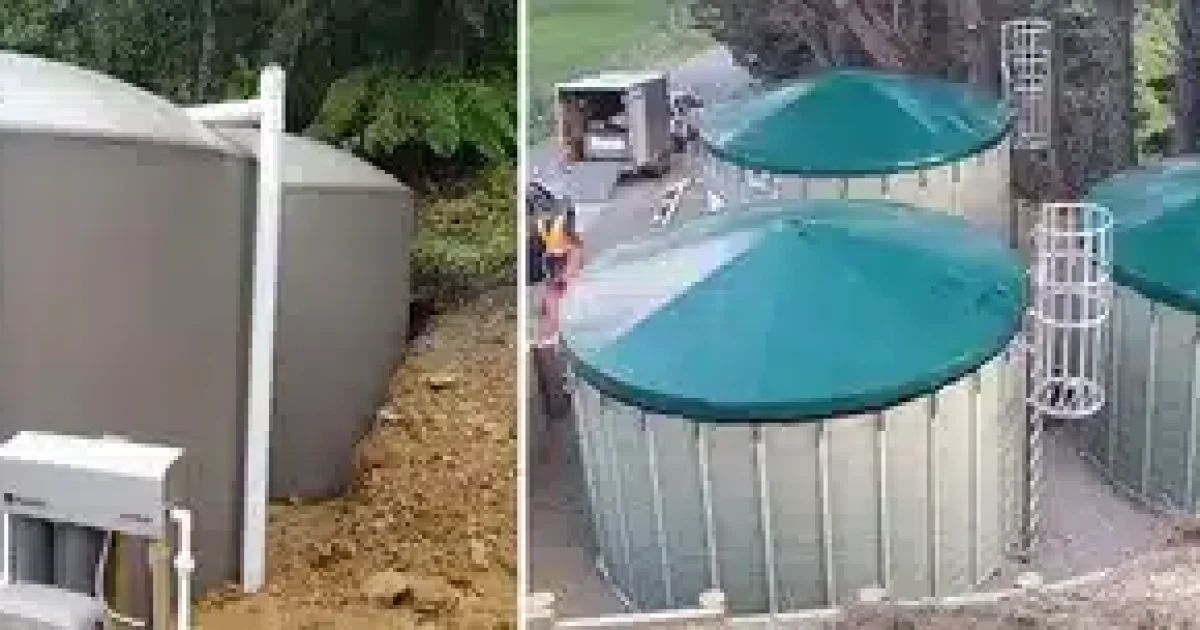
Rainwater tanks NZ are becoming an increasingly popular choice for New Zealand homeowners who want a reliable, practical, and sustainable way to manage water. Whether you live rurally, own a lifestyle block, or simply want to reduce pressure on mains water, the right rainwater tank can make a big difference.
In many parts of New Zealand, changing weather patterns, summer water restrictions, rising utility costs, and growing awareness around sustainability have made water storage more important than ever. A well-chosen rainwater tank can help you collect roof runoff, store water for everyday use, support your garden, and provide backup supply during dry periods.
This guide explains everything you need to know about rainwater tanks NZ, including tank types, sizes, materials, installation considerations, maintenance, and how to choose the best system for your home.
New Zealand is known for its natural beauty and clean environment, but water availability is not always as simple as it seems. Some regions receive high rainfall, while others regularly experience dry summers and water restrictions.
Rainwater tanks NZ allow homeowners to collect and store water from rooftops. This stored water can then be used for gardens, lawns, toilets, laundry, outdoor cleaning, stock water, or even household drinking water when the system is properly filtered and maintained.
For rural homes, rainwater harvesting is often essential. For urban homes, it is becoming a smart way to reduce reliance on council supply.
Many parts of NZ experience seasonal dry spells. A rainwater tank gives you extra water when you need it most, especially for gardens, landscaping, and outdoor use.
Instead of relying only on mains water during peak demand, homeowners can use stored rainwater to keep their property running smoothly.
Using Rainwater Tanks NZ helps reduce demand on public water infrastructure. It can also reduce stormwater runoff, which may help lower pressure on drainage systems during heavy rainfall.
For eco-conscious homeowners, installing a rainwater collection system is a simple step toward a more sustainable home.
Choosing a Rainwater tanks NZ is not only about storing water. It is about improving your home’s resilience, saving resources, and making smarter use of natural rainfall.
If your household is connected to a metered water supply, using rainwater for non-drinking purposes may help reduce water usage and lower bills. Even using stored rainwater for gardens, washing cars, or flushing toilets can make a noticeable difference over time.
A water storage tank can provide peace of mind during water restrictions, emergencies, or supply interruptions. This is especially valuable for homes in rural and semi-rural areas where mains water may not be available.
Rainwater is naturally soft and does not contain the same treatment chemicals often found in mains water. Many gardeners prefer rainwater for plants, vegetables, fruit trees, and lawns.
A rainwater tank can support many household and lifestyle needs, including irrigation systems, animal water troughs, outdoor taps, and cleaning equipment. For lifestyle blocks and farms, larger water tanks can be an important part of everyday property management.
Before choosing a tank, it is important to understand how you plan to use the water. Your intended use will affect tank size, filtration needs, pump requirements, and installation setup.
This is one of the most common reasons people install rainwater tanks New Zealand. Stored rainwater can be used for:
For garden-only use, a smaller tank may be enough, depending on your property size and rainfall.
Rainwater can also be connected to parts of the home for non-potable use, such as:
This usually requires a more planned installation, including plumbing, pumps, and sometimes council compliance checks.
In rural NZ, many homes rely on rainwater tanks as their main household water source. If rainwater is used for drinking, cooking, or bathing, it must be properly collected, filtered, and treated.
A safe drinking water system may include leaf screens, first flush diverters, sediment filters, UV treatment, and regular tank maintenance.
Rainwater tanks NZ come in different shapes, sizes, and materials. The best option depends on your space, budget, water needs, and property layout.
Plastic tanks, often made from polyethylene, are widely used across New Zealand. They are lightweight, durable, and available in many sizes.
Plastic rainwater tanks are popular because they are:
They are a strong choice for homeowners looking for affordable and practical water storage.
Concrete tanks are known for strength and long service life. They are often used for larger underground or rural water storage systems.
Concrete may be suitable if you need a large-capacity tank, want underground installation, or prefer a heavy-duty permanent solution. However, they usually cost more to install and may require more site preparation.
Steel tanks are another option for NZ homes and farms. They can offer a traditional look and are often used for larger storage needs.
Modern steel tanks are usually coated for corrosion resistance, but they still require proper installation and care. They may suit rural properties, agricultural use, or homeowners wanting a specific appearance.
Slimline tanks are ideal for urban homes where space is limited. They are designed to fit along fences, beside garages, or in narrow side yards.
A slimline tank is a good choice for smaller sections, townhouses, and homes where a round tank would take up too much space. They work well for garden watering and outdoor household use.
Underground tanks are installed below the surface, saving visible space and preserving the look of your property.
They are discreet and space-saving, but installation is more complex. Excavation, drainage, access points, and maintenance planning are important factors.
Tank size is one of the most important decisions. A tank that is too small may run out quickly, while a tank that is too large may cost more than necessary.
The larger your roof area, the more rainwater you can collect. A large roof can fill a tank faster, especially in regions with regular rainfall.
Ask yourself how you plan to use the water. A small garden tank may only need a few hundred to a few thousand litres. A full household supply may require a much larger tank, often tens of thousands of litres.
Rainfall varies significantly across New Zealand. Some areas receive frequent rain, while others have long dry periods. Your region’s rainfall pattern should influence your tank size.
If you want backup water during summer, choose a tank with enough capacity to support your needs between rainfall events. Rural homes should be especially careful when calculating storage requirements.
There is no one-size-fits-all solution, but some sizes are common for residential and rural use.
Small tanks are often used for gardens, patios, and outdoor taps. They may suit homes with limited space or homeowners wanting a simple water-saving option.
Medium-sized tanks are suitable for larger gardens, laundry use, toilet flushing, or general household backup. They offer a good balance between storage capacity and space requirements.
Large rainwater tanks are commonly used on rural properties, lifestyle blocks, farms, and homes that rely on rainwater as their main water source. These systems often require pumps, filtration, and careful maintenance.
Not all tanks are the same. When comparing rainwater tanks NZ suppliers offer, look beyond price and consider quality, durability, and long-term performance.
New Zealand has strong UV conditions, so outdoor tanks should be UV-stabilised to prevent sun damage and material breakdown.
If water may be used for household purposes, choose a tank made from food-grade material. This is especially important for drinking water systems.
A quality warranty gives confidence that the tank is designed to last. Check what is covered and for how long.
A tank should be sealed properly to help keep out leaves, insects, animals, and debris. Inlet screens and covers are essential for cleaner water storage.
Your tank needs a properly designed overflow system to direct excess water away from foundations, paths, and problem drainage areas.
Proper installation is just as important as choosing the right tank. A poorly installed tank can cause problems with stability, water quality, and performance.
The tank should be close to downpipes, accessible for maintenance, and positioned on stable ground. Consider how it will look, how much space it needs, and whether vehicles or equipment need access.
Most above-ground tanks need a level, compacted base. Common options include concrete pads, compacted sand, or crusher dust, depending on the tank type and supplier recommendations.
Rainwater flows from your roof into gutters and then through downpipes into the tank. Clean gutters and good leaf protection help improve water quality.
If you need pressure for taps, toilets, laundry, or irrigation, you may need a rainwater tank pump. Gravity-fed systems may work in some situations, but many homes require a pump for reliable water flow.
Rules can vary depending on your region, tank size, property type, and whether the water is used inside the home. It is always worth checking local council requirements before installation.
Water quality depends on how rainwater is collected, stored, and used.
Basic leaf screens and gutter maintenance may be enough for garden watering and outdoor cleaning.
If rainwater is used inside the home, better filtration is usually needed. This may include sediment filters, carbon filters, or other treatment options.
Rainwater intended for drinking should be treated carefully. Many NZ homes use UV filtration systems to help make tank water safer for consumption.
A complete rainwater harvesting system may include:
Rainwater tanks are relatively low maintenance, but they should not be ignored. Regular care helps protect water quality and extend the life of the system.
Leaves, dirt, bird droppings, and roof debris can enter your tank if gutters are not maintained. Cleaning gutters regularly is one of the easiest ways to improve tank water quality.
Inspect inlet screens, leaf guards, and filters to make sure they are not blocked. Blockages can reduce water flow and affect system performance.
Look for cracks, leaks, loose fittings, or signs of damage. Also check the lid is secure and the overflow is working properly.
Over time, sediment can build up at the bottom of the tank. Professional tank cleaning may be needed occasionally, especially for drinking water systems.
Both options can work well, but they suit different homes.
Above ground tanks are easier to install, inspect, and maintain. They are usually more affordable and available in many styles and sizes.
Above ground tanks are ideal for gardens, rural homes, lifestyle blocks, and homeowners wanting a cost-effective installation.
Underground tanks save space and keep the system hidden. They are often used when visual appearance or land use is a priority.
Underground tanks suit properties with limited outdoor space, new builds, or landscaping projects where the tank needs to be concealed.
The cost of rainwater tanks in NZ depends on size, material, installation, accessories, and whether plumbing or filtration is required.
Your total cost may include:
A simple garden tank may be relatively affordable, while a large household rainwater system will require a bigger investment.
Rather than choosing only the cheapest tank, consider durability, warranty, water quality, and suitability for your property. A high-quality tank that lasts for years often provides better value than a low-cost option that does not meet your needs.
A good supplier should help you choose the right tank, not just sell you the biggest one.
Choose a supplier that offers:
Before buying, ask:
A reliable supplier should help calculate the right capacity.
Not all tanks are intended for potable water use.
Correct base preparation is essential for tank stability.
Check whether outlets, lids, screens, and overflow fittings are included or sold separately.
Rural homes often depend heavily on stored rainwater. In these cases, tank selection is especially important.
Rural households may need large water tanks to support drinking, bathing, laundry, gardens, animals, and firefighting reserves.
Many rural properties use more than one tank for better storage security. Multiple tanks can provide flexibility and reduce the risk of running out of water.
When rainwater is the main household supply, filtration and UV treatment are strongly recommended. Regular testing and maintenance also become more important.
Urban homeowners are also choosing rainwater tanks to reduce water use and improve sustainability.
Slimline tanks, wall tanks, and compact garden tanks are popular for smaller sections.
Even a modest tank can provide useful water for gardens, lawns, and outdoor cleaning during dry weather.
Many tanks now come in colours and styles that blend with fences, landscaping, and exterior walls.
For many New Zealand homes, rainwater tanks NZ are a smart and practical investment. They help reduce reliance on mains water, support gardens, provide backup during dry periods, and make better use of natural rainfall.
The best rainwater tank for your home depends on your location, roof size, water needs, available space, and budget. Whether you need a small garden tank, a slimline urban solution, or a large rural water storage system, taking time to choose the right setup will give you better long-term results.
The right size depends on your roof area, local rainfall, household water use, and whether the tank is for garden use or full home supply. Small tanks may suit garden watering, while rural homes often need much larger tanks.
Yes, but only if the system is properly designed, filtered, treated, and maintained. Drinking water systems usually require good roof collection practices, filters, UV treatment, and regular water testing.
Requirements vary by council, tank size, installation type, and whether the water is connected to the home. Check with your local council before installing a rainwater tank.
High-quality polyethylene tanks are commonly used in New Zealand. Look for UV-stabilised, food-grade tanks designed for outdoor conditions.
It depends on water use, roof condition, surrounding trees, and filtration. Gutters and screens should be checked regularly, while tank cleaning may be needed every few years or sooner for drinking water systems.