
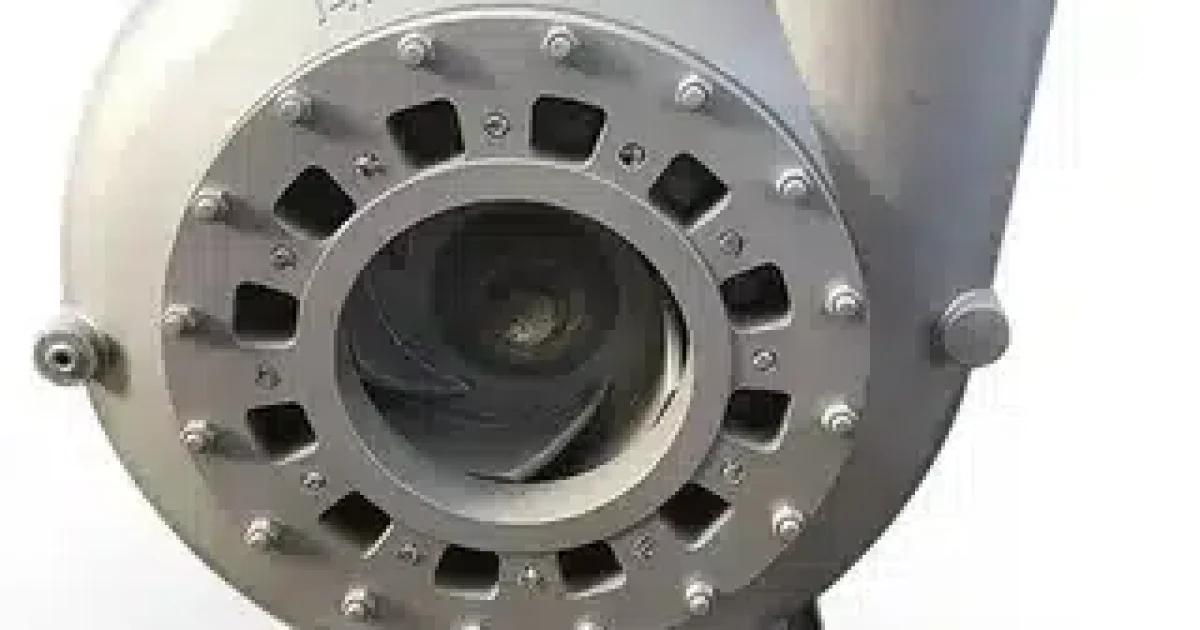
Pump chambers play a crucial role in modern water management systems, yet they often go unnoticed. Whether used in residential drainage, commercial wastewater systems, or industrial applications, pump chambers ensure the efficient movement of liquids from one location to another—especially when gravity alone isn’t enough.
If you’ve ever wondered how water is transported uphill, how basements stay dry, or how wastewater systems function smoothly, pump chambers are a big part of the answer.
Let’s explore what pump chambers are, how they work, and why they are essential in today’s infrastructure.
A Pumps Chambers is a specially designed container or enclosure that houses pumps and related components. Its main purpose is to collect and temporarily store liquid—such as water, sewage, or wastewater—before pumping it to a higher elevation or another location.
Pump chambers are commonly used in situations where gravity-based flow is not possible, such as:
In simple terms, a pump chamber acts as a holding and transfer point within a fluid system.
The working principle of a pump chamber is straightforward but highly effective.
Collection – Liquid flows into the chamber from pipes or drains.
Storage – The chamber holds the liquid until it reaches a certain level.
Activation – A float switch or sensor detects the liquid level.
Pumping – The pump activates and moves the liquid to the desired location.
Discharge – The liquid exits through an outlet pipe.
This automated process ensures consistent and reliable fluid movement without manual intervention.
Pump chambers are not one-size-fits-all. Different systems require different designs depending on the type of liquid and application.
Used in homes for basement drainage, septic systems, and greywater management. These are typically compact and easy to maintain.
Designed to handle rainwater runoff, especially in urban areas prone to flooding. These chambers help prevent water accumulation and damage.
Specifically built for transporting wastewater and sewage. They are durable, sealed, and designed to handle solids.
Used in factories and processing plants for handling chemicals, wastewater, or other liquids. These systems are often more complex and heavy-duty.
A pump chamber system consists of several essential parts working together:
Pump – The core component that moves liquid
Float switch or sensors – Detect liquid levels and trigger the pump
Inlet and outlet pipes – Allow fluid to enter and exit
Control panel – Manages operation and safety
Check valves – Prevent backflow
Chamber structure – The container itself, often made of plastic, fiberglass, or concrete
Each component plays a vital role in ensuring efficiency and reliability.
Pump chambers offer several advantages that make them indispensable in modern systems.
They allow liquids to be transported against gravity, making them ideal for complex terrains.
By managing excess water, pump chambers help reduce the risk of flooding.
From homes to industrial sites, pump chambers can be adapted for various needs.
Modern systems operate automatically, reducing the need for manual monitoring.
In sewage systems, they help maintain hygiene by efficiently transporting waste.
The durability of a pump chamber depends heavily on the materials used.
Choosing the right material depends on the application, budget, and environmental conditions.
Installing a pump chamber requires careful planning to ensure optimal performance.
Professional installation is often recommended, especially for complex systems.
Like any mechanical system, pump chambers require regular maintenance.
Proper maintenance not only extends the lifespan of the system but also prevents costly repairs.
Even well-designed pump chambers can encounter issues.
Pump failure
– Often caused by wear and tear or electrical issues
Clogging
– Due to debris or improper waste disposal
Float switch malfunction
– Leads to improper activation
Power outages
– Can disrupt system operation
Pump chambers are vital in many areas of infrastructure:
As cities grow and environmental challenges increase, the demand for efficient water management solutions continues to rise.
Technology is transforming pump chamber systems in exciting ways:
These innovations are making pump chambers more reliable, sustainable, and cost-effective.
Pump chambers may not always be visible, but their impact is undeniable. From preventing floods to ensuring proper wastewater management, they are a cornerstone of modern infrastructure.
Understanding how pump chambers work—and choosing the right system—can make a significant difference in efficiency, safety, and long-term performance.
Frequently Asked Questions (FAQ)
A pump chamber is used to collect and transfer water, wastewater, or sewage when gravity flow isn’t possible. It helps move liquids to higher elevations in drainage and wastewater systems.
A pump chamber collects liquid until it reaches a certain level. A float switch or sensor then activates the pump, which moves the liquid through an outlet pipe to another location.
Pump chambers are typically installed in residential basements, septic systems, commercial buildings, and industrial sites. They are also widely used in stormwater and drainage systems.
A sump pump is a device used to remove water from a sump pit, usually in basements. A pump chamber, on the other hand, is a larger system that houses pumps and manages the collection and transfer of various liquids, including wastewater.
Yes, pump chambers are often essential in septic systems, especially when the drain field is located at a higher elevation. They ensure wastewater is properly transported for treatment.
Pump chambers are commonly made from polyethylene (plastic), fibreglass, or concrete. Each material offers different benefits in terms of durability, cost, and resistance to corrosion.