
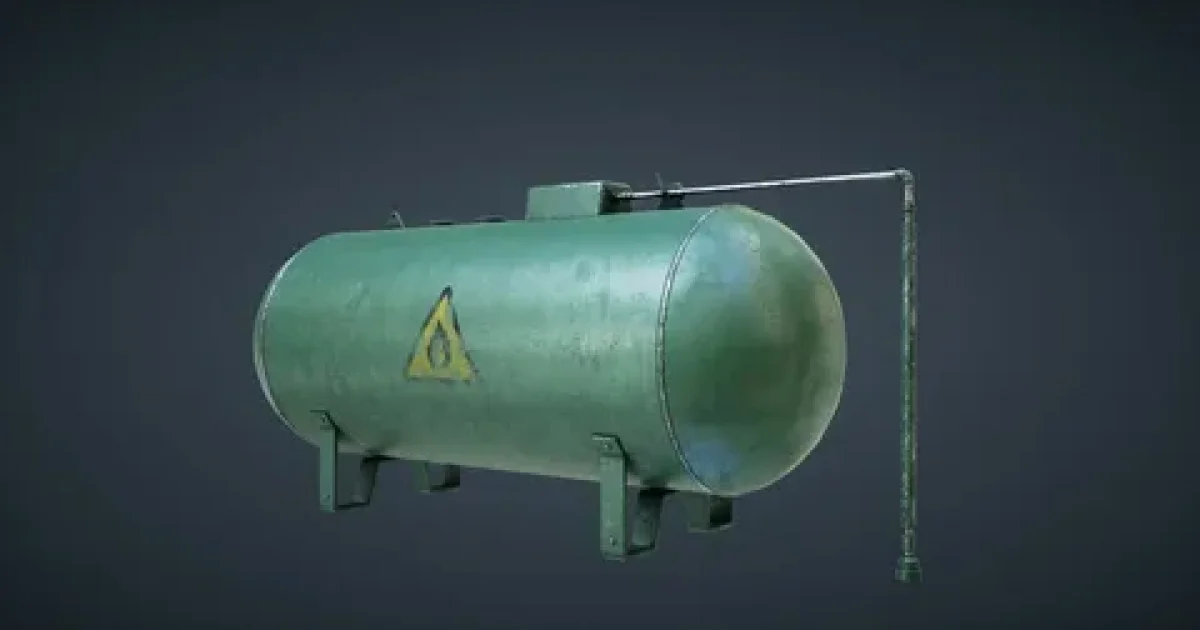
Water storage is not just a backup option for many New Zealand businesses. For farms, factories, commercial properties, construction sites, processing facilities and large rural operations, it is part of daily operations. When water demand is high, a standard household tank is usually not enough. Businesses need industrial tanks that can handle larger volumes, tougher environments and long-term use without constant maintenance issues.
Industrial tanks are designed for heavy-duty water storage where strength, capacity and reliability matter. Whether the tank is being used for rainwater harvesting, process water, irrigation, washdown areas, fire reserve storage or general site supply, choosing the right tank can help a business operate more efficiently and avoid unnecessary disruption.
Across New Zealand, water availability, site conditions and compliance needs can vary from region to region. That is why businesses should look beyond price alone and consider tank size, material, placement, durability and long-term performance before making a decision.
Industrial tanks support businesses that cannot afford to run short of water. A reliable storage system helps keep operations moving, especially in industries where water is used every day.
For agricultural businesses, tanks can support stock water, irrigation, dairy shed washdown and rainwater collection. For factories and manufacturing sites, stored water may be needed for cleaning, cooling, processing or emergency use. For construction companies, water tanks can support temporary site needs where mains supply is limited or unavailable.
Commercial properties also benefit from larger water storage systems. Warehouses, workshops, schools, council facilities, transport yards and horticultural businesses often need more capacity than a small domestic tank can provide.
A well-chosen industrial tank helps reduce pressure on mains supply, supports better water management and gives businesses more control over their resources.
Not every large tank is suitable for industrial use. Industrial tanks are generally designed with stronger materials, larger storage capacities and more practical installation options. They are built to manage higher usage demands and tougher site conditions.
Industrial water tanks are usually available in higher-capacity options than residential tanks. This makes them suitable for businesses that need bulk water storage for regular use or emergency reserves.
The right size depends on the business type, water usage, available space and whether the tank will be connected to rainwater collection, bore water, mains water or another supply source.
Industrial sites can be demanding. Tanks may be exposed to strong sunlight, wind, uneven ground, machinery movement and changing weather conditions. Heavy-duty tanks are built to withstand these pressures over time.
Durable construction helps reduce the risk of cracks, leaks, deformation and premature replacement.
Industrial tanks are often designed with features that make installation and operation easier. These may include larger access points, strong fittings, overflow options, inlet and outlet placements, and compatibility with pumps or site plumbing.
Good design matters because a tank should not only store water. It should also fit smoothly into the way the site operates.
Industrial tanks can be used across many sectors. The best tank setup depends on the site, water source and intended use.
Farms often require dependable water storage for livestock, irrigation, cleaning and general operations. Industrial tanks can help rural properties store larger volumes of water and reduce reliance on short-term supply.
For farms in areas with seasonal dry periods, large water tanks can provide important backup storage. They can also support rainwater harvesting systems, helping businesses make better use of natural rainfall.
Manufacturing businesses may use water for production, cleaning, cooling or equipment operation. A reliable storage tank helps maintain workflow and supports better control over water availability.
For some sites, water interruptions can lead to downtime, missed production targets or extra operating costs. Industrial tanks help reduce that risk by providing a stored supply when needed.
Construction sites often need temporary or semi-permanent water storage. Tanks may be used for dust suppression, concrete work, cleaning, staff facilities or equipment washdown.
Because construction environments can be rough, tanks used on these sites must be strong, practical and easy to access.
Commercial and public facilities may require water tanks for landscaping, maintenance, cleaning, emergency backup or stormwater management. Schools, warehouses, depots, workshops and large business sites can all benefit from suitable commercial water storage.
Some businesses need water storage for fire protection or emergency planning. A dedicated tank reserve can provide added security, especially for rural or industrial sites where immediate water access may be limited.
When tanks are intended for fire reserve use, businesses should check local requirements and ensure the system is suitable for the intended purpose.
Choosing an industrial tank should be based on real site needs, not guesswork. A tank that is too small may fail to support operations, while a tank that is poorly placed can create installation and access problems.
Start by looking at how much water your business uses and when it is needed most. A farm may have seasonal demand changes, while a factory may need consistent water every working day.
Consider daily usage, peak demand, backup requirements and future business growth. It is better to plan for practical long-term use than to choose a tank that only meets today’s minimum need.
The site layout affects the type and size of tank that can be installed. Some properties have wide open areas suitable for large round tanks. Others may need slimline, modular or low-profile options to fit limited spaces.
Access for delivery, installation equipment and future maintenance should also be considered. A tank may look suitable on paper but become difficult to manage if it is placed in the wrong location.
Industrial tanks may be made from different materials, including polyethylene, steel, concrete or fibreglass. Each material has its own advantages depending on the use case.
Polyethylene tanks are popular for many water storage applications because they are lightweight, durable and resistant to corrosion. Steel tanks can suit very large installations and commercial applications. Concrete tanks may be used where underground or permanent storage is required.
The best choice depends on water type, volume, budget, site conditions and expected lifespan.
A tank is only one part of the water storage system. Inlets, outlets, valves, pumps, filters, overflow systems and pipework all affect performance.
For business use, fittings should be strong enough for regular operation. Poor-quality connections can lead to leaks, pressure problems or maintenance issues later.
Industrial tanks offer more than simple water storage. When selected correctly, they can support operational efficiency, cost control and long-term resilience.
Stored water gives businesses more independence. This is especially valuable for rural sites, high-use operations or locations where mains supply is limited.
Having water available on-site can reduce delays and help businesses manage demand more confidently.
Parts of New Zealand can experience seasonal dry conditions. A larger water storage system can help businesses prepare in advance rather than reacting when supply becomes tight.
For farms and outdoor operations, this can be especially important.
Industrial tanks can be connected to roof catchment systems to collect rainwater from large buildings, sheds or warehouses. This water can then be used for suitable non-drinking applications, depending on filtration and system setup.
Rainwater harvesting can reduce reliance on mains water and make better use of available resources.
A well-built tank may cost more upfront than a basic option, but it can provide better value over time. Strong construction, proper installation and suitable capacity can reduce maintenance issues, improve performance and avoid early replacement.
For businesses, reliability often matters more than the cheapest initial price.
New Zealand conditions can be challenging. UV exposure, coastal air, strong winds, uneven rural land and changing temperatures can all affect outdoor storage systems.
A heavy-duty industrial tank should be selected with local conditions in mind. For coastal areas, corrosion resistance may be important. For rural or exposed properties, wind rating, anchoring and base preparation may need careful attention. For high-sun areas, UV-stabilised materials can help protect the tank over time.
Good installation is just as important as tank quality. Even a strong tank can fail early if it is placed on an unsuitable base or connected incorrectly.
Before ordering an industrial tank, businesses should check several practical details.
The tank needs a stable, level and suitable base. This may be compacted sand, concrete or another recommended foundation, depending on the tank type and size.
A poor base can cause stress on the tank, leading to movement, cracking or structural problems.
Make sure there is enough access for delivery vehicles and installation equipment. Also consider whether the tank location allows easy inspection, cleaning and maintenance.
The tank should be positioned where it supports the site’s water flow and plumbing layout.
Industrial tanks need proper overflow planning. When heavy rain fills the tank, excess water must be directed safely away from buildings, foundations and work areas.
Good drainage protects both the tank and the surrounding site.
Some systems need a pump to move water from the tank to the point of use. The pump should be matched to the required flow rate and pressure.
For commercial sites, poor pump selection can cause weak pressure, inefficient operation or equipment strain.
Industrial tanks are generally low-maintenance when installed correctly, but they should not be ignored. Regular checks help protect water quality and extend tank life.
Inspect the tank for visible damage, leaks or movement. Check fittings and pipe connections. Keep inlet screens, filters and overflow points clear. Remove debris from roof catchments if the tank is used for rainwater harvesting.
Depending on the use, the tank may also need periodic cleaning. Businesses using stored water for sensitive applications should follow appropriate water quality and filtration practices.
Water storage can also support sustainability goals. Many businesses are looking for ways to reduce waste, use resources more efficiently and improve resilience.
By collecting and storing rainwater, businesses can reduce demand on treated mains water for tasks where potable water is not required. This may include washdown, irrigation, landscaping or certain site operations.
For large properties with significant roof area, industrial tanks can turn rainfall into a practical resource. This makes water storage not only a business necessity but also part of smarter environmental management.
A business may need an industrial tank if the current water supply is limiting daily operations. Common signs include frequent water shortages, pressure issues, reliance on temporary storage, growing water demand or the need for backup supply.
A larger tank may also be useful if the business is expanding, adding new equipment, increasing stock numbers, improving site facilities or planning for dry periods.
Instead of waiting until water becomes a problem, businesses should review storage needs early and choose a system that supports future growth.
Industrial tanks play an important role in reliable water storage for New Zealand businesses. From farms and factories to commercial sites and construction projects, the right tank can support daily operations, reduce supply risks and provide long-term value.
The best industrial tank is not always the largest or cheapest option. It is the one that matches the site, water demand, operating environment and future business needs. By considering capacity, material, placement, fittings and installation quality, businesses can invest in a water storage system that performs reliably for years.
Industrial tanks are used for bulk water storage across farms, factories, construction sites, commercial properties and processing facilities. They can support irrigation, washdown, production, fire reserve storage, rainwater collection and general site water supply.
The right size depends on your daily water use, peak demand, available space, water source and backup requirements. Businesses should also consider future growth before choosing tank capacity.
Yes, industrial tanks can be connected to large roof catchment systems to collect and store rainwater. The stored water can be used for suitable applications depending on filtration, plumbing and water quality requirements.
The best material depends on the site and intended use. Polyethylene, steel, concrete and fibreglass tanks all have different benefits. For many businesses, durability, corrosion resistance, capacity and installation requirements are key deciding factors.