
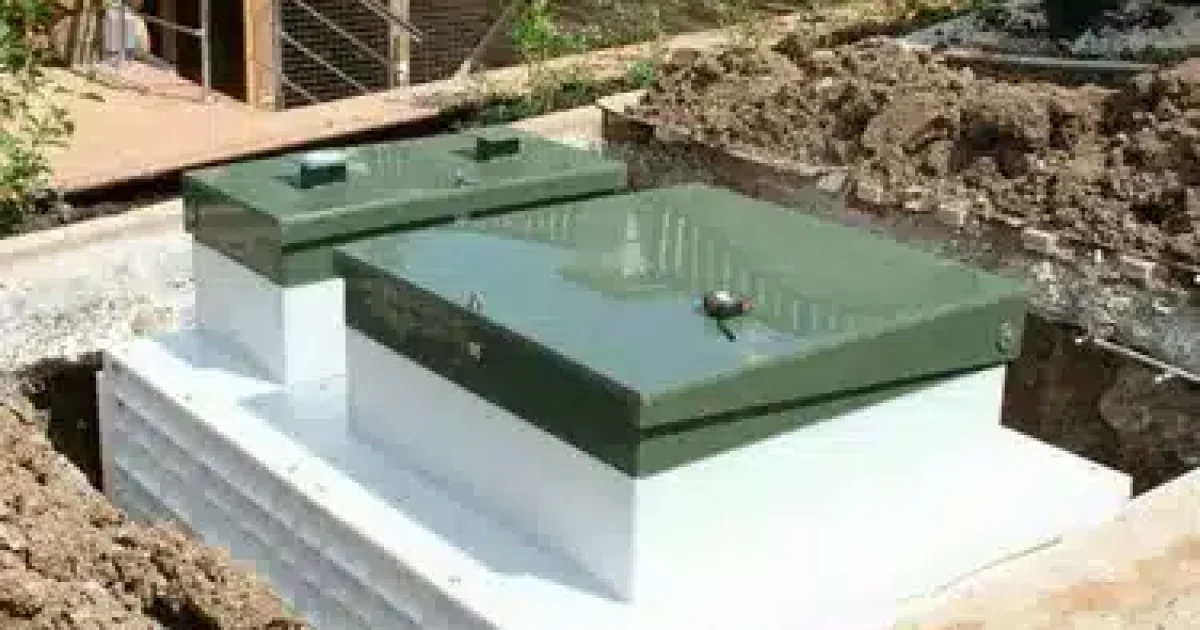
In today’s world, where space optimisation and resource efficiency are more important than ever, homeowners and businesses are constantly looking for smarter solutions. One such solution gaining popularity is the below-ground tank system. Whether you’re aiming to store water, fuel, or other liquids, underground tanks offer a practical, space-saving, and environmentally friendly option.
This comprehensive guide explores how below-ground tank systems work, their benefits, installation considerations, and why they might be the perfect solution for your needs.
A below-ground tank system—also known as an underground tank—is a storage container installed beneath the surface of the ground. These tanks are typically used for:
Rainwater harvesting
Fuel storage (diesel, oil, gasoline)
Wastewater or septic systems
Chemical or industrial liquid storage
Unlike above-ground tanks, underground systems remain hidden from view, making them ideal for properties where space and aesthetics matter.
One of the biggest advantages of an underground tank system is its ability to save valuable surface space. This is especially beneficial in urban environments or smaller properties where every square metre counts.
Instead of dedicating outdoor space to bulky storage tanks, you can utilise that area for landscaping, parking, or additional structures.
Above-ground tanks can disrupt the visual appeal of your property. Below-ground tanks, on the other hand, are completely hidden, preserving the natural look of your surroundings.
This makes them particularly popular for:
Below ground tank systems help improve operational efficiency in several ways:
Temperature stability: Underground conditions maintain a more consistent temperature, reducing evaporation and preserving stored liquids.
Reduced energy use: Less need for insulation or cooling systems.
Since underground tanks don’t take up visible space, you can install larger capacity systems without affecting usability above ground.
This is ideal for:
Underground tanks can contribute to sustainability efforts:
Rainwater harvesting systems reduce dependence on municipal water supplies
Lower risk of contamination when properly installed
Reduced visual pollution
Storing hazardous materials underground can enhance safety:
Reduced exposure to fire hazards
Protection from vandalism or accidental damage
Lower risk of spills affecting surrounding areas
Homeowners commonly install underground tanks for:
This is especially useful in regions prone to water shortages.
Businesses rely on underground tank systems for:
These systems help maintain compliance with safety and environmental regulations.
Farmers use below-ground tanks to store:
This ensures a steady supply of essential resources throughout the year.
Installing a below ground tank system involves several critical steps.
Before installation, professionals evaluate:
This ensures the tank is installed safely and efficiently.
A hole is dug to accommodate the tank. The size depends on:
The tank is carefully positioned and secured to prevent shifting or floating, especially in areas with high groundwater levels.
Once installed:
Check for:
Periodic cleaning ensures:
Modern tanks often include monitoring systems that track:
While underground tank systems may have a higher upfront cost compared to above-ground options, they often provide long-term savings through:
Factors affecting cost include:
Underground systems require professional installation, which can be time-consuming and costly.
Since the tank is buried, accessing it for repairs or upgrades can be more challenging.
Local regulations may dictate:
Tank type
Installation depth
Safety measures
Always check with local authorities before installation
When selecting a system, consider:
Estimate how much liquid you need to store daily or monthly.
Choose based on:
Intended use
Budget
Environmental conditions
Ensure the installation site:
Has proper drainage
Is بعيد from heavy structures
Meets safety regulations
The industry is evolving with advancements such as:
Smart monitoring systems
Eco-friendly materials
Integrated water recycling solutions
These innovations make below-ground tank systems even more efficient and sustainable.
A below-ground tank system is a smart investment for anyone looking to save space, improve efficiency, and enhance sustainability. Whether for residential, commercial, or agricultural use, these systems offer numerous advantages—from better aesthetics to increased safety and environmental benefits.
A below-ground tank system is a storage solution installed beneath the surface of the ground to store liquids such as water, fuel, or wastewater. These systems are commonly used for rainwater harvesting, underground water storage, and industrial applications due to their space-saving and discreet design.
The lifespan of an underground tank system depends on the material used:
Plastic (polyethylene): 15–25 years
Steel tanks: 20–30 years (with proper corrosion protection)
Concrete tanks: 30–50+ years
Regular maintenance and proper installation can significantly extend the life of your tank
Yes, below-ground tanks are generally very safe when installed and maintained correctly. They offer:
Protection from external damage
Reduced fire risk (for fuel storage)
Lower chances of contamination
However, regular inspections are essential to ensure safety and compliance with local regulations.
A below-ground tank system can store a wide range of liquids, including:
Rainwater and potable water
Fuel (diesel, gasoline, heating oil)
Wastewater and sewage
Chemicals (in industrial settings)
The type of tank material should match the liquid being stored.
The initial cost of underground tank installation can be higher than above-ground systems due to excavation and labor. However, it often proves cost-effective in the long run because of:
Lower maintenance costs
Better durability
Improved space utilization
In most regions, permits and approvals are required for installing an underground tank system. Regulations may vary depending on:
Tank size
Usage (water, fuel, wastewater)
Environmental impact
It’s important to check local building codes and environmental guidelines before installation.