
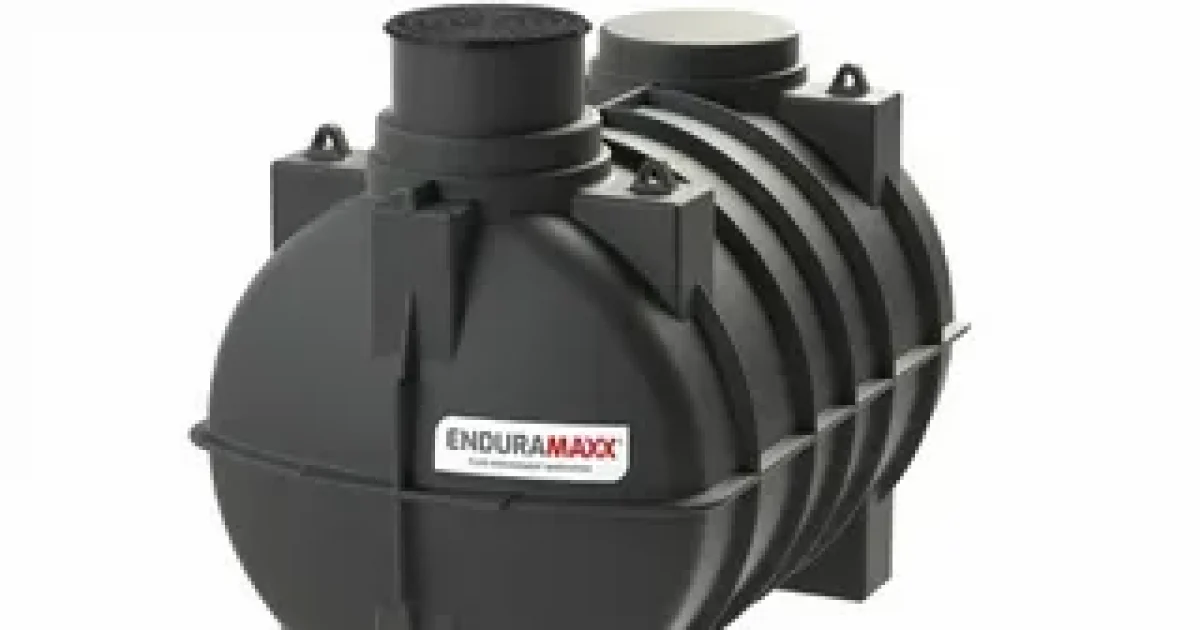
Installing a below ground tank Cost in NZ is a smart investment for many New Zealand homeowners. Whether you’re collecting rainwater, managing stormwater, or securing a reliable water supply for rural living, underground tanks offer a clean look and long-term practicality.
But the big question most people ask first is simple: how much does it actually cost?
The answer depends on several factors — tank size, material, site conditions, and local council requirements. In this guide, we’ll break everything down in plain language so you can budget confidently and avoid surprises.
Before talking about numbers, it helps to understand why many Kiwis prefer underground tanks. They save space and keep your yard uncluttered. They protect water from sunlight, reducing algae growth. Below Ground Tank, They’re less exposed to weather damage. They increase property appeal in urban areas. In cities like Auckland and Wellington, where space is limited, underground systems are becoming increasingly popular. In rural regions near Christchurch, they’re often used for full household supply.
The price of the tank itself varies depending on size and material.
5,000L – 10,000L tank: $3,000 – $6,000
15,000L – 25,000L tank: $6,000 – $12,000
30,000L+ tank: $12,000 – $20,000+
Concrete tanks usually cost more than polyethylene (plastic) tanks, but they are extremely durable and ideal for large-capacity storage.
Installation is where costs increase significantly because underground systems require excavation and preparation.
Typical installation expenses include:
Excavation and dig-out: $2,000 – $6,000
Base preparation (sand or concrete pad): $800 – $2,500
Plumbing connections: $1,500 – $4,000
Pump system and electrics: $1,500 – $5,000
Backfilling and compaction: $1,000 – $3,000
For most residential properties in New Zealand, the fully installed cost falls between: $10,000 and $25,000. Larger rural systems can exceed $30,000, especially if additional filtration or long pipe runs are required.
No two properties are exactly the same. Several factors can influence what you’ll end up paying.
Rocky soil, clay, or sloping sections increase excavation difficulty. If heavy machinery struggles to access the site, labour costs rise.
Polyethylene: Lightweight, generally more affordable
Concrete: Stronger, long lifespan, higher upfront cost
Fibreglass: Durable and corrosion-resistant, mid-to-high range pricing
Larger tanks require deeper excavation and more structural support. Rural homes relying solely on rainwater often need 25,000L or more.
Some local councils require building consent, engineering approval, or stormwater management compliance. These approvals may add application and inspection fees.
Prices can vary significantly between contractors. Always compare at least three quotes.
Installing a just tanks during home construction is usually cheaper than retrofitting an existing property. Excavation equipment is already on-site, reducing labour duplication.
Bigger isn’t always better. Oversizing increases cost unnecessarily. A professional can calculate the ideal capacity based on roof area and rainfall data.
Clear access for machinery reduces excavation Below Ground Tank time and labour expenses.
A properly installed tank can last: Polyethylene: 20–30 years, Concrete: 40–60 years or more. Longevity depends on soil conditions, installation quality, and maintenance.
The cost of installing a below ground tank Cost in New Zealand typically ranges from, depending on size and site conditions. While the upfront investment is higher than above-ground options, many homeowners find the long-term benefits worthwhile.
Most residential installations take 2 to 5 days, depending on weather, soil conditions, and system complexity. Larger tanks or difficult excavation sites may take longer. If council inspections are required, that can also extend the timeline.
Below ground tanks are designed with an overflow outlet. Excess water is usually directed into:
A stormwater drain. A soak pit
A designated drainage area on your property
Proper overflow planning is important to prevent flooding or soil erosion around the tank.
Yes, but space and access for excavation machinery are key considerations. On tighter sites, installers may use smaller equipment or compact tank designs. A site inspection will determine whether installation is practical and cost-effective for your property.