
Water is one of the most critical resources for farming in New Zealand. Whether you run a dairy farm, lifestyle block, or large-scale agricultural operation, having a reliable water storage system is essential. This is where agri tanks in New Zealand play a vital role.
From storing rainwater to ensuring a consistent supply during dry seasons, agri tanks help farmers maintain productivity and sustainability. In this guide, we’ll explore the best agri tank options in NZ, how to choose the right one, and what factors to consider before buying.
New Zealand’s climate can be unpredictable, with periods of heavy rainfall followed by dry spells. Agri tanks provide a dependable solution by storing water when it’s abundant for use when it’s scarce.
For dairy farms, in particular, water demand is high. Cows require large amounts of water daily, making efficient storage crucial.
Choosing the right type of tank depends on your farm size, water usage, and budget.
These are among the most popular options in NZ.
Advantages:
Best for: Small to medium farms and lifestyle properties
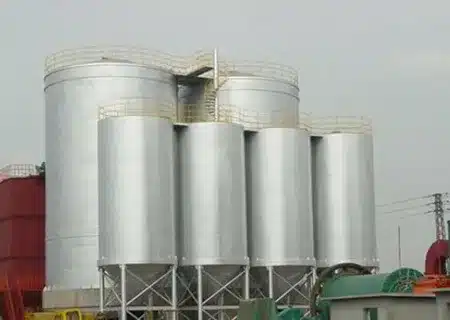
Steel tanks are known for their strength and longevity.
Advantages:
Best for: Large dairy farms and commercial operations
Installed below ground, these tanks save space and maintain water temperature.
Advantages:
Best for: Farms with limited surface space
Flexible and portable, bladder tanks are ideal for temporary use.
Advantages:
Selecting the right tank involves more than just picking a size. Here are key factors to consider:
Dairy farms typically require 70–100 litres per cow per day. Calculate your total daily water usage before choosing a tank.
Consider where the tank will be installed:
NZ’s varying climate means your tank should withstand:
| Feature | Plastic Tanks | Steel Tanks |
|---|---|---|
| Cost | Lower | Higher |
| Durability | Moderate | High |
| Maintenance | Low | Moderate |
| Installation | आसान | More complex |
Conclusion:
Agri tanks in NZ come in various sizes to suit different farming needs.
The price of Agri Tanks in New Zealand varies depending on size, material, and installation.
Small plastic tanks: $1,000 – $3,000 NZD
Medium tanks: $3,000 – $10,000 NZD
Large steel tanks: $10,000+ NZD
Proper installation ensures your tank performs efficiently for years.
Place on a stable, level base
Ensure proper drainage
Install near collection points
Clean tanks annually
Rainwater harvesting is becoming increasingly popular in New Zealand agriculture.
Reduces water bills
Provides eco-friendly water supply
Improves farm resilience during droughts
By combining agri tanks with a rainwater collection system, farmers can maximize efficiency and sustainability.
Before making a purchase, keep these tips in mind:
Always compare suppliers and warranties
Choose NZ-compliant tanks
Consider future expansion needs
Invest in quality over the lowest price
Agri tanks are a smart investment for any rural or dairy farm in New Zealand. They provide a reliable water supply, improve efficiency, and support sustainable farming practices.
Whether you choose plastic, steel, or underground tanks, the key is selecting the right size and material for your needs. With proper planning and maintenance, a high-quality agri tank can serve your farm for decades.
Agri tanks in New Zealand are primarily used for storing water for farming purposes, including livestock drinking water, irrigation, dairy shed cleaning, and rainwater harvesting. They help ensure a reliable water supply during dry periods.
The size depends on your herd and water usage. On average, a dairy cow requires 70–100 litres of water per day. For example:
100 cows = 7,000–10,000 litres per day
Most NZ dairy farms use tanks ranging from 30,000 to 100,000+ litres for sufficient backup.
Agri tank prices in NZ vary based on size and material:
Small tanks: $1,000 – $3,000 NZD
Medium tanks: $3,000 – $10,000 NZD
Large tanks: $10,000+ NZD
Additional costs may include delivery, installation, and accessories like pumps and filters.
Both have advantages:
Plastic tanks: Affordable, lightweight, and easy to install
Steel tanks: More durable and suitable for large-scale storage
For most small to medium farms in NZ, plastic tanks are a popular choice, while steel tanks are preferred for larger operations.