
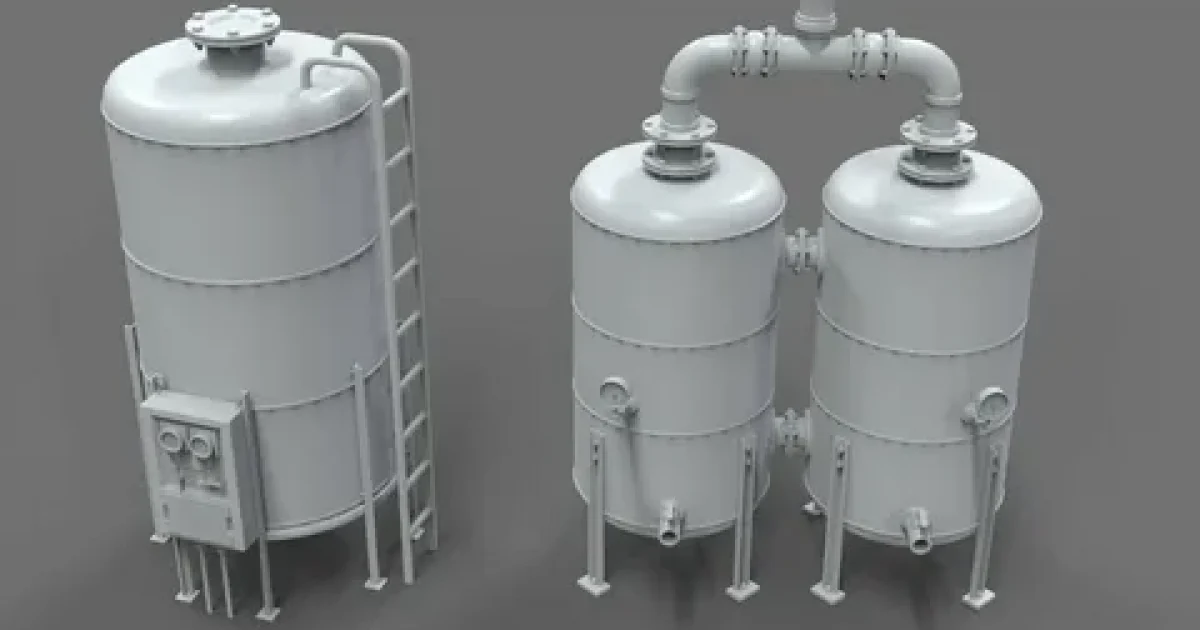
Industrial tanks play an important role in storing, processing, mixing, and transporting liquids, chemicals, gases, oils, water, and other materials used across different industries. From manufacturing plants to agriculture, food processing, chemical production, and wastewater treatment facilities, these tanks help businesses manage materials safely and efficiently.
Choosing the right industrial tank is not just about size. It also depends on the material being stored, temperature requirements, pressure conditions, installation location, durability, and industry safety standards. In this guide, we will explain the main types of industrial tanks, their common uses, key benefits, and how to select the best tank for your business needs.
Industrial tanks are large storage or processing containers designed for commercial and industrial applications. They are used to hold liquids, powders, chemicals, fuel, water, oil, food-grade materials, and other substances.
Unlike regular storage containers, industrial storage tanks are built to handle demanding environments. They may need to resist corrosion, pressure, extreme temperatures, chemical reactions, or heavy-duty outdoor conditions.
Industrial tanks are commonly made from materials such as stainless steel, carbon steel, fiberglass, plastic, concrete, or polyethylene, depending on the application.
Industrial tanks help businesses store and manage materials in a safe, organized, and cost-effective way. Without proper storage solutions, companies may face product loss, contamination, workplace hazards, environmental issues, and operational delays.
A well-designed tank system can improve production flow, reduce waste, protect valuable materials, and support compliance with safety regulations.
Different industries require different tank designs. The right tank depends on what you need to store, where the tank will be installed, and how it will be used.
Storage tanks are among the most common industrial tanks. They are used to store liquids, chemicals, fuel, water, oils, and other materials for short-term or long-term use.
Storage tanks are used in:
These tanks can be installed above ground or underground depending on space, safety, and environmental requirements.
Stainless steel tanks are widely used because they are strong, durable, hygienic, and resistant to corrosion. They are especially popular in industries where cleanliness and product purity are important.
Stainless steel industrial tanks are commonly used in:
These tanks are ideal for storing liquids that require sanitary conditions.
Chemical storage tanks are designed to safely store acids, solvents, alkalis, and other industrial chemicals. These tanks must be compatible with the chemical being stored to prevent leaks, corrosion, or dangerous reactions.
A good chemical tank should offer:
Chemical tanks may be made from plastic, fiberglass, stainless steel, or lined steel depending on the chemical type.
Fuel storage tanks are used for storing diesel, petrol, gasoline, kerosene, and other fuel products. These tanks are essential for industries that depend on backup power, transportation, machinery, or fuel distribution.
Fuel tanks are used in:
Fuel storage tanks must be designed with safety features to reduce fire risk, leakage, and environmental contamination.
Water storage tanks are used in both industrial and commercial settings. They store water for production, cooling, cleaning, fire protection, irrigation, and emergency supply.
Common water tank options include:
The best choice depends on water volume, site conditions, budget, and maintenance needs.
Pressure tanks are designed to store liquids or gases under pressure. They are used in systems where pressure control is necessary for operation.
Pressure tanks are commonly found in:
These tanks must be built according to strict safety standards because they operate under pressure.
Mixing tanks are used to combine, blend, or process different materials. They often include agitators, mixers, heating systems, cooling jackets, or special coatings.
Mixing tanks are used for:
They help maintain consistency, quality, and efficiency in production.
Fiberglass tanks are lightweight, corrosion-resistant, and suitable for outdoor or chemical storage applications. They are often used where metal tanks may rust or react with stored materials.
Fiberglass industrial tanks offer:
They are commonly used in wastewater treatment, chemical storage, and water storage systems.
Plastic industrial tanks are cost-effective, lightweight, and resistant to many chemicals. Polyethylene tanks are commonly used for water, fertilizers, mild chemicals, and agricultural liquids.
Plastic tanks are suitable for:
They are easy to install and require less maintenance than many metal tanks.
Industrial tanks are used across many sectors. Their purpose can vary from simple storage to advanced processing.
In chemical plants, tanks are used to store raw materials, finished products, acids, solvents, and processing liquids. Chemical tanks must be carefully selected to match the properties of the stored material.
Food-grade tanks are used for milk, juices, oils, syrups, sauces, and other edible products. Stainless steel tanks are preferred because they are easy to clean and maintain hygiene.
Industrial tanks are used to store crude oil, refined fuel, lubricants, and other petroleum products. These tanks must meet safety and environmental standards.
Farmers and agricultural businesses use tanks for water, fertilizers, pesticides, fuel, and animal feed liquids. Plastic and fiberglass tanks are common in this sector.
Water treatment plants use tanks for clean water storage, chemical dosing, sedimentation, filtration, and wastewater processing.
Manufacturing facilities use tanks for storing raw materials, cooling water, chemicals, oils, and production liquids.
Choosing the right industrial tank can bring several practical advantages to your business.
Industrial tanks are designed to store materials safely and reduce the risk of leaks, spills, contamination, and accidents.
With proper storage systems, businesses can keep materials readily available, improve workflow, and reduce production delays.
A durable tank may reduce replacement costs, material loss, and maintenance expenses over time.
Food-grade and chemical-resistant tanks help protect stored materials from contamination, rust, and external pollutants.
Industrial tanks are available in vertical, horizontal, underground, and custom designs, allowing businesses to use available space more efficiently.
From water and fuel to chemicals and food products, industrial tanks can be customized for many storage needs.
Properly designed tanks help prevent leaks and spills that could damage soil, water, and surrounding areas.
The tank material is one of the most important factors to consider. Each material has its own strengths and limitations.
Stainless steel is durable, hygienic, and corrosion-resistant. It is commonly used in food, pharmaceutical, beverage, and chemical industries.
Carbon steel is strong and suitable for fuel, oil, and heavy-duty industrial storage. It may require coatings or linings to prevent corrosion.
Fiberglass is lightweight and resistant to corrosion. It is often used for chemicals, water, and wastewater applications.
Polyethylene tanks are affordable, lightweight, and suitable for water, fertilizers, and many mild chemicals.
Concrete tanks are strong and often used for large water storage, wastewater treatment, and underground applications.
Selecting the best industrial tank requires careful planning. A wrong choice can lead to safety issues, higher maintenance costs, or poor performance.
Start by understanding what the tank will hold. Water, chemicals, fuel, food products, and gases all require different tank materials and designs.
For chemical storage, make sure the tank material can safely handle the chemical. Some chemicals can corrode metal, weaken plastic, or react with certain linings.
Tank size should match your storage needs. Consider your daily usage, future growth, delivery schedules, and available space before choosing capacity.
Above-ground tanks are easier to inspect and maintain. Underground tanks save space and protect contents from weather, but they may require more careful installation and monitoring.
Some materials need heating, cooling, insulation, or pressure control. Choose a tank that can handle the required operating conditions.
Industrial tanks should meet relevant safety, quality, and environmental standards. This is especially important for fuel, chemicals, food-grade products, and pressure vessels.
Choose a tank that is easy to inspect, clean, repair, and maintain. Regular maintenance helps extend service life and reduce downtime.
A trusted industrial tank supplier can help you select the right design, material, size, and accessories for your application.
Industrial tanks often require additional components to improve safety and performance.
These may include:
The right accessories depend on how the tank will be used.
Regular maintenance is essential for safety, performance, and long service life.
Check for leaks, cracks, rust, dents, corrosion, and damaged fittings.
Cleaning prevents contamination, buildup, and product quality issues. Food and chemical tanks may need special cleaning procedures.
Leaks often occur around valves, joints, and connections. Inspect these areas frequently.
Metal tanks may need coatings, linings, or cathodic protection depending on the environment and stored material.
Maintain inspection, cleaning, repair, and maintenance records. This helps with safety compliance and future planning.
Buying an industrial tank without proper planning can lead to costly problems.
A tank that is not compatible with the stored substance may fail quickly or create safety risks.
Buying a tank that is too small may result in frequent refilling, production delays, or early replacement.
Site preparation, foundation, access, drainage, and safety clearance should be considered before installation.
A tank should be easy to inspect, clean, and repair.
The cheapest tank may not always offer the best long-term value. Durability, safety, and suitability matter more.
Before purchasing an industrial tank, review the following factors:
Decide whether the tank is for storage, mixing, processing, pressure control, water supply, fuel storage, or chemical handling.
Choose a material based on the liquid or substance being stored, environmental exposure, hygiene requirements, and corrosion resistance.
Select a capacity that supports current operations and allows room for future demand.
Consider whether the tank will be indoors, outdoors, underground, elevated, or installed in a restricted space.
Look for features such as vents, overflow protection, leak detection, pressure relief systems, and secondary containment where needed.
Some businesses need custom tank dimensions, coatings, fittings, insulation, mixers, or heating systems.
Choose a supplier or manufacturer with experience in your industry. A knowledgeable supplier can help prevent costly selection mistakes.
Industrial tanks are essential for safe and efficient storage, processing, and handling of liquids and other materials across many industries. Whether you need a tank for water, chemicals, fuel, food products, or wastewater, choosing the right design and material is important for long-term performance.
Industrial tanks are used to store, process, mix, and transport materials such as water, chemicals, fuel, oil, food products, gases, and wastewater.
The best material depends on the application. Stainless steel is ideal for food-grade and hygienic uses; polyethylene is good for water and mild chemicals; fibreglass works well for corrosion resistance; and carbon steel is often used for fuel and oil storage.
The lifespan of an industrial tank depends on its material, maintenance, stored contents, and operating environment. A properly selected and maintained tank can last for many years.
Yes, many industrial tanks can be customized with specific sizes, coatings, fittings, mixers, insulation, heating systems, and safety accessories.
You should check the tank material, capacity, chemical compatibility, installation location, safety requirements, maintenance needs, and supplier reliability.